Dead Sleep

Metal
Thrash Metal
 Viberate Rank: 656365
 Viberate Rank: 656365
 Monthly ListenersFollowers
 Subscribers
 Followers
 Followers
 FansTop Spotify Songs
| Track | 7-Day Streams | |
|---|---|---|
1 | 43 | |
2 | 10 | |
3 | 8 | |
4 | 5 | |
5 | 4 |
Top YouTube VideosMonthly ListenersFeatured in Playlists| Playlist | Followers | |
|---|---|---|
1 | Thrash Metal Up Your Ass Germonio | 6.86K |
2 | Thrash Daniel Höld | 4.50K |
3 |  New Wave Of Thrash Metal Andrew Saalmann | 4.41K |
4 | New Thrash Metal thrashguitars | 2.87K |
5 | ROCKPODDEN <10000 Henke Brannerydh | 1.54K |
Audience| City | Monthly Listeners | |
|---|---|---|
1 | | 7 |
2 |  | 4 |
3 | | 4 |
4 |  | 4 |
5 | | 4 |
See full performance history, audience data, playlist activity, rankings, comparisons, and more in Viberate music analytics. Start with a free trial, then continue with a paid plan.
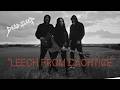
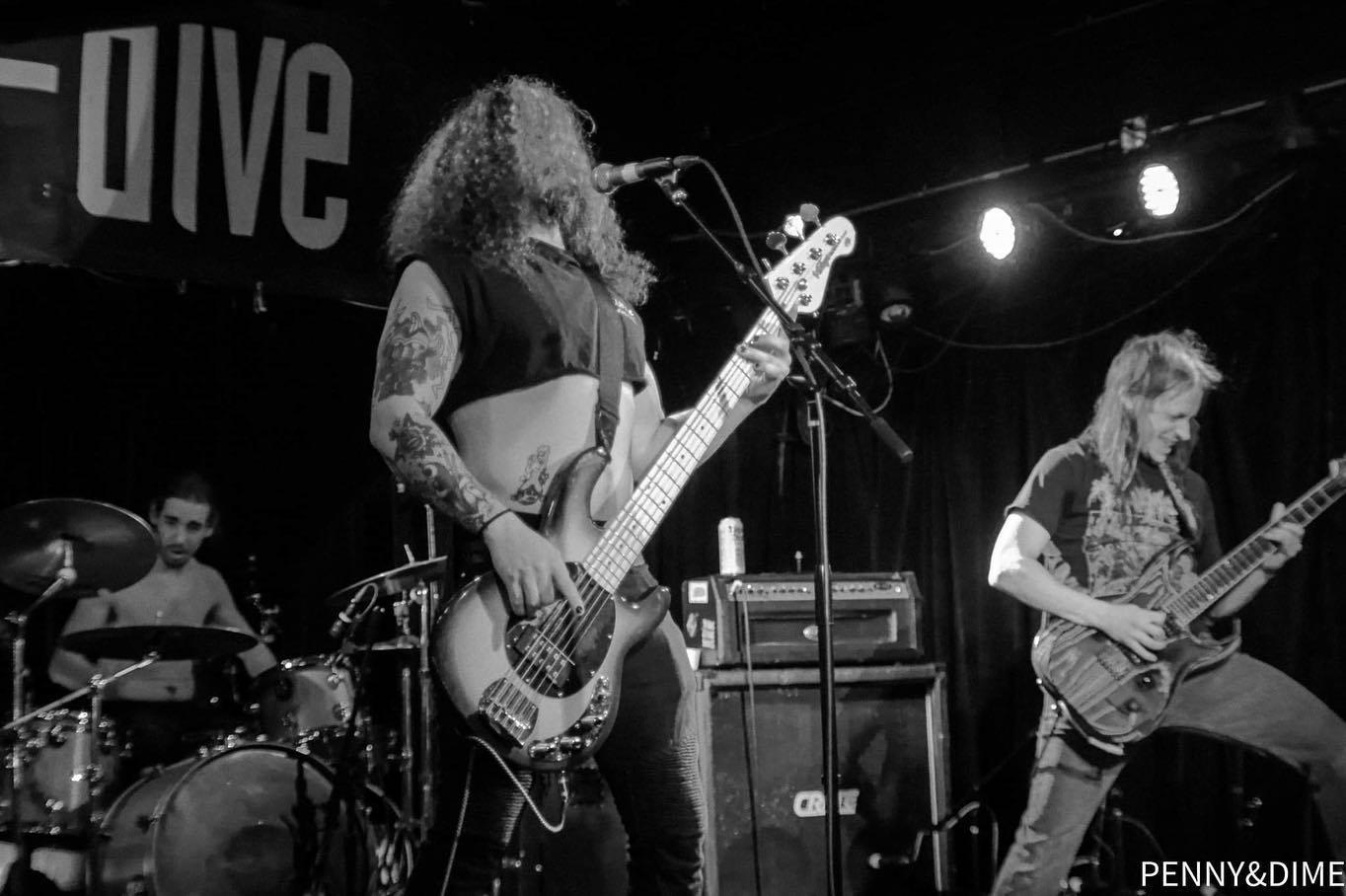
Dead Sleep’s Spotify BioDead Sleep proudly defies easy categorization. We sound like Dead Sleep! With a blend of metal influences from across the ages, our sound is predominantly old school and raw. Breaking rules we did not know of with our mostly non-metal backgrounds. Above all we love playing live, loud and chaotic.
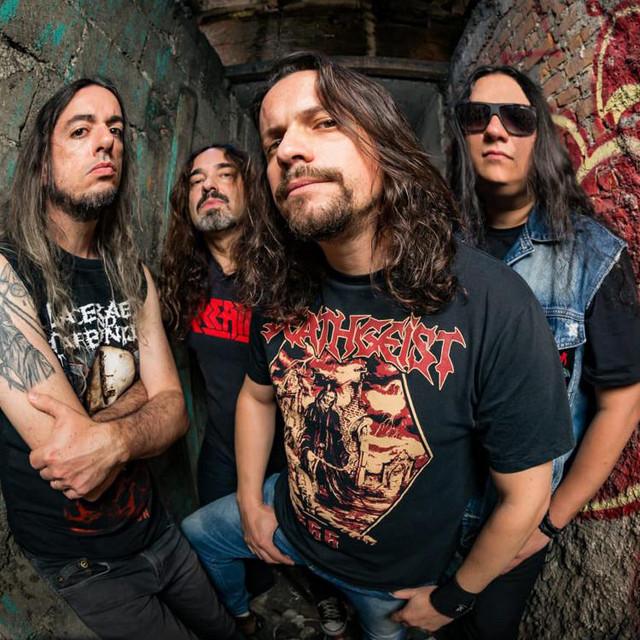
Marcus was in his past life ”Marcass” - the bass synth player in surfsynthkraut band Quit your dayob, and he started the band some ten tears ago. Marcus wanted to embody the sound of the unbridled punk bands from the 80s and the early boundless creativity and raw energy of bay area thrash metal. But at the root, Black Sabbath, Iron Maiden and NWOBH is the backbone of the bands influences. More is more!
When Anna Wagner, from local punk/noise rock bands Pets or Food, Tampax and Serial Cynic, joined on bass and vocals, Dead Sleep began to become craftsmen of aggressive and loud metal!
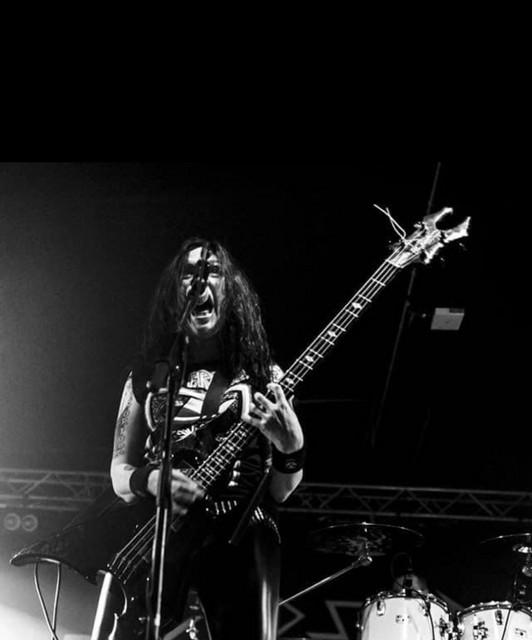
Together with past member guitarist Johan Salo (who left the band in 2024) and Per Olofsson, a classic double kick… ass drummer metalhead, Dead Sleep became complete. Today we are a trio, although we might at times be a quartet on stage. We do embody the true metal spirit by staying authentic to our own passion and unique craft.
Get ready to experience a gritty and loud metal assault, charging like a heavy freight train through the dark nights of the soul!
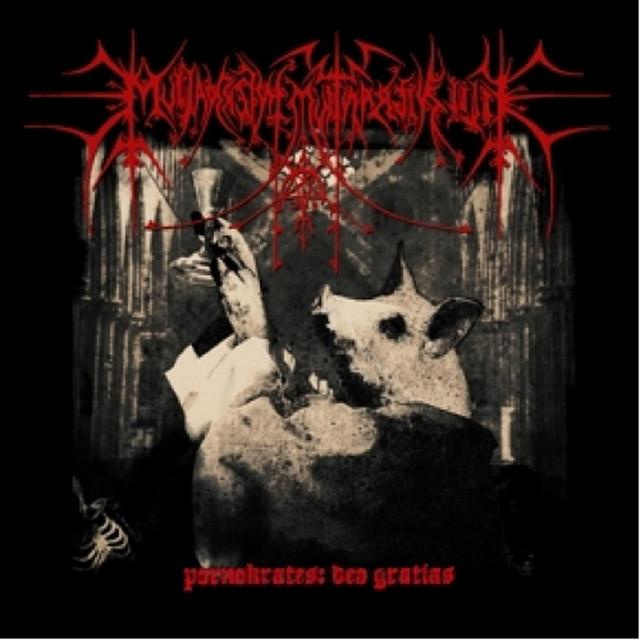
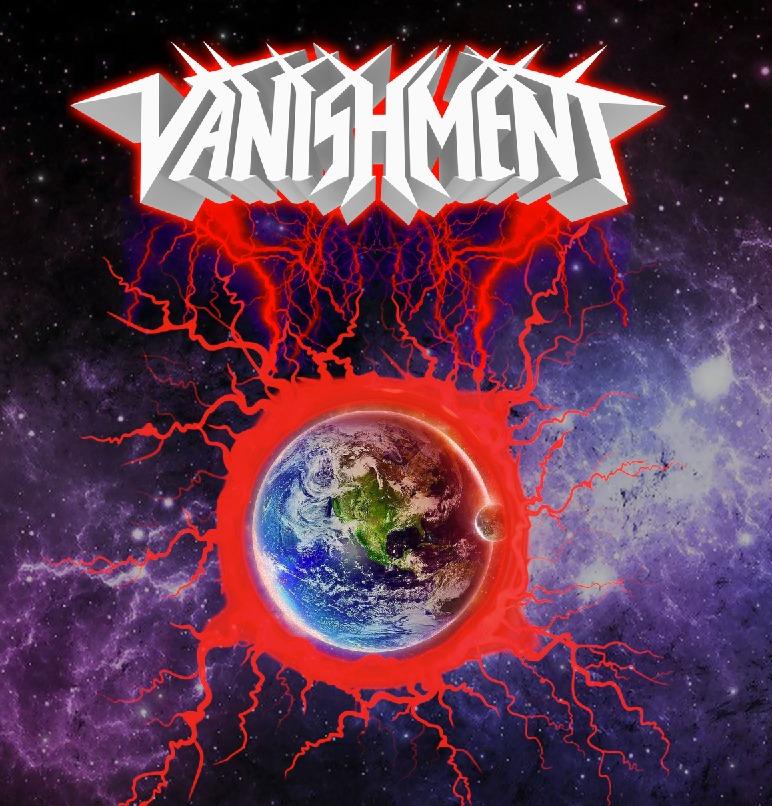
All album releases are accompanied by Malmö artist Bartosz Nalezinski’s cover art.
/Dead Sleep
Viberate is a music analytics platform built for A&Rs, artist managers, labels, booking agents, marketers, and artists.
It helps music professionals track artist growth, analyze audience data, monitor playlist activity, compare artists, follow song performance, and identify opportunities across the music market.
Public artist pages provide a free preview of selected artist data. Paid plans provide access to deeper analytics, historical data, charts, comparisons, playlist tools, exports, alerts, reports, and additional professional features.
Yes. Public Viberate artist pages provide selected artist analytics and music data for free.
Viberate also offers a 7-day free trial of the full platform. A credit card is required to start the trial. The trial includes access to the complete product so users can test deeper artist analytics, historical views, playlist insights, comparisons, charts, exports, alerts, and reporting features before choosing a paid plan.
Viberate provides artist analytics across streaming, playlists, social media, video, radio airplay, songs, and audience markets.
Users can analyze Spotify performance, Spotify and Apple Music playlists, YouTube activity, TikTok and Instagram growth, radio spins, song performance, audience locations, demographics, rankings, and overall artist momentum.
Artist profiles also connect to music charts, similar artists, and comparison tools, helping users benchmark performance and evaluate artists in context.
Viberate updates key artist and track data daily.
For followed artists and tracks, selected data is refreshed multiple times per day. This helps teams monitor playlist changes, streaming movement, audience growth, releases, and campaign performance with more current data.
Update frequency can vary depending on the metric and data source.
Yes. Viberate lets users compare up to five artists side by side across streaming, social media, audience, and engagement metrics.
Users can compare fanbase growth, audience demographics, locations, Spotify performance, social metrics, and other artist data over selected time periods.
Artist comparison can be used for A&R scouting, benchmarking, booking decisions, campaign planning, and evaluating artists with similar audiences or market positions.