Dead Meadow

Rock
Stoner Rock
Psychedelic Rock
 Viberate Rank: 91636
 Viberate Rank: 91636
 Monthly ListenersFollowers
 Subscribers
 Followers
 Followers
 FansTop Spotify Songs
| Track | 7-Day Streams | |
|---|---|---|
1 | 7.33K | |
2 | 5.42K | |
3 | 4.14K | |
4 | 2.35K | |
5 | 1.35K |
Top YouTube VideosMonthly ListenersFeatured in Playlists| Playlist | Followers | |
|---|---|---|
1 |  Indie Music Worldwide - Multi-Genre Megamix indiemusicpromo | 55.10K |
2 |  Stoner Rock & Psychedelic Space Rock StonerRock.Space | 36.07K |
3 |  🎵 Resurrection Fest EG 2027 (Official) 🔥 Resurrection Fest | 26.92K |
4 |  Stoner Rock A-Z boogievan | 24.16K |
5 |  Psychedelic / Stoner / Desert Rock 🍄 Jaimy | 20.24K |
Audience| City | Monthly Listeners | |
|---|---|---|
1 | | 695 |
2 | | 582 |
3 |  | 563 |
4 | | 554 |
5 | | 544 |
See full performance history, audience data, playlist activity, rankings, comparisons, and more in Viberate music analytics. Start with a free trial, then continue with a paid plan.
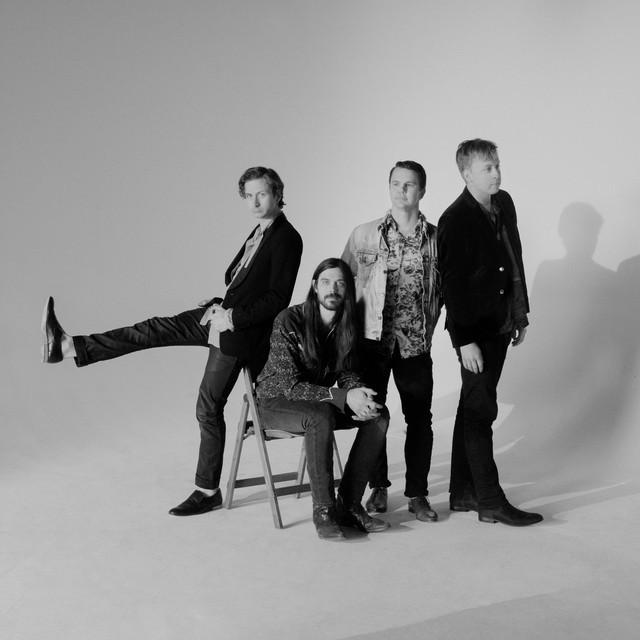
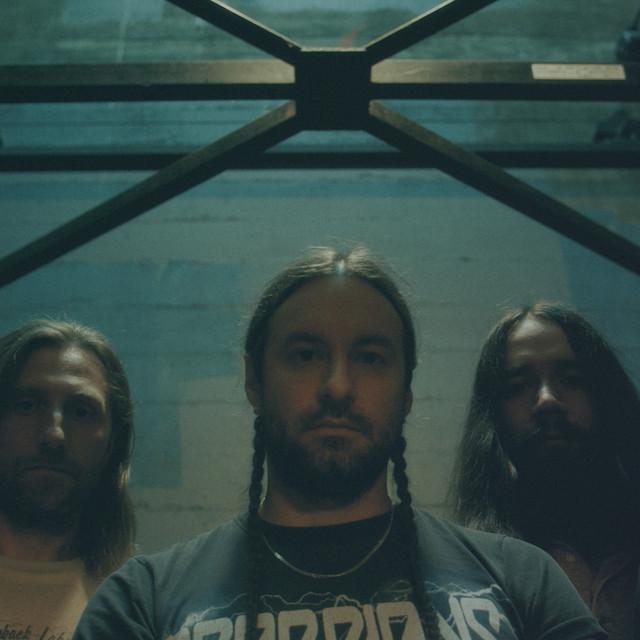
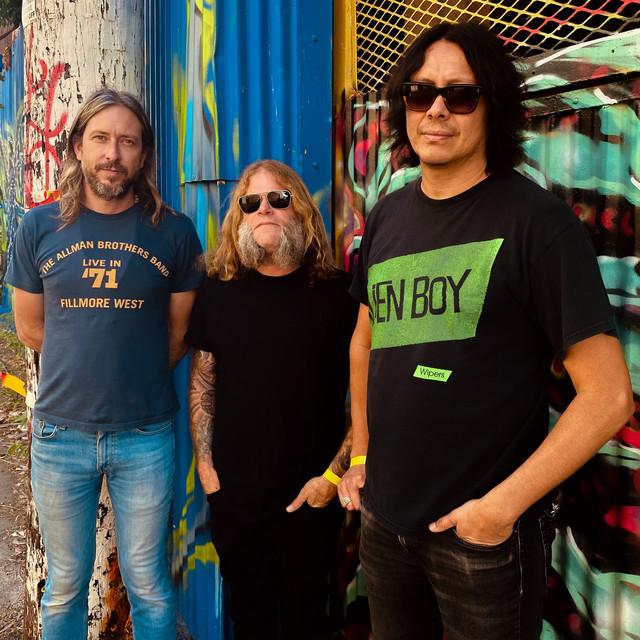
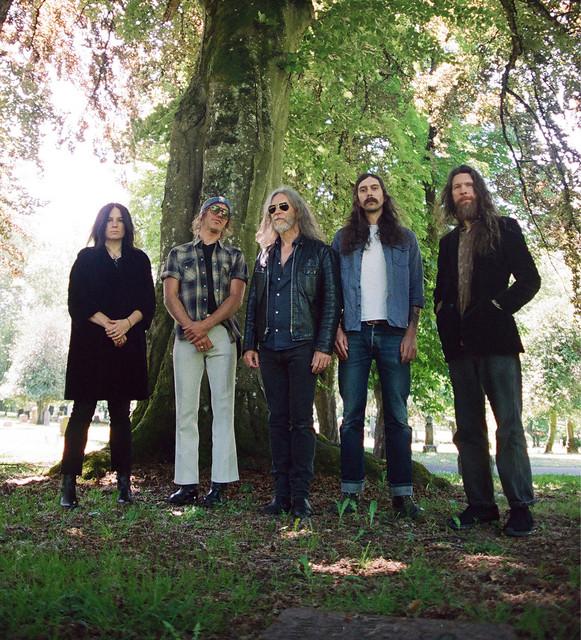
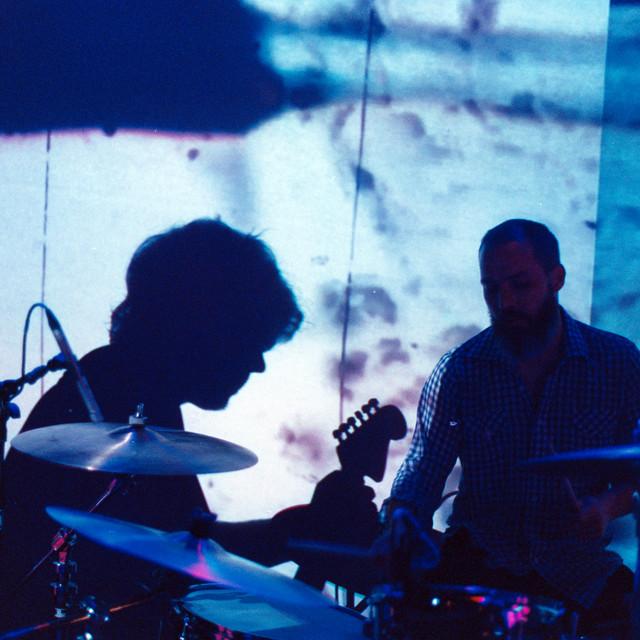
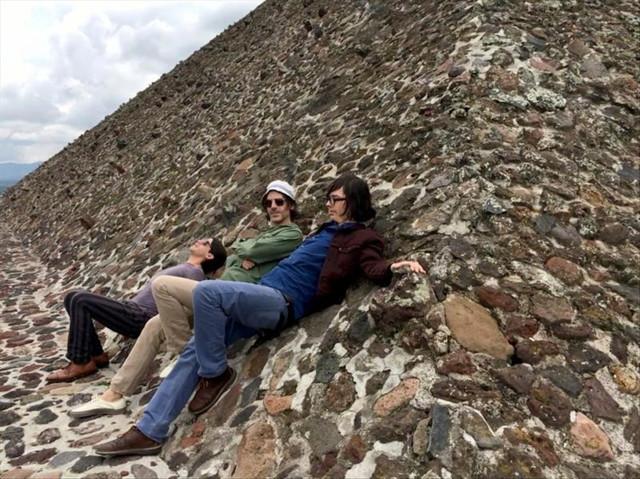
Dead Meadow’s Spotify BioDead Meadow's unique marriage of Tony Iommi riffs, dreamy layers of guitar-fuzz bliss, and singer Jason Simon's high-pitched melodic croon have won over psychedelic pop/rock and stoner rock fans alike, while elements of folk and pop would creep into their formula over time. Although the band's members met while attending all-ages shows in and around Washington, D.C.'s punk/indie scene, the trio draws more of its sound from such classic rock legends as Pink Floyd and Black Sabbath. Dead Meadow established their formula on their 2001 debut Dead Meadow, and they moved past their influences into a more mature sound on 2003's Shivering King and Others. The group's passion for psychedelia took center stage on 2013's Warble Womb, and they used jamming as a compositional tool for 2022's Force Form Free.
The trio formed in the fall of 1998 out of the ashes of local indie rock bands the Impossible 5 and Coulour, with singer/guitarist Simon, bassist Steve Kille, and drummer Mark Laughlin. The… three members set out to fuse their love of early-'70s hard rock and '60s psychedelia with their love of fantasy and horror writers J.R.R. Tolkien and H.P. Lovecraft.
They released their six-song debut album in 1999 on Fugazi bassist Joe Lally's Tolotta Records and a joint vinyl release on D.C. indie label Planaria Records. In 2001, the band released its second and third albums, Howls from the Hills and Dead Meadow, on Tolotta. Within a relatively short period, the D.C. trio received offers to tour with everyone from local D.C. hipsters the Make-Up to seedy psychedelic rockers Brian Jonestown Massacre; eventually, they landed the opening slot for high-profile indie veterans Guided by Voices. The group was also invited to record live for longtime cutting-edge British radio personality John Peel for BBC Radio 1. Got Live If You Want It! arrived in 2002; that year, the band lost Laughlin and found a new drummer in Stephen McCarty.
The band moved to Matador for 2003's breakthrough Shivering King and Others, one of their best-focused efforts to date. Cory Shane joined the band in time for 2005's Feathers, a more melodic set that turned up Dead Meadow's folk and psychedelic influences. The band embraced a harder attack on its fifth studio album, Old Growth, which followed in 2007. In 2010, Dead Meadow released Three Kings, a live album and concert film in the tradition of The Song Remains the Same. Later that same year, an Australian tour was announced that would include original drummer Mark Laughlin, eventually developing into a full-on reunion tour of the U.S. and Europe and Laughlin's official return to the band as 2011 began. The group spent a long, patient time self-producing and recording 2013's epic double-album-length release Warble Womb, the first Dead Meadow album made by the all-original lineup since 2001.
The reunion of the original lineup didn't last long, as Laughlin left the group, with Juan Londono taking over on drums. In 2017, Xemu Records released The Peel Sessions, a six-song set recorded in 2000 in Arlington, Virginia -- the only Peel Session to be recorded outside of the U.K. -- and originally issued as a limited-edition vinyl-only release. March 2018 saw the release of The Nothing They Need, a relatively contemplative set that gave the noisy but folky side of their personality a hearing. The stoner rock imprint Blues Funeral Records invited Dead Meadow to record an LP for their PostWax subscription series, and their contribution was 2022's Force Form Free, a collection of material drawn from in-studio jam sessions incorporating musical ideas from their past and their present. Bassist Steve Kille died on April 18, 2024. ~ Rick Kutner & Mark Deming, Rovi
Viberate is a music analytics platform built for A&Rs, artist managers, labels, booking agents, marketers, and artists.
It helps music professionals track artist growth, analyze audience data, monitor playlist activity, compare artists, follow song performance, and identify opportunities across the music market.
Public artist pages provide a free preview of selected artist data. Paid plans provide access to deeper analytics, historical data, charts, comparisons, playlist tools, exports, alerts, reports, and additional professional features.
Yes. Public Viberate artist pages provide selected artist analytics and music data for free.
Viberate also offers a 7-day free trial of the full platform. A credit card is required to start the trial. The trial includes access to the complete product so users can test deeper artist analytics, historical views, playlist insights, comparisons, charts, exports, alerts, and reporting features before choosing a paid plan.
Viberate provides artist analytics across streaming, playlists, social media, video, radio airplay, songs, and audience markets.
Users can analyze Spotify performance, Spotify and Apple Music playlists, YouTube activity, TikTok and Instagram growth, radio spins, song performance, audience locations, demographics, rankings, and overall artist momentum.
Artist profiles also connect to music charts, similar artists, and comparison tools, helping users benchmark performance and evaluate artists in context.
Viberate updates key artist and track data daily.
For followed artists and tracks, selected data is refreshed multiple times per day. This helps teams monitor playlist changes, streaming movement, audience growth, releases, and campaign performance with more current data.
Update frequency can vary depending on the metric and data source.
Yes. Viberate lets users compare up to five artists side by side across streaming, social media, audience, and engagement metrics.
Users can compare fanbase growth, audience demographics, locations, Spotify performance, social metrics, and other artist data over selected time periods.
Artist comparison can be used for A&R scouting, benchmarking, booking decisions, campaign planning, and evaluating artists with similar audiences or market positions.