Dead Lucid

Rock
Psychedelic Rock
Stoner Rock
 Viberate Rank: 607220
 Viberate Rank: 607220
 Monthly ListenersFollowers
 Subscribers
 Followers
 Followers
 FansTop Spotify Songs
| Track | 7-Day Streams | |
|---|---|---|
1 | 63 | |
2 | 16 | |
3 | 5 | |
4 | 4 | |
5 | 3 |
Top YouTube VideosMonthly ListenersFeatured in Playlists| Playlist | Followers | |
|---|---|---|
1 |  shoegaze joi! | 10.10K |
2 |  Blissful Beach Days Current Wavve | 7.42K |
3 |  Endless Mixtape for Open Minds Underrated Albums | 3.31K |
4 |  Stoner Rock Radio gfletch32 | 2.35K |
5 | Surf-Indie-Garage-Punk-Psycho-Shoegaze-Fuzz-Blues -> Novel Alternative Playlist Louie Louie Rama Lamadindon | 1.70K |
Audience| City | Monthly Listeners | |
|---|---|---|
1 |  | 30 |
2 |  | 4 |
3 | | 3 |
4 | | 3 |
5 | | 3 |
See full performance history, audience data, playlist activity, rankings, comparisons, and more in Viberate music analytics. Start with a free trial, then continue with a paid plan.
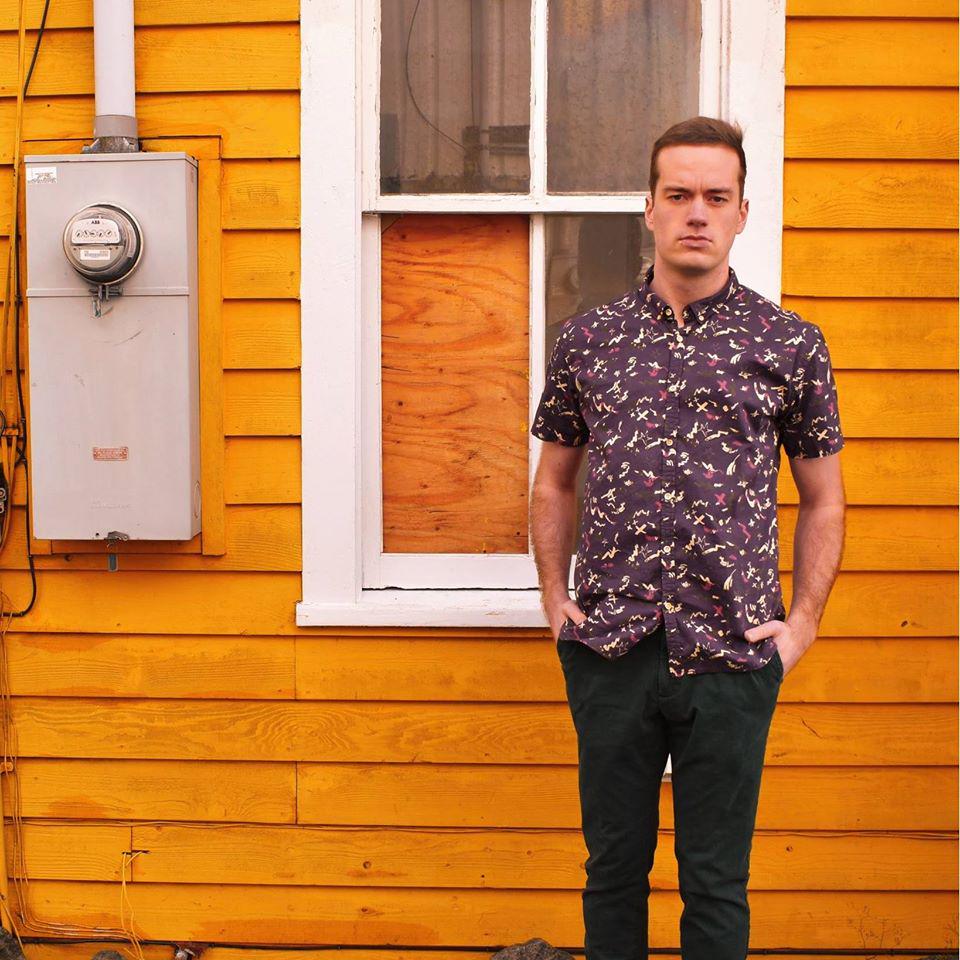
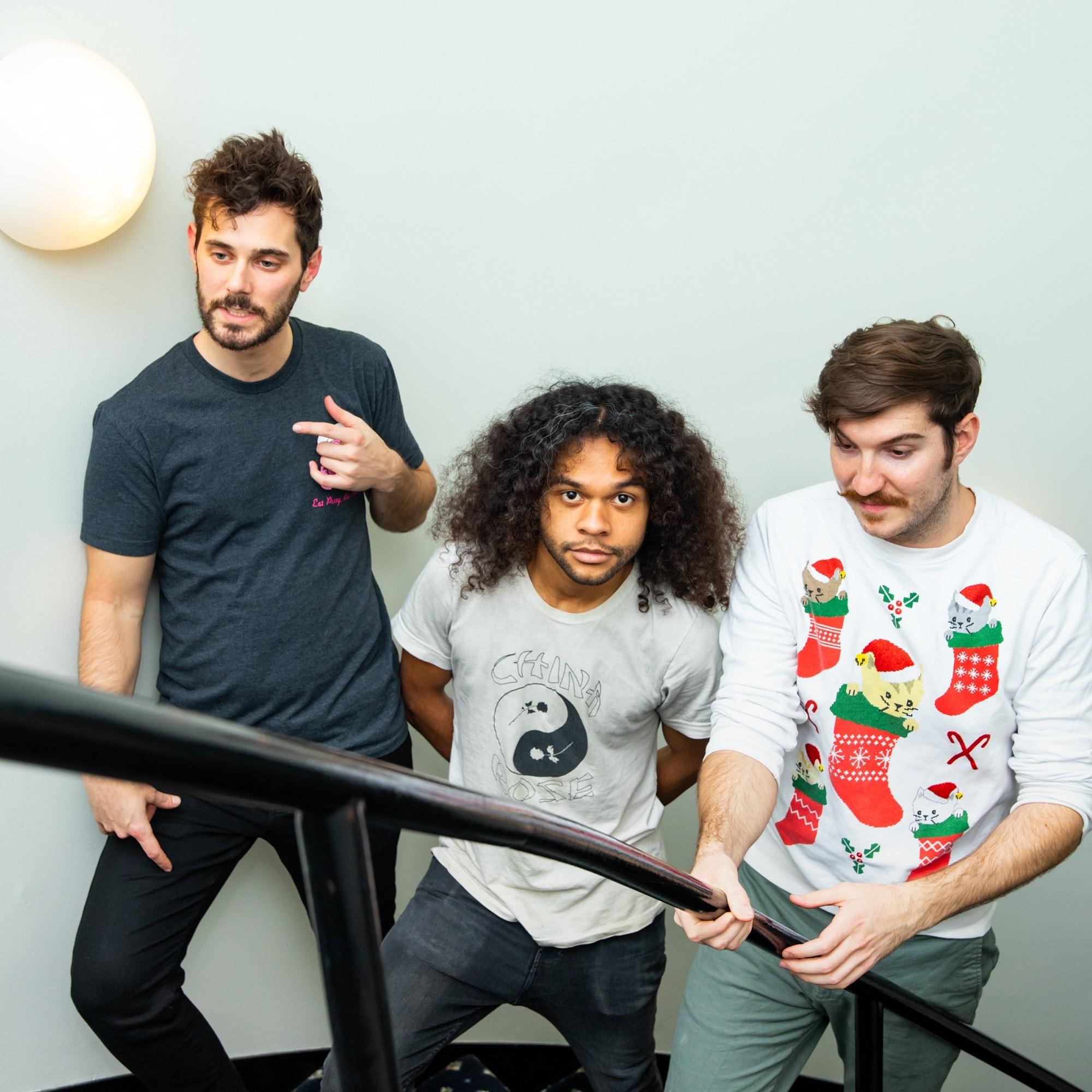
Dead Lucid’s Spotify BioPressure is a wild thing. It can crush and it can create. There are moments when we are forced into a corner, when we have to make a choice. Moments when we take a leap of faith – a decision to press forward with an impossible goal. DEAD LUCID has made the impossible an art. This is a band that, when passed over for opportunities, has learned to create their own. A band that formed only after booking their first gig – with only two weeks to create the songs they’d debut. One of those songs, ‘If You Don’t Mind’, continues to be a mesmerizing, unforgettable closer for their live gigs eight years later.
DEAD LUCID’s journey to finding their sound has been a trying one – wrought with lots of sweat, tears, and honesty. From their beginnings as a clear cut psych-rock band in the vein of Jimi Hendrix and early Tame Impala, to the dark and moody post-punk tracks influenced by the likes of Joy Division and Interpol on their second EP ‘Desolation’, to now seamlessly blending those influences into… a style all their own, a sound simultaneously at home with Fontaines D.C., Iggy Pop, Gang of Four, and The Strokes. On their third EP entitled ‘Vision’ we finally see it all come together for this Chicago band with endless potential.
Viberate is a music analytics platform built for A&Rs, artist managers, labels, booking agents, marketers, and artists.
It helps music professionals track artist growth, analyze audience data, monitor playlist activity, compare artists, follow song performance, and identify opportunities across the music market.
Public artist pages provide a free preview of selected artist data. Paid plans provide access to deeper analytics, historical data, charts, comparisons, playlist tools, exports, alerts, reports, and additional professional features.
Yes. Public Viberate artist pages provide selected artist analytics and music data for free.
Viberate also offers a 7-day free trial of the full platform. A credit card is required to start the trial. The trial includes access to the complete product so users can test deeper artist analytics, historical views, playlist insights, comparisons, charts, exports, alerts, and reporting features before choosing a paid plan.
Viberate provides artist analytics across streaming, playlists, social media, video, radio airplay, songs, and audience markets.
Users can analyze Spotify performance, Spotify and Apple Music playlists, YouTube activity, TikTok and Instagram growth, radio spins, song performance, audience locations, demographics, rankings, and overall artist momentum.
Artist profiles also connect to music charts, similar artists, and comparison tools, helping users benchmark performance and evaluate artists in context.
Viberate updates key artist and track data daily.
For followed artists and tracks, selected data is refreshed multiple times per day. This helps teams monitor playlist changes, streaming movement, audience growth, releases, and campaign performance with more current data.
Update frequency can vary depending on the metric and data source.
Yes. Viberate lets users compare up to five artists side by side across streaming, social media, audience, and engagement metrics.
Users can compare fanbase growth, audience demographics, locations, Spotify performance, social metrics, and other artist data over selected time periods.
Artist comparison can be used for A&R scouting, benchmarking, booking decisions, campaign planning, and evaluating artists with similar audiences or market positions.