Dead Like Juliet

Metal
Metalcore/Deathcore
 Viberate Rank: 203818
 Viberate Rank: 203818
 Monthly ListenersFollowers
 Subscribers
 Followers
 Followers
 FansTop Spotify Songs
| Track | 7-Day Streams | |
|---|---|---|
1 | 1.65K | |
2 | 926 | |
3 | 725 | |
4 | 549 | |
5 | 509 |
Top YouTube VideosMonthly ListenersFeatured in Playlists| Playlist | Followers | |
|---|---|---|
1 |  Metalcore / Screamo / Postcore / Hardcore Lorenzo Bondioni | 67.06K |
2 |  Agressive Heavy Metal🤘 Semih Özvatan | 57.69K |
3 | Pop goes punk vol 1-10 alexdrumsalot | 55.70K |
4 | Anime Rock Pascal Krämer | 45.09K |
5 |  ummm Kaitlyn Nicole Knight | 39.52K |
Audience| City | Monthly Listeners | |
|---|---|---|
1 |  | 369 |
2 | | 340 |
3 | | 287 |
4 | | 252 |
5 |  | 237 |
See full performance history, audience data, playlist activity, rankings, comparisons, and more in Viberate music analytics. Start with a free trial, then continue with a paid plan.
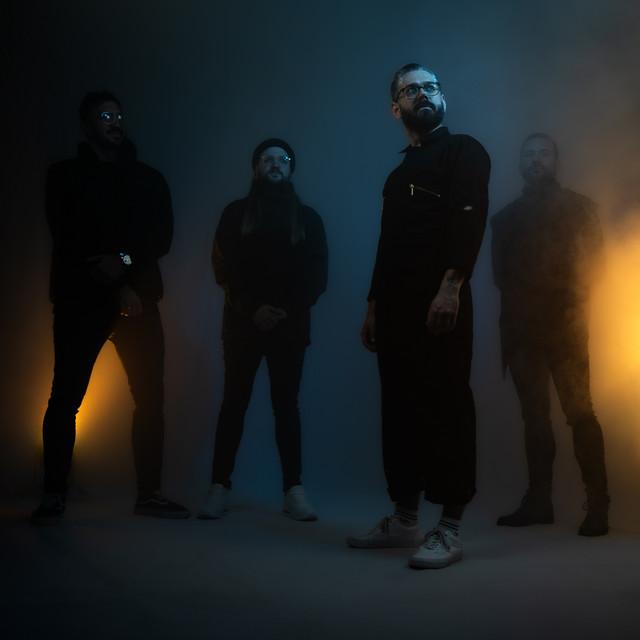
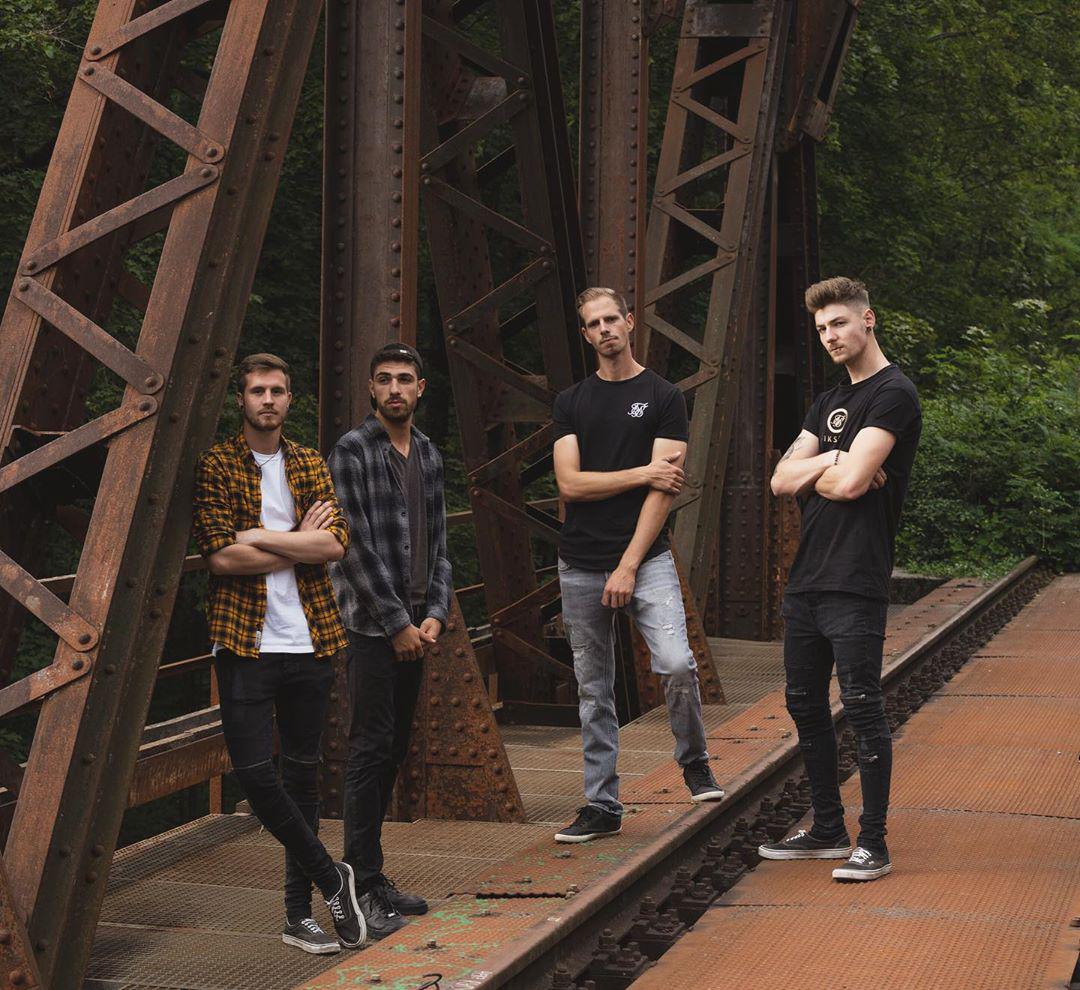
Dead Like Juliet’s Spotify BioFor over a decade, Dead Like Juliet has been a growing force of the European hardcore and metal scene, blending raw aggression with melodic depth. Hailing from the borderlands of Italy and Austria, this five-piece outfit—comprising Alexander Thurner (vocals), Martin Mayr (guitar), Tom Neulichedl (guitar), Michael Arquin (bass), and Maximilian Erler (drums)—has carved out a distinctive sound that fuses hardcore riffs with anthem like singalongs and politically charged lyrics.
Following the success of their debut album Stranger Shores (2018), the band embarked on an extensive touring schedule, playing over 200 shows across 20 countries. Their hard-hitting lyrics tackle political, personal, and philosophical issues, while their live performances are known for their intensity and energy.
In 2023, Dead Like Juliet joined Aviana, InVisions, and Earth Caller on the Corporation EU Tour, solidifying their presence in the scene. Their latest album, Stand Defiant, showcases the band's evolution,… exploring themes of resistance and self-discovery. With three new singles, a co-headlining European tour with Awake The Dreamer and memorable festival appearences in 2024 and 2025, Dead Like Juliet continue to push the boundaries of modern hardcore.
Viberate is a music analytics platform built for A&Rs, artist managers, labels, booking agents, marketers, and artists.
It helps music professionals track artist growth, analyze audience data, monitor playlist activity, compare artists, follow song performance, and identify opportunities across the music market.
Public artist pages provide a free preview of selected artist data. Paid plans provide access to deeper analytics, historical data, charts, comparisons, playlist tools, exports, alerts, reports, and additional professional features.
Yes. Public Viberate artist pages provide selected artist analytics and music data for free.
Viberate also offers a 7-day free trial of the full platform. A credit card is required to start the trial. The trial includes access to the complete product so users can test deeper artist analytics, historical views, playlist insights, comparisons, charts, exports, alerts, and reporting features before choosing a paid plan.
Viberate provides artist analytics across streaming, playlists, social media, video, radio airplay, songs, and audience markets.
Users can analyze Spotify performance, Spotify and Apple Music playlists, YouTube activity, TikTok and Instagram growth, radio spins, song performance, audience locations, demographics, rankings, and overall artist momentum.
Artist profiles also connect to music charts, similar artists, and comparison tools, helping users benchmark performance and evaluate artists in context.
Viberate updates key artist and track data daily.
For followed artists and tracks, selected data is refreshed multiple times per day. This helps teams monitor playlist changes, streaming movement, audience growth, releases, and campaign performance with more current data.
Update frequency can vary depending on the metric and data source.
Yes. Viberate lets users compare up to five artists side by side across streaming, social media, audience, and engagement metrics.
Users can compare fanbase growth, audience demographics, locations, Spotify performance, social metrics, and other artist data over selected time periods.
Artist comparison can be used for A&R scouting, benchmarking, booking decisions, campaign planning, and evaluating artists with similar audiences or market positions.