Dead Horses

Country
Americana/Alt Country
Folk Rock
 Viberate Rank: 159107
 Viberate Rank: 159107
 Monthly ListenersFollowers
 Subscribers
 Followers
 Followers
 FansTop Spotify Songs
| Track | 7-Day Streams | |
|---|---|---|
1 | 14.11K | |
2 | 4.82K | |
3 | 1.03K | |
4 | 966 | |
5 | 694 |
Top YouTube VideosMonthly ListenersFeatured in Playlists| Playlist | Followers | |
|---|---|---|
1 |  Acoustic Chill Spotify | 2.08M |
2 |  Afternoon Acoustic Spotify | 1.95M |
3 |  Roots Revival Spotify | 599.93K |
4 |  Folk Feast Spotify | 74.58K |
5 |  Café & Música Spotify | 42.60K |
Audience| City | Monthly Listeners | |
|---|---|---|
1 | | 653 |
2 | | 521 |
3 | | 520 |
4 | | 459 |
5 | | 405 |
See full performance history, audience data, playlist activity, rankings, comparisons, and more in Viberate music analytics. Start with a free trial, then continue with a paid plan.
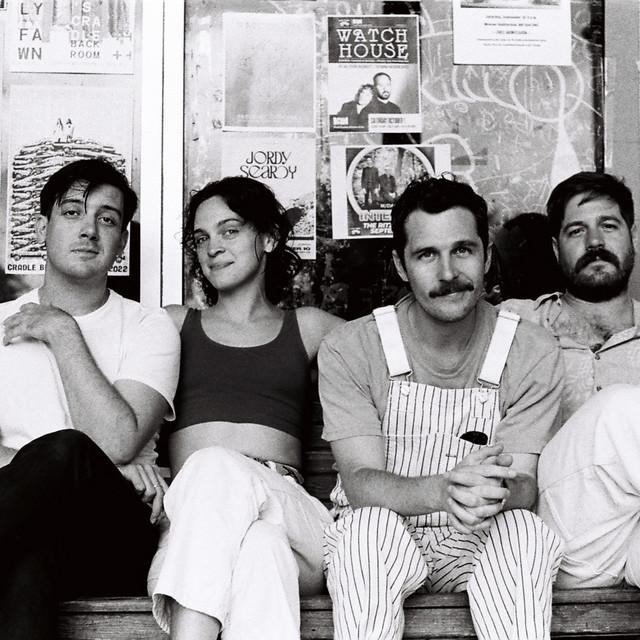
Dead Horses’ Spotify BioMilwaukee’s eclectic Brady Street neighborhood provides a colorful backdrop for the latest album by folk duo Dead Horses. Brady Street, which is due out on August 12, 2022, is Dead Horses’ first full-length release since their arresting 2018 record, My Mother the Moon. The last album charted on the Americana Top 50 radio charts for three consecutive months. The single “Turntable” accrued more than 35 million spins on Spotify and was also featured on the Amazon and Apple Americana playlists. The pair’s select media highlights include a Rolling Stone “Artist You Should Know” mention as well as profiles in Billboard, Noisey, and even independent global news publication Democracy Now!
"I feel that Brady Street is a coming-of-age record for us – both musically and thematically,” Vos shares.
Dead Horses is thrilled to support Brady Street with tours across the United States. Over the years, the road has become somewhat of a second home for Sarah and Dan. “Connecting with people at shows and… being open together breathes new life into everything,” Sarah notes. “You can go somewhere and feel like a total stranger or a lost tourist at first,” as Dan perfectly describes the sensation of performing, “but once you hit the stage, you feel like you’re part of an all-too-familiar community.”
Viberate is a music analytics platform built for A&Rs, artist managers, labels, booking agents, marketers, and artists.
It helps music professionals track artist growth, analyze audience data, monitor playlist activity, compare artists, follow song performance, and identify opportunities across the music market.
Public artist pages provide a free preview of selected artist data. Paid plans provide access to deeper analytics, historical data, charts, comparisons, playlist tools, exports, alerts, reports, and additional professional features.
Yes. Public Viberate artist pages provide selected artist analytics and music data for free.
Viberate also offers a 7-day free trial of the full platform. A credit card is required to start the trial. The trial includes access to the complete product so users can test deeper artist analytics, historical views, playlist insights, comparisons, charts, exports, alerts, and reporting features before choosing a paid plan.
Viberate provides artist analytics across streaming, playlists, social media, video, radio airplay, songs, and audience markets.
Users can analyze Spotify performance, Spotify and Apple Music playlists, YouTube activity, TikTok and Instagram growth, radio spins, song performance, audience locations, demographics, rankings, and overall artist momentum.
Artist profiles also connect to music charts, similar artists, and comparison tools, helping users benchmark performance and evaluate artists in context.
Viberate updates key artist and track data daily.
For followed artists and tracks, selected data is refreshed multiple times per day. This helps teams monitor playlist changes, streaming movement, audience growth, releases, and campaign performance with more current data.
Update frequency can vary depending on the metric and data source.
Yes. Viberate lets users compare up to five artists side by side across streaming, social media, audience, and engagement metrics.
Users can compare fanbase growth, audience demographics, locations, Spotify performance, social metrics, and other artist data over selected time periods.
Artist comparison can be used for A&R scouting, benchmarking, booking decisions, campaign planning, and evaluating artists with similar audiences or market positions.