Dead Heat

Punk
Hardcore Punk
Hardstyle/Hardcore
 Viberate Rank: 161225
 Viberate Rank: 161225
 Monthly ListenersFollowers
 Subscribers
 Followers
 Followers
 FansTop Spotify Songs
| Track | 7-Day Streams | |
|---|---|---|
1 | 726 | |
2 | 497 | |
3 | 447 | |
4 | 446 | |
5 | 413 |
Top YouTube VideosMonthly ListenersFeatured in Playlists| Playlist | Followers | |
|---|---|---|
1 |  Hardcore Punk Pure Noise Records | 77.03K |
2 |  Punto de encuentro: Spotify x BOmm 2026 Spotify | 32.48K |
3 |  The MetalSucks Playlist - This Week's Top Tracks MetalSucks | 7.22K |
4 | Thrash Metal Up Your Ass Germonio | 6.86K |
5 |  Metal Blade Essentials - New Releases Metal Blade Records | 5.59K |
Audience| City | Monthly Listeners | |
|---|---|---|
1 | | 326 |
2 |  | 204 |
3 | | 140 |
4 | | 133 |
5 | | 127 |
See full performance history, audience data, playlist activity, rankings, comparisons, and more in Viberate music analytics. Start with a free trial, then continue with a paid plan.
Dead Heat’s Spotify BioNardcore
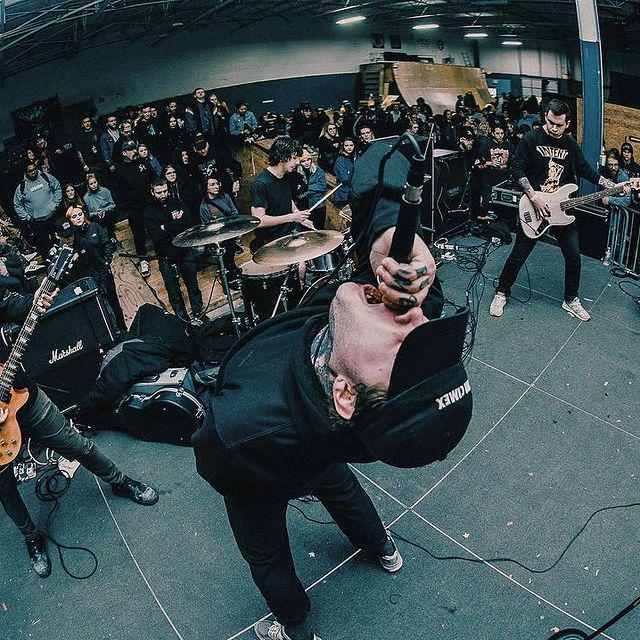
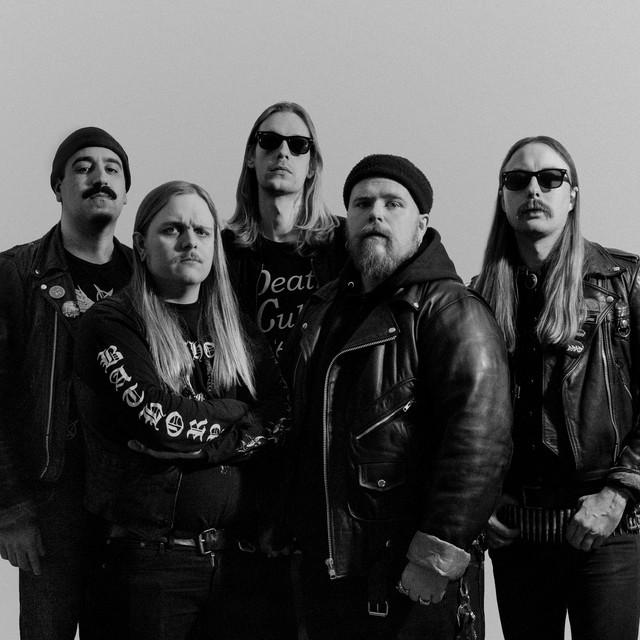
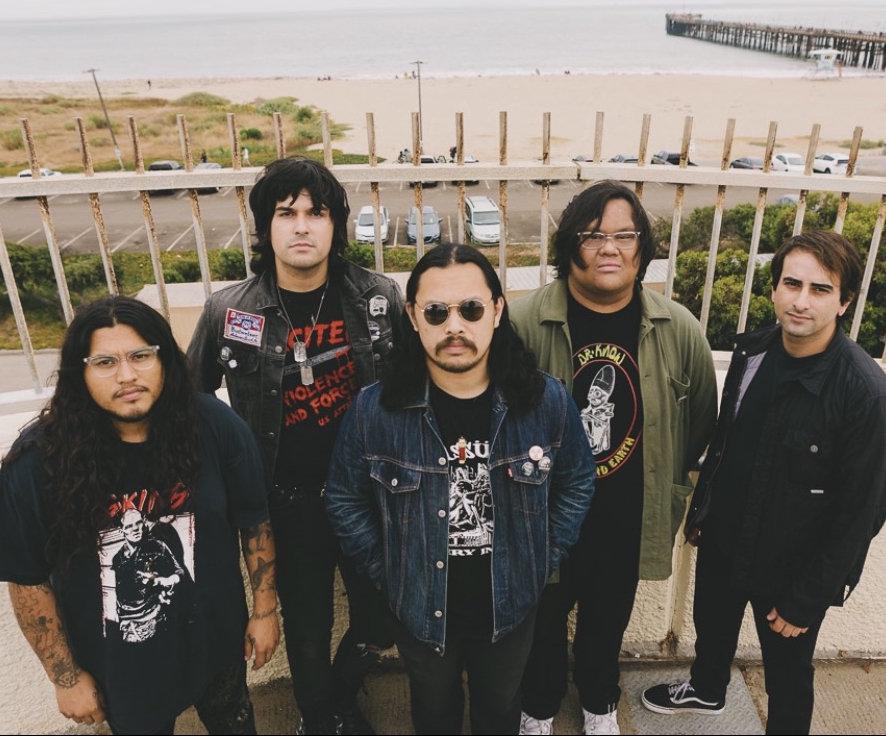
Dead Heat is an American Crossover band from Oxnard, CA (also from the 323 & 714). Conceived in 2016 by guitarists Anthony Tejeda and Justin Ton, they’ve released two Studio albums, one demo compilation and a split with New York heavy hitters Mindforce. Pulling from bands such as Suicidal Tendencies, Excel, Leeway and Vio-lence, the band manages to create a harmonious blend of hardcore punk and thrash metal into one.
The band has went through a major line up change in 2020 with both guitarists and Vocalist Chris Ramos being the only original members. Their latest record “World At War” is a visceral assault of riffs, drum fills and heavy hitting vocals showing off the new line ups chops.
Viberate is a music analytics platform built for A&Rs, artist managers, labels, booking agents, marketers, and artists.
It helps music professionals track artist growth, analyze audience data, monitor playlist activity, compare artists, follow song performance, and identify opportunities across the music market.
Public artist pages provide a free preview of selected artist data. Paid plans provide access to deeper analytics, historical data, charts, comparisons, playlist tools, exports, alerts, reports, and additional professional features.
Yes. Public Viberate artist pages provide selected artist analytics and music data for free.
Viberate also offers a 7-day free trial of the full platform. A credit card is required to start the trial. The trial includes access to the complete product so users can test deeper artist analytics, historical views, playlist insights, comparisons, charts, exports, alerts, and reporting features before choosing a paid plan.
Viberate provides artist analytics across streaming, playlists, social media, video, radio airplay, songs, and audience markets.
Users can analyze Spotify performance, Spotify and Apple Music playlists, YouTube activity, TikTok and Instagram growth, radio spins, song performance, audience locations, demographics, rankings, and overall artist momentum.
Artist profiles also connect to music charts, similar artists, and comparison tools, helping users benchmark performance and evaluate artists in context.
Viberate updates key artist and track data daily.
For followed artists and tracks, selected data is refreshed multiple times per day. This helps teams monitor playlist changes, streaming movement, audience growth, releases, and campaign performance with more current data.
Update frequency can vary depending on the metric and data source.
Yes. Viberate lets users compare up to five artists side by side across streaming, social media, audience, and engagement metrics.
Users can compare fanbase growth, audience demographics, locations, Spotify performance, social metrics, and other artist data over selected time periods.
Artist comparison can be used for A&R scouting, benchmarking, booking decisions, campaign planning, and evaluating artists with similar audiences or market positions.