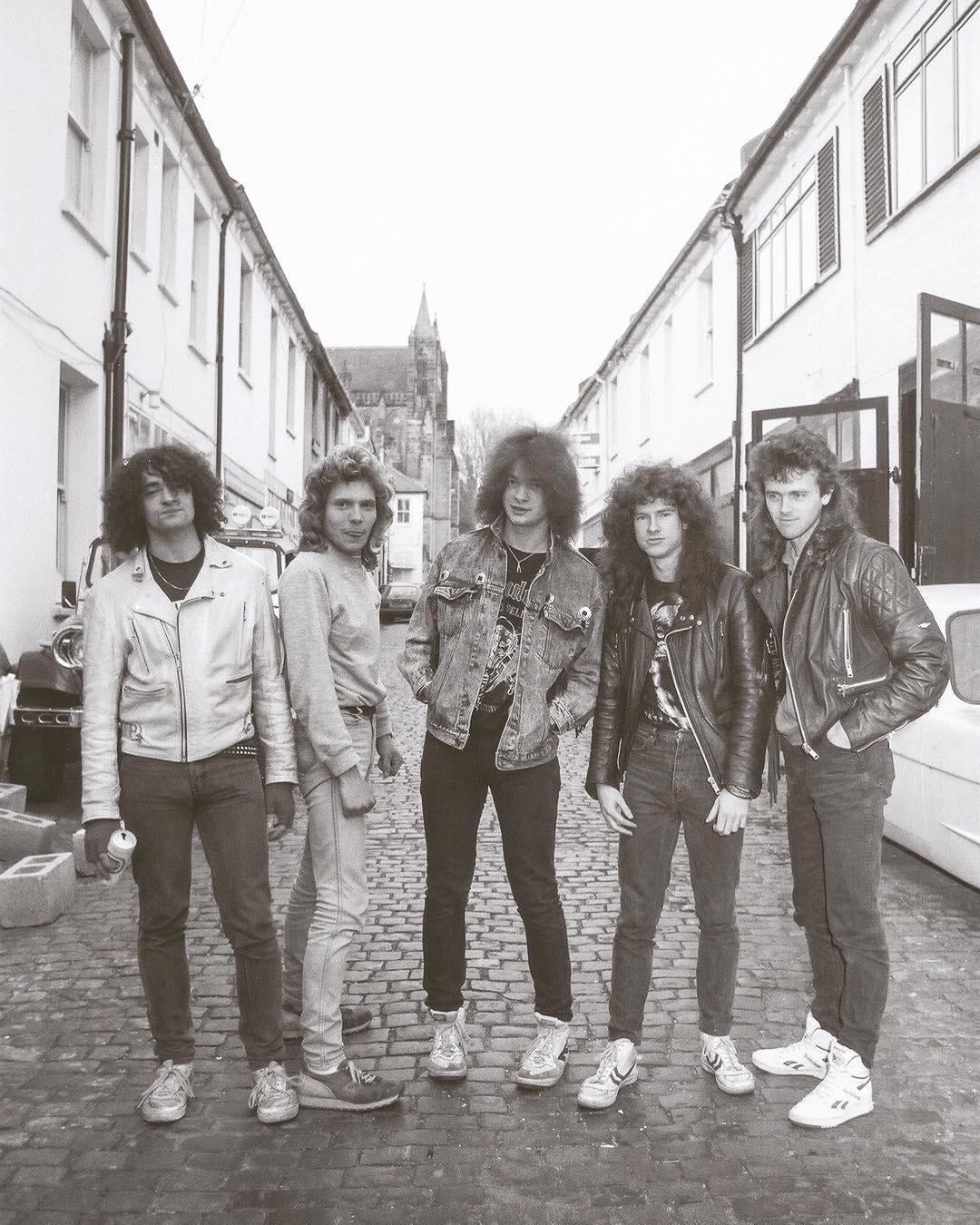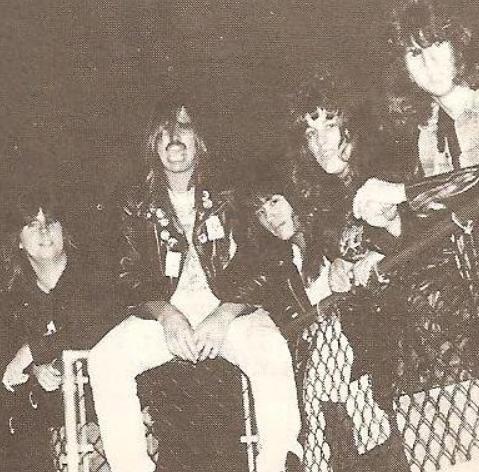
Dead Brain Cells (DBC)

Metal
Speed Metal
Thrash Metal
 Viberate Rank: 286812
 Viberate Rank: 286812
 Monthly ListenersFollowers
 Subscribers
 Followers
 Followers
 FansTop Spotify Songs
| Track | 7-Day Streams | |
|---|---|---|
1 | 134 | |
2 | 113 | |
3 | 82 | |
4 | 60 | |
5 | 53 |
Top YouTube VideosMonthly ListenersFeatured in Playlists| Playlist | Followers | |
|---|---|---|
1 | Thrash Daniel Höld | 4.50K |
2 |  Metalcore Frozen-Heart-Music | 2.53K |
3 | Modern Thrash Metal Ben Brodie | 2.02K |
4 | Wanna listen to some tunes? Eris | 1.84K |
5 |  The Metal Anthology Humberto Campitelli Junior | 1.81K |
Audience| City | Monthly Listeners | |
|---|---|---|
1 | | 116 |
2 | | 29 |
3 | | 16 |
4 |  | 11 |
5 | | 10 |
See full performance history, audience data, playlist activity, rankings, comparisons, and more in Viberate music analytics. Start with a free trial, then continue with a paid plan.
Dead Brain Cells (DBC)’s Spotify Bio1986
Canadian thrash outfit Dead Brain Cells begins as a semi-serious side-project with drummer
Jeff St. Louis and local personality Dave Javex from Vomit and the Zits.
After only a few practices, the "joke" is coming up with some impressive material.
1987
Combat Records releases 'Dead Brain Cells'. Produced by Randy Burns (Nuclear Assault, Ludichrist),
the 13-song LP establishes DBC as a leading underground force. A solid thrash piece with socially
conscious lyrics displaying an interesting hardcore inclination (especially in songs such
as "Outburst" and "Lies", Dead Brain Cells elicits favorable reviews from Faces, Metal Hammer, Burn,
and others. Several tracks hint at a promising, unconventional approach that bodes well for the future.
1989
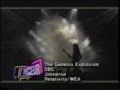
Universe, the fruition and sum of these elements, finally arrives. Nothing short of a full-blown
concept work (replete with bibliography), Universe is DBC's exploration of the origin of the cosmos
and its indigenous life forms, up to and including the future.… Bassist/vocalist/lyricist Phil Dakin explains
"It starts with 'The Genesis Explosion', which is about the origins of the universe through the formation
of the solar system and so on. Each song is a chapter in this story, even the instrumental 'Exit the Giants'
deals with the extinction of the dinosaurs. 'Rise of Man' is self explanatory, while 'Threshold' is man's
confrontation with the future and with what he has to do in order to survive."
Viberate is a music analytics platform built for A&Rs, artist managers, labels, booking agents, marketers, and artists.
It helps music professionals track artist growth, analyze audience data, monitor playlist activity, compare artists, follow song performance, and identify opportunities across the music market.
Public artist pages provide a free preview of selected artist data. Paid plans provide access to deeper analytics, historical data, charts, comparisons, playlist tools, exports, alerts, reports, and additional professional features.
Yes. Public Viberate artist pages provide selected artist analytics and music data for free.
Viberate also offers a 7-day free trial of the full platform. A credit card is required to start the trial. The trial includes access to the complete product so users can test deeper artist analytics, historical views, playlist insights, comparisons, charts, exports, alerts, and reporting features before choosing a paid plan.
Viberate provides artist analytics across streaming, playlists, social media, video, radio airplay, songs, and audience markets.
Users can analyze Spotify performance, Spotify and Apple Music playlists, YouTube activity, TikTok and Instagram growth, radio spins, song performance, audience locations, demographics, rankings, and overall artist momentum.
Artist profiles also connect to music charts, similar artists, and comparison tools, helping users benchmark performance and evaluate artists in context.
Viberate updates key artist and track data daily.
For followed artists and tracks, selected data is refreshed multiple times per day. This helps teams monitor playlist changes, streaming movement, audience growth, releases, and campaign performance with more current data.
Update frequency can vary depending on the metric and data source.
Yes. Viberate lets users compare up to five artists side by side across streaming, social media, audience, and engagement metrics.
Users can compare fanbase growth, audience demographics, locations, Spotify performance, social metrics, and other artist data over selected time periods.
Artist comparison can be used for A&R scouting, benchmarking, booking decisions, campaign planning, and evaluating artists with similar audiences or market positions.