De Rosa

Rock
Indie Rock
 Viberate Rank: 563535
 Viberate Rank: 563535
 Monthly ListenersFollowers
 Subscribers
 Followers
 Followers
 FansTop Spotify Songs
| Track | 7-Day Streams | |
|---|---|---|
1 | 52 | |
2 | 34 | |
3 | 29 | |
4 | 24 | |
5 | 15 |
Top YouTube VideosMonthly ListenersFeatured in Playlists| Playlist | Followers | |
|---|---|---|
1 |  DeafToll Records - EDM and Experimental House Playlist DeafToll | 3.37K |
2 | James' playlist The Twilight Sad | 2.19K |
3 |  Best Indie / Alt 2016 with commentary Drowned in Sound | 1.81K |
4 |  The Sound of Scottish Indie The Sounds of Spotify | 1.53K |
5 |  00/10s Worldwide Indie @ma.varelaw | 1.14K |
Audience| City | Monthly Listeners | |
|---|---|---|
1 | | 32 |
2 | | 19 |
3 | | 7 |
4 | | 7 |
5 |  | 6 |
See full performance history, audience data, playlist activity, rankings, comparisons, and more in Viberate music analytics. Start with a free trial, then continue with a paid plan.
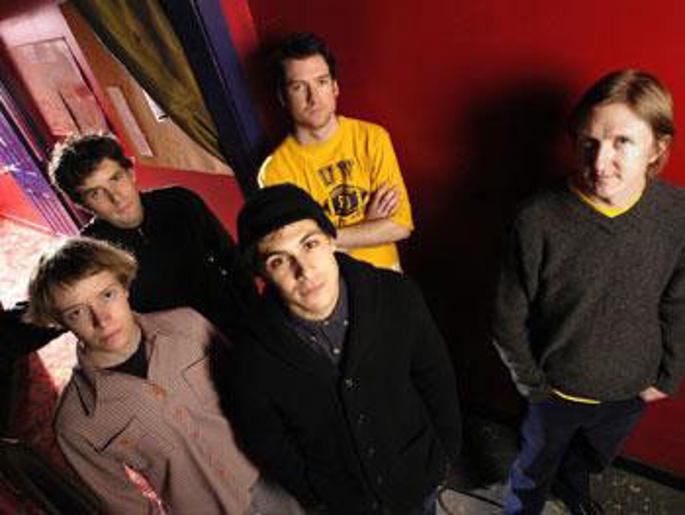
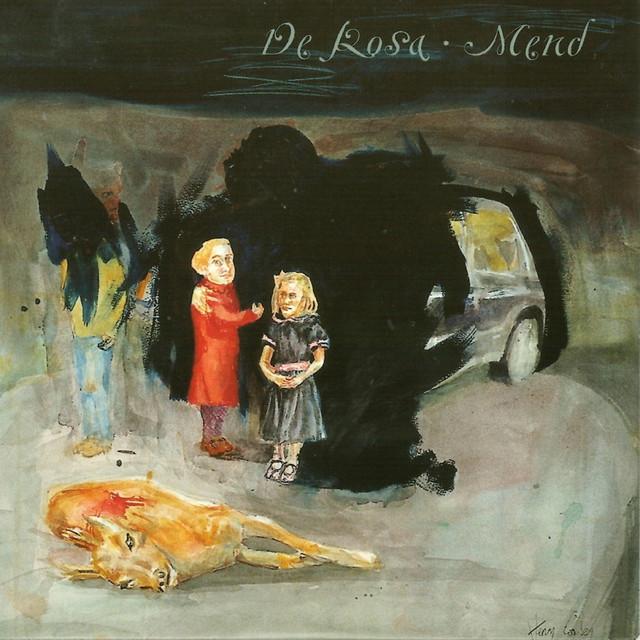
De Rosa’s Spotify BioOriginally a five-piece group, when De Rosa broke up in 2003, three years after their inception, vocalist Martin John Henry decided to re-form the group instead of ending things completely, bringing on brothers Neil Woodside (on drums) and James Woodside (on bass, melodica, and mandolin). After a year spent working in the studio, De Rosa's debut album, Mend, was released on Chemikal Underground, and later that year guitarist Chris Connick, who had played on much of the record, as well as having toured with them previously, officially joined the band. After their second album, Prevention, was released in 2009, they decided to part ways once again, this time seemingly for good. However, their cult following continued to grow, eventually warranting their return in 2012. The new lineup reverted back to the three founding members, Martin John Henry and brothers Neil and James Woodside. Upon their re-formation they instantly began working on new material, resulting in their third studio… album, Weem, in 2015. ~ Marisa Brown, Rovi
Viberate is a music analytics platform built for A&Rs, artist managers, labels, booking agents, marketers, and artists.
It helps music professionals track artist growth, analyze audience data, monitor playlist activity, compare artists, follow song performance, and identify opportunities across the music market.
Public artist pages provide a free preview of selected artist data. Paid plans provide access to deeper analytics, historical data, charts, comparisons, playlist tools, exports, alerts, reports, and additional professional features.
Yes. Public Viberate artist pages provide selected artist analytics and music data for free.
Viberate also offers a 7-day free trial of the full platform. A credit card is required to start the trial. The trial includes access to the complete product so users can test deeper artist analytics, historical views, playlist insights, comparisons, charts, exports, alerts, and reporting features before choosing a paid plan.
Viberate provides artist analytics across streaming, playlists, social media, video, radio airplay, songs, and audience markets.
Users can analyze Spotify performance, Spotify and Apple Music playlists, YouTube activity, TikTok and Instagram growth, radio spins, song performance, audience locations, demographics, rankings, and overall artist momentum.
Artist profiles also connect to music charts, similar artists, and comparison tools, helping users benchmark performance and evaluate artists in context.
Viberate updates key artist and track data daily.
For followed artists and tracks, selected data is refreshed multiple times per day. This helps teams monitor playlist changes, streaming movement, audience growth, releases, and campaign performance with more current data.
Update frequency can vary depending on the metric and data source.
Yes. Viberate lets users compare up to five artists side by side across streaming, social media, audience, and engagement metrics.
Users can compare fanbase growth, audience demographics, locations, Spotify performance, social metrics, and other artist data over selected time periods.
Artist comparison can be used for A&R scouting, benchmarking, booking decisions, campaign planning, and evaluating artists with similar audiences or market positions.