Daxtar

Electronic
House
Other Electronic Music
 Viberate Rank: 625511
 Viberate Rank: 625511
 Monthly ListenersFollowers
 Subscribers
 Followers
 Followers
 FansTop Spotify Songs
| Track | 7-Day Streams | |
|---|---|---|
1 | 163 | |
2 | 40 | |
3 | 38 | |
4 | 23 | |
5 | 19 |
Top YouTube VideosMonthly ListenersFeatured in Playlists| Playlist | Followers | |
|---|---|---|
1 | Finnish Dance Chart - 25.5.14. (Spotifylistat.com) jarno | 11.63K |
2 | *EDM*TECHNO*TRANCE*PARTY* | Since 2009 John Nordström | 7.94K |
3 | jumpstyle 2k17💦⚓️ Mattias Lassila | 7.06K |
4 |  EDM 2024 | Electronic Dance Music | Emilia Gärskog | 5.17K |
5 | Best Party Songs 2014 Peetu Juuti | 4.89K |
Audience| City | Monthly Listeners | |
|---|---|---|
1 | | 64 |
2 |  | 61 |
3 | | 57 |
4 |  | 26 |
5 | | 20 |
See full performance history, audience data, playlist activity, rankings, comparisons, and more in Viberate music analytics. Start with a free trial, then continue with a paid plan.
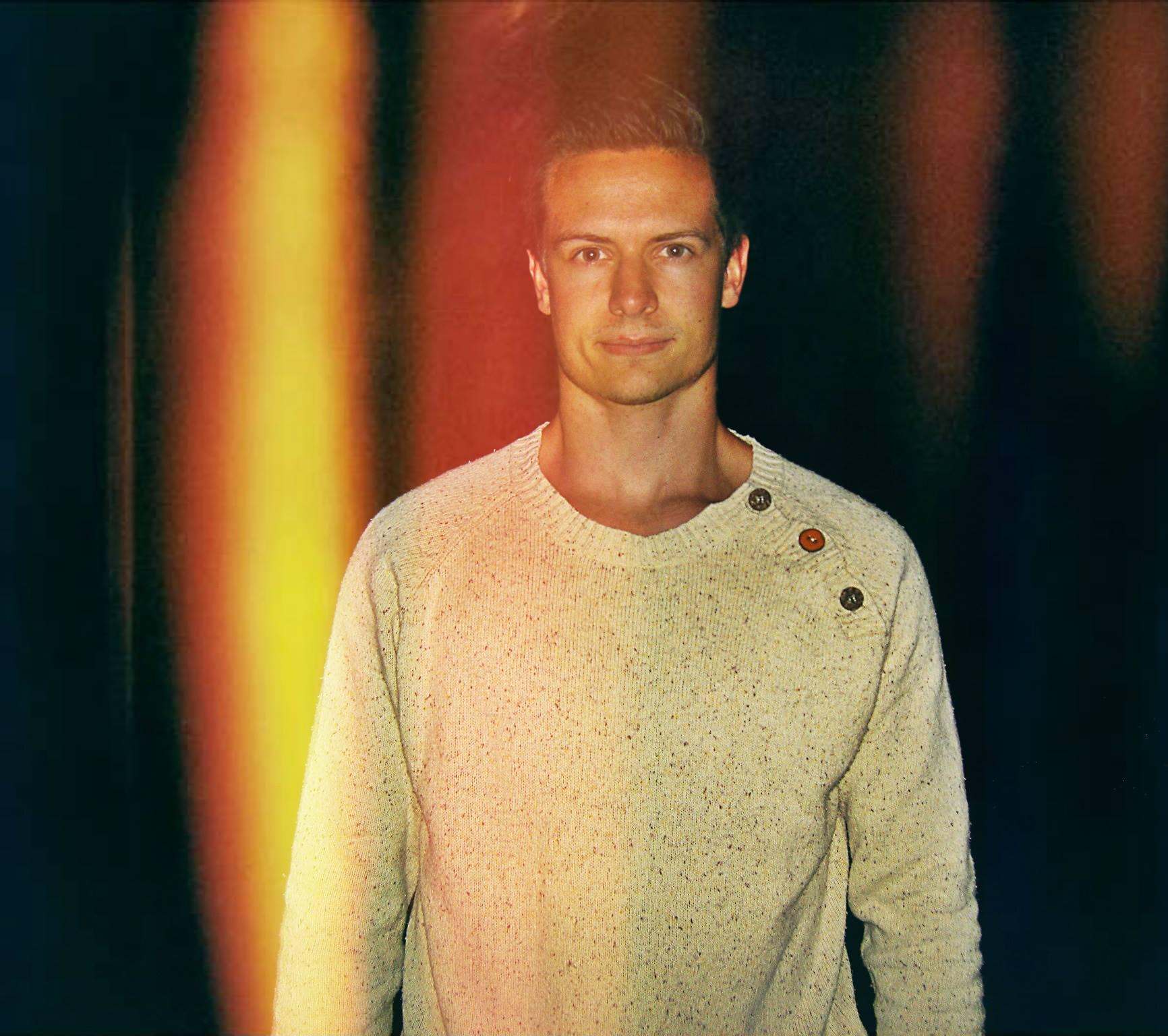
Daxtar’s Spotify BioDaxtar began his djing career in 2006, and has slowly established himself on the danish electronica scene since.
The style is french inspired with a melodic and uplifting vibe, which is not seen often here in Europe, where the main part works with the progressive side of the genre.
Since Daxtar was signed on the label YeahYeah in 2012 by the danish super DJ, KATO. His career has truely picked up a lot of speed.
After his first single "1UP" came out the interest from houselabels both national and international has been huge.
That is also why a big part of the strategi for Daxtar is to aim internationally.
With 1,2 million streams on one of his singles, I Am Error, Daxtar has truly established himself in the music industry.
His tracks primarily spreads through houseblogs, webradios and DJ communities. Here the excitement has no limit.
Viberate is a music analytics platform built for A&Rs, artist managers, labels, booking agents, marketers, and artists.
It helps music professionals track artist growth, analyze audience data, monitor playlist activity, compare artists, follow song performance, and identify opportunities across the music market.
Public artist pages provide a free preview of selected artist data. Paid plans provide access to deeper analytics, historical data, charts, comparisons, playlist tools, exports, alerts, reports, and additional professional features.
Yes. Public Viberate artist pages provide selected artist analytics and music data for free.
Viberate also offers a 7-day free trial of the full platform. A credit card is required to start the trial. The trial includes access to the complete product so users can test deeper artist analytics, historical views, playlist insights, comparisons, charts, exports, alerts, and reporting features before choosing a paid plan.
Viberate provides artist analytics across streaming, playlists, social media, video, radio airplay, songs, and audience markets.
Users can analyze Spotify performance, Spotify and Apple Music playlists, YouTube activity, TikTok and Instagram growth, radio spins, song performance, audience locations, demographics, rankings, and overall artist momentum.
Artist profiles also connect to music charts, similar artists, and comparison tools, helping users benchmark performance and evaluate artists in context.
Viberate updates key artist and track data daily.
For followed artists and tracks, selected data is refreshed multiple times per day. This helps teams monitor playlist changes, streaming movement, audience growth, releases, and campaign performance with more current data.
Update frequency can vary depending on the metric and data source.
Yes. Viberate lets users compare up to five artists side by side across streaming, social media, audience, and engagement metrics.
Users can compare fanbase growth, audience demographics, locations, Spotify performance, social metrics, and other artist data over selected time periods.
Artist comparison can be used for A&R scouting, benchmarking, booking decisions, campaign planning, and evaluating artists with similar audiences or market positions.