Dawn

Metal
Death Metal
Black Metal
 Viberate Rank: 234627
 Viberate Rank: 234627
 Monthly ListenersFollowers
 Subscribers
 Followers
 Followers
 FansTop Spotify Songs
| Track | 7-Day Streams | |
|---|---|---|
1 | 2 |
Top YouTube VideosMonthly ListenersFeatured in Playlists| Playlist | Followers | |
|---|---|---|
1 | Black metal Stian Sætrum | 26.12K |
2 |  Metal Instrumentals Samidhya Sarker Torsho | 18.16K |
3 |  Metal of the 90's TK Nagurufa | 9.46K |
4 | Raw Black Metal Mike Beliveau | 9.25K |
5 |  Melodic Black Metal Sam | 6.37K |
Audience| City | Monthly Listeners | |
|---|---|---|
1 |  | 91 |
2 |  | 68 |
3 | | 55 |
4 |  | 36 |
5 |  | 35 |
See full performance history, audience data, playlist activity, rankings, comparisons, and more in Viberate music analytics. Start with a free trial, then continue with a paid plan.
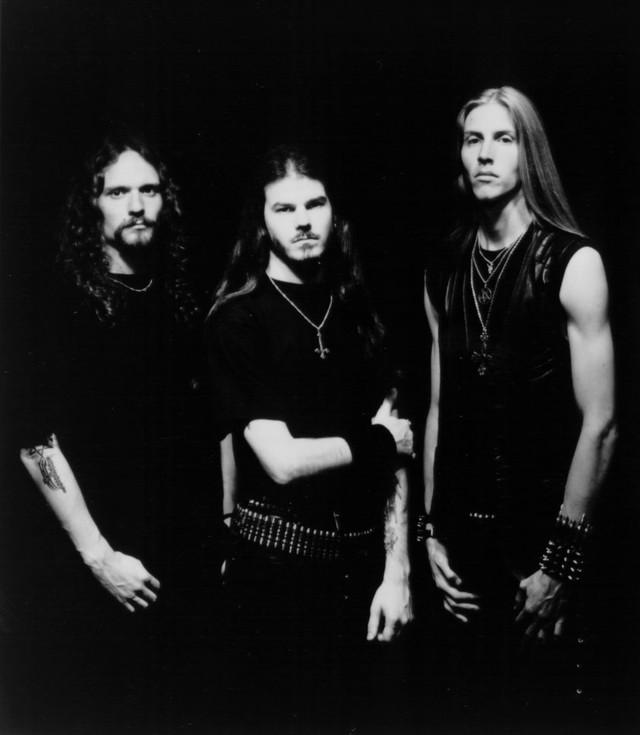
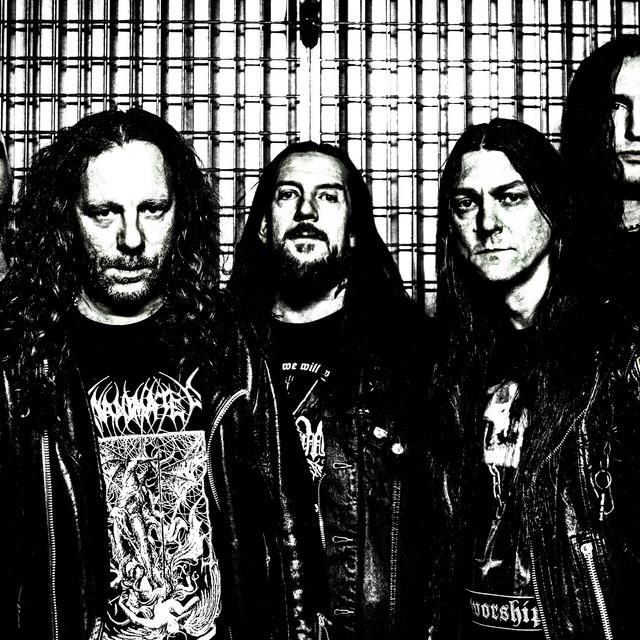
Dawn’s Spotify BioSwedish death metal band Dawn was formed in 1990 by guitarist Fredrik Söderberg following the dissolution of his previous project, Obduracy. Initially recruiting second guitarist Andreas Fullmestad, with the subsequent additions of vocalist Henke Forss, bassist Dennis and drummer Karsten Larsson the original lineup was complete, and in mid-1992 Dawn recorded its first demo. Lars Tängmark assumed bass duties for a second demo, Apparitions, followed by a split single with Pyphomgertum issued on the Mexican label Bellphegot. A third demo led to a record deal with the American label Necropolis, and in 1994 Dawn issued its debut album Naer Sólen Gar Niþer For Evogher; after a slaughterhouse accident sidelined Söderberg for some 18 months, the group released an EP, Sorgh Pa Svarte Vingar Fløgh, in 1996. Drummer Jocke Pettersson replaced Larsson for 1998's Slaughtersun (Crown of the Triarchy; Fullmestad, Rosenburg and Petterssson all exited soon after, with the remaining duo of Söderberg and… Forss adding drummer Tomas Asklund. ~ Jason Ankeny, Rovi
Viberate is a music analytics platform built for A&Rs, artist managers, labels, booking agents, marketers, and artists.
It helps music professionals track artist growth, analyze audience data, monitor playlist activity, compare artists, follow song performance, and identify opportunities across the music market.
Public artist pages provide a free preview of selected artist data. Paid plans provide access to deeper analytics, historical data, charts, comparisons, playlist tools, exports, alerts, reports, and additional professional features.
Yes. Public Viberate artist pages provide selected artist analytics and music data for free.
Viberate also offers a 7-day free trial of the full platform. A credit card is required to start the trial. The trial includes access to the complete product so users can test deeper artist analytics, historical views, playlist insights, comparisons, charts, exports, alerts, and reporting features before choosing a paid plan.
Viberate provides artist analytics across streaming, playlists, social media, video, radio airplay, songs, and audience markets.
Users can analyze Spotify performance, Spotify and Apple Music playlists, YouTube activity, TikTok and Instagram growth, radio spins, song performance, audience locations, demographics, rankings, and overall artist momentum.
Artist profiles also connect to music charts, similar artists, and comparison tools, helping users benchmark performance and evaluate artists in context.
Viberate updates key artist and track data daily.
For followed artists and tracks, selected data is refreshed multiple times per day. This helps teams monitor playlist changes, streaming movement, audience growth, releases, and campaign performance with more current data.
Update frequency can vary depending on the metric and data source.
Yes. Viberate lets users compare up to five artists side by side across streaming, social media, audience, and engagement metrics.
Users can compare fanbase growth, audience demographics, locations, Spotify performance, social metrics, and other artist data over selected time periods.
Artist comparison can be used for A&R scouting, benchmarking, booking decisions, campaign planning, and evaluating artists with similar audiences or market positions.