Davidson Ospina

Electronic
House
 Viberate Rank: 248674
 Viberate Rank: 248674
 Monthly ListenersFollowers
 Subscribers
 Followers
 Followers
 FansTop Spotify SongsTop YouTube Videos
| Video | 7-Day Views | |
|---|---|---|
1 | 16 | |
2 | 12 | |
3 | 9 | |
4 | 8 | |
5 | 6 |
Monthly ListenersFeatured in Playlists| Playlist | Followers | |
|---|---|---|
1 |  Britney Spears: Complete Collection Britney Spears | 131.78K |
2 |  Underground House Alex Crook | 26.47K |
3 |  Time to House - Track ID Time to House | 19.37K |
4 | 90s Dance Party Micke | 13.19K |
5 |  90s Underground Deep House Jizz | 11.54K |
Audience| City | Monthly Listeners | |
|---|---|---|
1 |  | 345 |
2 |  | 299 |
3 |  | 275 |
4 | | 218 |
5 |  | 211 |
See full performance history, audience data, playlist activity, rankings, comparisons, and more in Viberate music analytics. Start with a free trial, then continue with a paid plan.
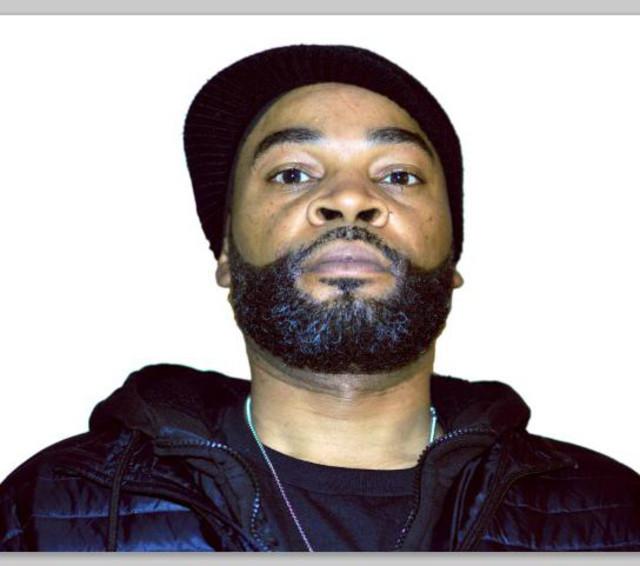
Davidson Ospina’s Spotify BioDavidson Ospina by his early teens, was already producing & releasing his own tracks, playing keyboards & remixing artists on many popular dance labels. In 1996, he made his mark with his first hit El Cantor "Toma" on Digital Dungeon Records, NYC . This record became a LatinHouse club anthem across the world for months and peaked #9 on the Billboard Dance charts for several weeks . His success increased the demand as a Remixer/Producer on major & indie labels which landed his first commissioned dance remixes on Atlantic Records for The Gypsy Kings & Pet Shop Boys. This immediately propelled him into the mainstream. Popular artists, who wanted a presence in the clubs, like Britney Spears, Christina Aguilera, The Backstreet Boys, Enrique Iglesias, Gloria Estefan, Marc Anthony, Brandy, and many others, all sought Davidson out for his dance remix work.
In 1998, things paid off big going Platinum with 1 MILLION SALES for Ospina’s remix of Britney Spears, “Baby, One More Time” (Jive Records)… . He also scored his first #1 hit with the chart topping remix of Christina Aguilera’s, “Ain’t No Other Man” (RCA) . Being a world renowned producer, has made Ospina a highly sought after DJ. Creating dance floor frenzies with his sets, you can find him playing at Huge Festivals. Playing the trendiest venues in Philadelphia, NYC, DC, South America & Europe.
Viberate is a music analytics platform built for A&Rs, artist managers, labels, booking agents, marketers, and artists.
It helps music professionals track artist growth, analyze audience data, monitor playlist activity, compare artists, follow song performance, and identify opportunities across the music market.
Public artist pages provide a free preview of selected artist data. Paid plans provide access to deeper analytics, historical data, charts, comparisons, playlist tools, exports, alerts, reports, and additional professional features.
Yes. Public Viberate artist pages provide selected artist analytics and music data for free.
Viberate also offers a 7-day free trial of the full platform. A credit card is required to start the trial. The trial includes access to the complete product so users can test deeper artist analytics, historical views, playlist insights, comparisons, charts, exports, alerts, and reporting features before choosing a paid plan.
Viberate provides artist analytics across streaming, playlists, social media, video, radio airplay, songs, and audience markets.
Users can analyze Spotify performance, Spotify and Apple Music playlists, YouTube activity, TikTok and Instagram growth, radio spins, song performance, audience locations, demographics, rankings, and overall artist momentum.
Artist profiles also connect to music charts, similar artists, and comparison tools, helping users benchmark performance and evaluate artists in context.
Viberate updates key artist and track data daily.
For followed artists and tracks, selected data is refreshed multiple times per day. This helps teams monitor playlist changes, streaming movement, audience growth, releases, and campaign performance with more current data.
Update frequency can vary depending on the metric and data source.
Yes. Viberate lets users compare up to five artists side by side across streaming, social media, audience, and engagement metrics.
Users can compare fanbase growth, audience demographics, locations, Spotify performance, social metrics, and other artist data over selected time periods.
Artist comparison can be used for A&R scouting, benchmarking, booking decisions, campaign planning, and evaluating artists with similar audiences or market positions.