David Wills

Country
Contemporary Country
Christian Music
 Viberate Rank: 255481
 Viberate Rank: 255481
 Monthly ListenersFollowers
 Subscribers
 Followers
 Followers
 FansTop Spotify Songs
| Track | 7-Day Streams | |
|---|---|---|
1 | 2.47K | |
2 | 1.44K | |
3 | 1.06K | |
4 | 1.06K | |
5 | 864 |
Top YouTube VideosMonthly ListenersFeatured in Playlists| Playlist | Followers | |
|---|---|---|
1 | Classic Country Carter Santos | 28.55K |
2 | Keith Whitley - Greatest Hits Tyler Vogel | 14.66K |
3 |  Smittys Country Gold Smitty | 8.16K |
4 | Classic Soft Rock & Country lemayscot | 1.64K |
5 | 70's county hits harvey.ray | 1.60K |
Audience| City | Monthly Listeners | |
|---|---|---|
1 | | 325 |
2 |  | 290 |
3 | | 284 |
4 | | 278 |
5 | | 191 |
See full performance history, audience data, playlist activity, rankings, comparisons, and more in Viberate music analytics. Start with a free trial, then continue with a paid plan.
David Wills’ Spotify BioDavid Wills is an American country music singer and songwriter born in Pulaski, Tennessee on October 23, 1951.
He entered a talent contest in Lakeland, Tennessee where he met Charlie Rich’s manager, Sy Rosenberg, who offered him a contract with Epic Records on the spot.
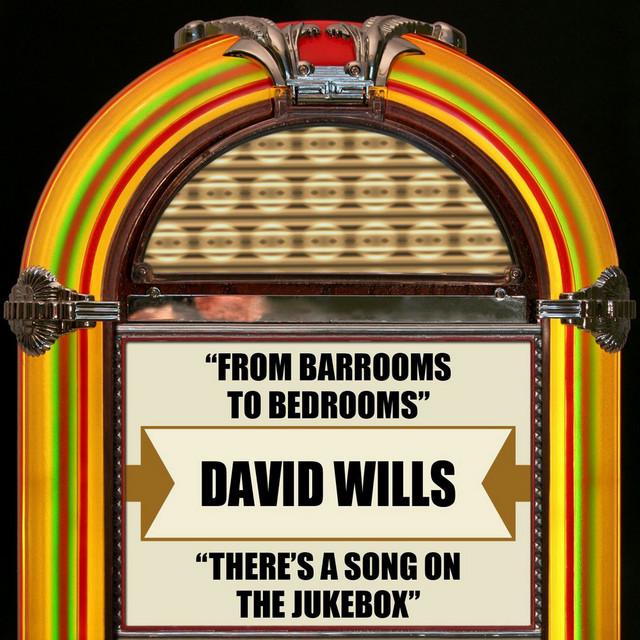
Wills charted 21 records as an artist from 1974 to 1988 that included “There’s A Song On The Jukebox” and “Barrooms to Bedrooms” that reached Top 10 on the US Country Charts in 1975.
Wills was signed to three major Nashville record labels commencing with Epic Records in 1974, United Artist Records in 1977 and RCA in 1983. He wrote extensively for Charley Pride Music Group resulting in some of the most celebrated songs in the business.
Wills co-wrote with Blake Mevis “If You Thinking You Want A Stranger” (There’s One Coming Home) for George Strait that charted at three on the US Country Charts in 1981. He then co-wrote with Bill Shore “Leona” for Sawyer Brown that peaked at sixteen on the US Country Charts in 1984. He… co-wrote “Charlotte’s In North Carolina” for Keith Whitley in 1984 with Blake Mevis, Dean Dillon and Kent Robbins. He co-wrote “You’re The Last Thing I Needed Tonight” for John Schneider that became a number one hit in 1986.
He also co-wrote with Bill Shore “Wild Horses” for Garth Brooks’ “No Fences” album in 1990. When it was released as a single in 2000, it reached seven on the US Country Charts and together sold over 23 million copies.
Viberate is a music analytics platform built for A&Rs, artist managers, labels, booking agents, marketers, and artists.
It helps music professionals track artist growth, analyze audience data, monitor playlist activity, compare artists, follow song performance, and identify opportunities across the music market.
Public artist pages provide a free preview of selected artist data. Paid plans provide access to deeper analytics, historical data, charts, comparisons, playlist tools, exports, alerts, reports, and additional professional features.
Yes. Public Viberate artist pages provide selected artist analytics and music data for free.
Viberate also offers a 7-day free trial of the full platform. A credit card is required to start the trial. The trial includes access to the complete product so users can test deeper artist analytics, historical views, playlist insights, comparisons, charts, exports, alerts, and reporting features before choosing a paid plan.
Viberate provides artist analytics across streaming, playlists, social media, video, radio airplay, songs, and audience markets.
Users can analyze Spotify performance, Spotify and Apple Music playlists, YouTube activity, TikTok and Instagram growth, radio spins, song performance, audience locations, demographics, rankings, and overall artist momentum.
Artist profiles also connect to music charts, similar artists, and comparison tools, helping users benchmark performance and evaluate artists in context.
Viberate updates key artist and track data daily.
For followed artists and tracks, selected data is refreshed multiple times per day. This helps teams monitor playlist changes, streaming movement, audience growth, releases, and campaign performance with more current data.
Update frequency can vary depending on the metric and data source.
Yes. Viberate lets users compare up to five artists side by side across streaming, social media, audience, and engagement metrics.
Users can compare fanbase growth, audience demographics, locations, Spotify performance, social metrics, and other artist data over selected time periods.
Artist comparison can be used for A&R scouting, benchmarking, booking decisions, campaign planning, and evaluating artists with similar audiences or market positions.