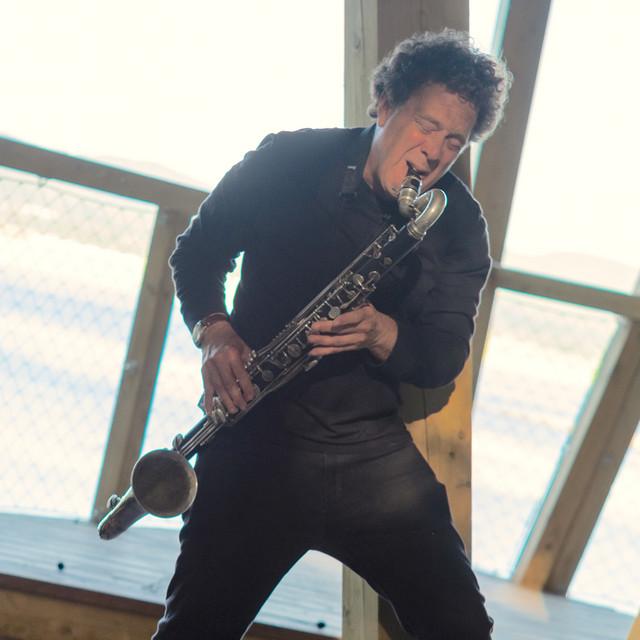
David Rothenberg

Jazz
Jazz Fusion
Free Jazz
 Viberate Rank: 234804
 Viberate Rank: 234804
 Monthly ListenersFollowers
 Subscribers
 Followers
 Followers
 FansTop Spotify Songs
| Track | 7-Day Streams | |
|---|---|---|
1 | 110 | |
2 | 110 | |
3 | 101 | |
4 | 83 | |
5 | 79 |
Top YouTube VideosMonthly ListenersFeatured in Playlists| Playlist | Followers | |
|---|---|---|
1 | Longest playlist on spotify 1000000000+ Tomholland22$ | 21.40K |
2 |  14 YEAR PLAYLIST😭😭 Compression | 7.64K |
3 | Sensory sounds for autism † | 4.60K |
4 |  ECM Records: 2001 - 2603 Ulysses' Classical | 2.92K |
5 |  Elektroniskt i P2 P2 Sveriges Radio | 2.74K |
Audience| City | Monthly Listeners | |
|---|---|---|
1 |  | 33 |
2 |  | 29 |
3 |  | 26 |
4 |  | 25 |
5 |  | 20 |
See full performance history, audience data, playlist activity, rankings, comparisons, and more in Viberate music analytics. Start with a free trial, then continue with a paid plan.
David Rothenberg’s Spotify BioDavid Rothenberg makes music live with the sounds of nature, records music with other species, and writes books and makes films about the process. He has performed and recorded with Pauline Oliveros, Peter Gabriel, Ray Phiri, Suzanne Vega, Scanner, Elliot Sharp, Umru, Iva Bittová, and the Karnataka College of Percussion. His album, One Dark Night I Left My Silent House, a duet with pianist Marilyn Crispell, on ECM, was called “une petite miracle” by Le Monde and named by The Village Voice one of the ten best CDs of 2010. Rothenberg has more than forty other recordings on numerous labels including Gruenrekorder, Clermont, and Oslo Sessions Recordings.
His books and recordings in the field of interspecies music include Why Birds Sing on birds, Whale Music on whales, Bug Music on insects and Nightingales in Berlin on one very special species of bird and the humans who make music with them. These works have been translated into many foreign languages and have been the subject of… documentary films and radio programs in many countries, including the BBC feature-length TV program Why Birds Sing and the independent documentary Nightingales in Berlin.
In 2024 he was part of the team that won a Grammy Award for For the Birds for best boxed set. It really is the best box set. Ever.
Viberate is a music analytics platform built for A&Rs, artist managers, labels, booking agents, marketers, and artists.
It helps music professionals track artist growth, analyze audience data, monitor playlist activity, compare artists, follow song performance, and identify opportunities across the music market.
Public artist pages provide a free preview of selected artist data. Paid plans provide access to deeper analytics, historical data, charts, comparisons, playlist tools, exports, alerts, reports, and additional professional features.
Yes. Public Viberate artist pages provide selected artist analytics and music data for free.
Viberate also offers a 7-day free trial of the full platform. A credit card is required to start the trial. The trial includes access to the complete product so users can test deeper artist analytics, historical views, playlist insights, comparisons, charts, exports, alerts, and reporting features before choosing a paid plan.
Viberate provides artist analytics across streaming, playlists, social media, video, radio airplay, songs, and audience markets.
Users can analyze Spotify performance, Spotify and Apple Music playlists, YouTube activity, TikTok and Instagram growth, radio spins, song performance, audience locations, demographics, rankings, and overall artist momentum.
Artist profiles also connect to music charts, similar artists, and comparison tools, helping users benchmark performance and evaluate artists in context.
Viberate updates key artist and track data daily.
For followed artists and tracks, selected data is refreshed multiple times per day. This helps teams monitor playlist changes, streaming movement, audience growth, releases, and campaign performance with more current data.
Update frequency can vary depending on the metric and data source.
Yes. Viberate lets users compare up to five artists side by side across streaming, social media, audience, and engagement metrics.
Users can compare fanbase growth, audience demographics, locations, Spotify performance, social metrics, and other artist data over selected time periods.
Artist comparison can be used for A&R scouting, benchmarking, booking decisions, campaign planning, and evaluating artists with similar audiences or market positions.