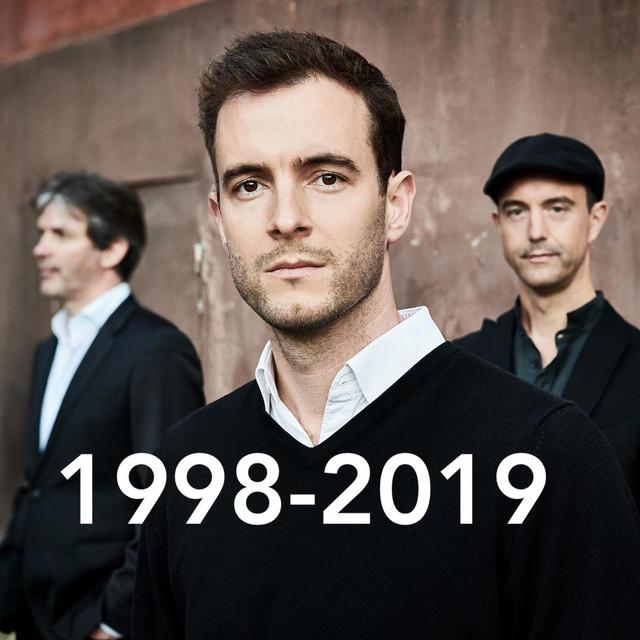
David Orlowsky

Classical
Chamber Music
Classical Crossover
 Viberate Rank: 126253
 Viberate Rank: 126253
 Monthly ListenersFollowers
 Subscribers
 Followers
 Followers
 FansTop Spotify Songs
| Track | 7-Day Streams | |
|---|---|---|
1 | 11.37K | |
2 | 11.24K | |
3 | 7.76K | |
4 | 6.42K | |
5 | 4.78K |
Top YouTube Videos| Video | 7-Day Views | |
|---|---|---|
1 | 23 |
Monthly ListenersFeatured in Playlists| Playlist | Followers | |
|---|---|---|
1 |  Classical Music For Studying & Focus Klassieke Muziek by Maestro Music | 326.34K |
2 |  Tantra sensuele Renske Raats | 33.73K |
3 |  LoFi, Chill et Relax, concentration, deep focus Topsify France | 29.52K |
4 |  Zeugs Olli Schulz | 26.20K |
5 |  Sound of Silence Filtr Austria | 10.14K |
Audience| City | Monthly Listeners | |
|---|---|---|
1 | | 2.73K |
2 |  | 1.81K |
3 | | 1.80K |
4 |  | 1.61K |
5 |  | 1.38K |
See full performance history, audience data, playlist activity, rankings, comparisons, and more in Viberate music analytics. Start with a free trial, then continue with a paid plan.
David Orlowsky’s Spotify BioIn his career spanning 25 years, he has performed on the world's important stages and has recorded eight albums as an exclusive artist for Sony Classical and Warner Classics. Four of them received the the ECHO / OPUS Klassik Award.
Whether playing Schubert with Martha Argerich, Brahms with the Danish String Quartet, or Mozart with the Netherland Radio Symphony Orchestra, David Orlowsky makes his clarinet sing like few others can.
He has also developed his own language beyond classical music.
For 21 years, he traveled the world with the David Orlowsky Trio, exploring the boundaries between classical and klezmer music. The trio captivated their audiences, whether in the Berlin Philharmonie, the Concertgebouw in Amsterdam, or Carnegie Hall in New York. After a celebrated farewell tour in 2019, it was time for a new chapter full of chamber music, new compositions, and new projects.
In his award-winning project with lutenist David Bergmüller, he delves into the worlds of Henry Purcell and John… Dowland.
In the spring of 2022, their joint album "Alter Ego" was released by Warner Classics.
On August 23rd 2024 his new album PETRICHOR will be released by Warner Classics, featuring guitarist Daniel Stelter and drummer Tommy Baldu.
Together, they have explored various scents and their impact on our psyche. The result is enchanting. The tour for the album starts on August 17th at the Schleswig-Holstein Festival.
Viberate is a music analytics platform built for A&Rs, artist managers, labels, booking agents, marketers, and artists.
It helps music professionals track artist growth, analyze audience data, monitor playlist activity, compare artists, follow song performance, and identify opportunities across the music market.
Public artist pages provide a free preview of selected artist data. Paid plans provide access to deeper analytics, historical data, charts, comparisons, playlist tools, exports, alerts, reports, and additional professional features.
Yes. Public Viberate artist pages provide selected artist analytics and music data for free.
Viberate also offers a 7-day free trial of the full platform. A credit card is required to start the trial. The trial includes access to the complete product so users can test deeper artist analytics, historical views, playlist insights, comparisons, charts, exports, alerts, and reporting features before choosing a paid plan.
Viberate provides artist analytics across streaming, playlists, social media, video, radio airplay, songs, and audience markets.
Users can analyze Spotify performance, Spotify and Apple Music playlists, YouTube activity, TikTok and Instagram growth, radio spins, song performance, audience locations, demographics, rankings, and overall artist momentum.
Artist profiles also connect to music charts, similar artists, and comparison tools, helping users benchmark performance and evaluate artists in context.
Viberate updates key artist and track data daily.
For followed artists and tracks, selected data is refreshed multiple times per day. This helps teams monitor playlist changes, streaming movement, audience growth, releases, and campaign performance with more current data.
Update frequency can vary depending on the metric and data source.
Yes. Viberate lets users compare up to five artists side by side across streaming, social media, audience, and engagement metrics.
Users can compare fanbase growth, audience demographics, locations, Spotify performance, social metrics, and other artist data over selected time periods.
Artist comparison can be used for A&R scouting, benchmarking, booking decisions, campaign planning, and evaluating artists with similar audiences or market positions.