David Lowery

Rock
Alternative Rock
Americana/Alt Country
 Viberate Rank: 292908
 Viberate Rank: 292908
 Monthly ListenersFollowers
 Subscribers
 Followers
 Followers
 FansTop Spotify Songs
| Track | 7-Day Streams | |
|---|---|---|
1 | 65 | |
2 | 59 | |
3 | 57 | |
4 | 48 | |
5 | 37 |
Top YouTube Videos| Video | 7-Day Views | |
|---|---|---|
1 | 17 |
Monthly ListenersFeatured in Playlists| Playlist | Followers | |
|---|---|---|
1 | The Galway Girl laractually | 1.62K |
2 | Jævla bra countrymusikk Erik Valebrokk | 1.08K |
Audience| City | Monthly Listeners | |
|---|---|---|
1 | | 20 |
2 | | 16 |
3 | | 14 |
4 |  | 11 |
5 | | 10 |
See full performance history, audience data, playlist activity, rankings, comparisons, and more in Viberate music analytics. Start with a free trial, then continue with a paid plan.
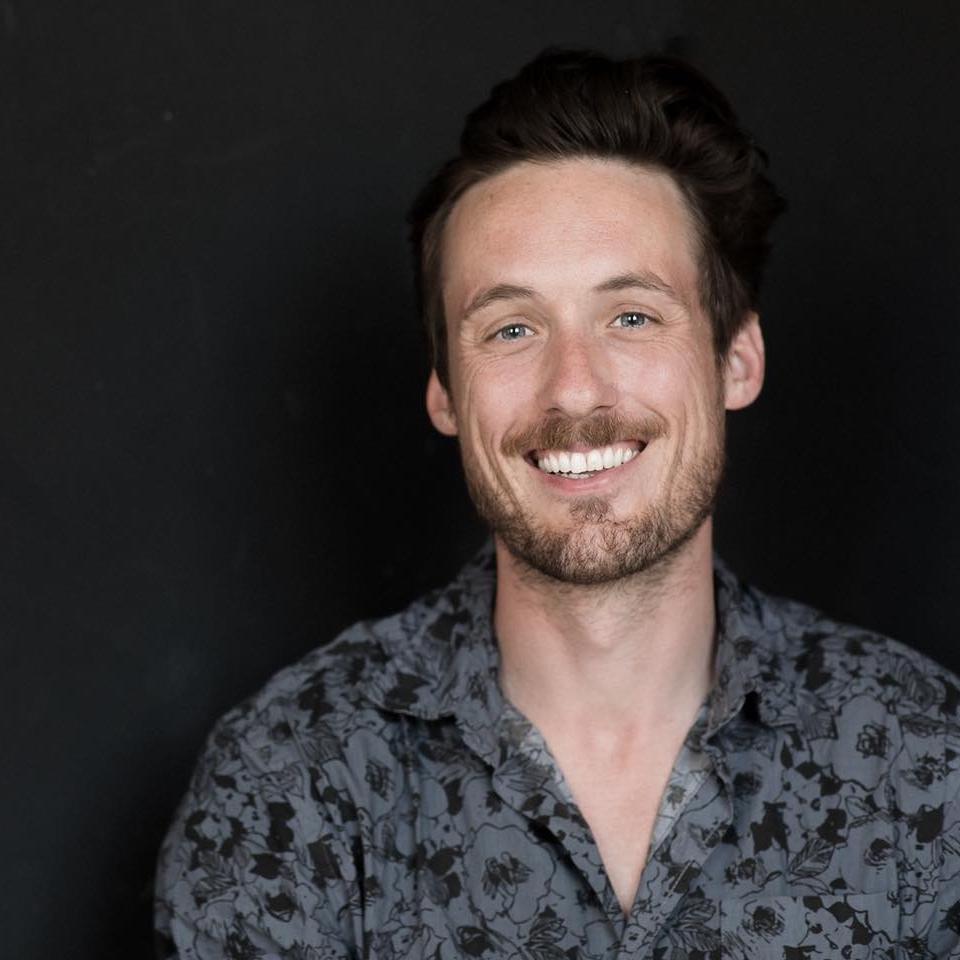
David Lowery’s Spotify BioAs the leader of Camper Van Beethoven and Cracker, David Lowery became one of the unlikely stars of alternative rock in the 1980s and ‘90s, turning his eclectic musical outlook and offbeat sense of humor into a series of songs that made his first band a favorite in underground rock circles and afforded the second a brief fling with mainstream success. Lowery was born in San Antonio, TX on September 10, 1960; his father was in the Air Force and the family moved a great deal before settling in Redlands, CA when David was a teenager. He attended the University of California Santa Cruz, and fell in with a handful of like-minded musicians, playing in a handful of short-lived bands, including Sitting Ducks and Box O'Laffs. In 1983, Lowery and guitarist/percussionist Chris Molla began working up new songs while hanging out in Redlands during summer break, and after returning to Santa Cruz, their band Box O'Laffs, with Anthony Guess on drums, evolved into Camper Van Beethoven with the addition… of bassist Victor Krummenacher, violinist and multi-instrumentalist Jonathan Segal, and guitarist Greg Lisher. After the band began developing a local following for their curious fusion of folk rock, garage rock, world music, and punk with Lowery's witty, off-kilter lyrics tying the elements together, they recorded their debut album, Telephone Free Landslide Victory, in 1985 for L.A.-based Independent Project Records. The album became a critical favorite and earned plenty of college radio airplay for the song "Take the Skinheads Bowling," making CBV a small-scale underground success story. CBV toured frequently (including a major tour opening for R.E.M.) and released two more full-length albums on their own Pitch-A-Tent label, II & III and Camper Van Beethoven, before signing with IRS Records in 1988. Their first major-label album, Our Beloved Revolutionary Sweetheart, earned the band a minor MTV and college radio hit, "Eye of Fatima (Pt. 2)," but the group began to splinter during the recording of the follow-up, 1989's Key Lime Pie, which was dominated by guest musicians. While the album's cover of "Pictures of Matchstick Men" was a minor hit, it came too late to save the band, which called it quits in 1990.
In 1991, Lowery relocated to Richmond, VA and dove back into music by forming a new band, Cracker, with guitarist Johnny Hickman (an old friend from the Santa Cruz scene) and bassist Davey Faragher (who worked with the final lineup of CVB). Compared to Camper Van Beethoven, Cracker was a much more straightforward rock & roll band, though the lyrics still reflected Lowery's quirky and sometimes wise-ass sense of humor, and the music had a pronounced rooty bent. The group's self-titled debut, recorded with a handful of sessionmen holding down the drums, was released by Virgin Records in 1992 and fared well on MTV and alternative radio thanks to the single "Teen Angst (What the World Needs Now)," and the follow-up, 1993's Kerosene Hat, introduced the band to the mainstream when the singles "Low" and "Get Off This" became a break-out radio hits and the album went platinum. While Cracker remained active, they never managed to duplicate the success of Kerosene Hat, and after 1998's Gentleman's Blues, the group left Virgin to record for a variety of independent labels. (In 2006, Virgin assembled the compilation Get on with It: The Best of Cracker without the band's participation; Lowery and company responded by re-recording the group's best-known songs for a disc called Greatest Hits Redux, which was released at the same time and outsold the Virgin set.)
In 1999, Lowery partnered with Victor Krummenacher and Jonathan Segal to assemble a Camper Van Beethoven rarities collection, Camper Van Beethoven Is Dead: Long Live Camper Van Beethoven. A few tracks were re-recorded for the album, and in 2002, they released Cigarettes and Carrot Juice: The Santa Cruz Years, a box set that collected CBV's pre-IRS catalog along with a set of rarities and a disc of unreleased live recordings. To support the release of the set, Camper Van Beethoven re-formed to play a handful of live shows, and the group has remained sporadically active ever since, with Lowery dividing his time between the two bands on the road and in the studio (and occasionally pairing them together on the same bill).
When not occupied with his two bands, Lowery is a part-owner of a recording studio in Richmond, VA, Sound of Music Recording. Lowery has also established himself as a producer, working in the studio with Counting Crows, Sparklehorse, Magnolia Electric Co., Modern Skirts, Carbon Leaf, and many more. Lowery made his long-awaited solo debut in 2011 with his first album released under his own name, The Palace Guards. ~ Mark Deming, Rovi
Viberate is a music analytics platform built for A&Rs, artist managers, labels, booking agents, marketers, and artists.
It helps music professionals track artist growth, analyze audience data, monitor playlist activity, compare artists, follow song performance, and identify opportunities across the music market.
Public artist pages provide a free preview of selected artist data. Paid plans provide access to deeper analytics, historical data, charts, comparisons, playlist tools, exports, alerts, reports, and additional professional features.
Yes. Public Viberate artist pages provide selected artist analytics and music data for free.
Viberate also offers a 7-day free trial of the full platform. A credit card is required to start the trial. The trial includes access to the complete product so users can test deeper artist analytics, historical views, playlist insights, comparisons, charts, exports, alerts, and reporting features before choosing a paid plan.
Viberate provides artist analytics across streaming, playlists, social media, video, radio airplay, songs, and audience markets.
Users can analyze Spotify performance, Spotify and Apple Music playlists, YouTube activity, TikTok and Instagram growth, radio spins, song performance, audience locations, demographics, rankings, and overall artist momentum.
Artist profiles also connect to music charts, similar artists, and comparison tools, helping users benchmark performance and evaluate artists in context.
Viberate updates key artist and track data daily.
For followed artists and tracks, selected data is refreshed multiple times per day. This helps teams monitor playlist changes, streaming movement, audience growth, releases, and campaign performance with more current data.
Update frequency can vary depending on the metric and data source.
Yes. Viberate lets users compare up to five artists side by side across streaming, social media, audience, and engagement metrics.
Users can compare fanbase growth, audience demographics, locations, Spotify performance, social metrics, and other artist data over selected time periods.
Artist comparison can be used for A&R scouting, benchmarking, booking decisions, campaign planning, and evaluating artists with similar audiences or market positions.