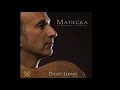
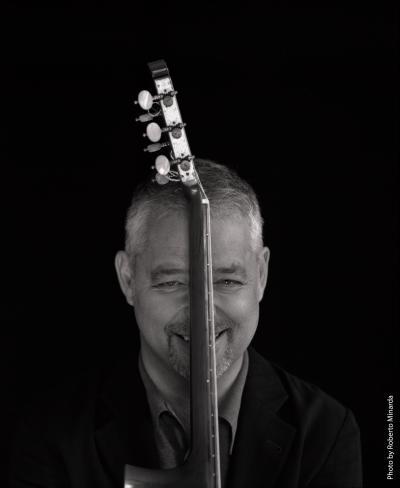
David Leisner

Classical
Classical Crossover
Chamber Music
 Viberate Rank: 409282
 Viberate Rank: 409282
 Monthly ListenersFollowers
 Subscribers
 Followers
 Followers
 FansTop Spotify Songs
| Track | 7-Day Streams | |
|---|---|---|
1 | 559 | |
2 | 298 | |
3 | 118 | |
4 | 86 | |
5 | 36 |
Top YouTube Videos| Video | 7-Day Views | |
|---|---|---|
1 | 25 | |
2 | 16 | |
3 | 13 | |
4 | 9 | |
5 | 8 |
Monthly ListenersFeatured in Playlists| Playlist | Followers | |
|---|---|---|
1 |  NPR Classical NPR Music | 14.43K |
2 |  Classical Guitar Chill Florecilla | 4.27K |
3 |  Classical Guitar - Solo John Willingham | 1.59K |
4 |  Calm/Tranquil Chamber Music synergy555 | 1.50K |
Audience| City | Monthly Listeners | |
|---|---|---|
1 | | 17 |
2 | | 10 |
3 |  | 10 |
4 |  | 10 |
5 | | 9 |
See full performance history, audience data, playlist activity, rankings, comparisons, and more in Viberate music analytics. Start with a free trial, then continue with a paid plan.
David Leisner’s Spotify BioDavid Leisner is among the world's most respected guitarists and guitar teachers. He is also a noted composer, often creating music by commission for other notable musicians. Leisner has a growing catalog of recordings as a soloist, chamber musician, and composer. In 2024, he issued the solo album Charms to Soothe: 19th Century Music for Guitar.
Leisner was born on December 22, 1953, in Los Angeles. He began his musical life on violin but became enamored with the guitar as a teenager and dove into flamenco and classical music. As a composer and guitarist, he was primarily self-taught and attended Wesleyan University as a music major. He had short periods of study with guitarists John Duarte, David Starobin, and Angelo Gilardino, and composers Virgil Thomson, Richard Winslow, and David Del Tredici. Leisner captured prizes at the Toronto (1975) and the Geneva International Guitar Competitions (1981). He took a teaching position at the New England Conservatory in 1980 (remaining there… until 2003). Several compositions appeared during this time, including Dances in the Madhouse for violin and guitar (1982), the song cycle Simple Songs (1982), on Emily Dickinson poems, and Three Moons for cello and guitar (1984). As a composer, he won grants from the Aaron Copland Fund for Music, the American Music Center, and Meet the Composer, among others.
In 1984, Leisner noticed a loss in speed during the last two months of the concert season. As he practiced, he found that his hand was responding less and less well. While giving a concert in Oregon the following season, which included the Villa-Lobos Etudes, he discovered that he could not get the two outer fingers of his right hand to respond. He got through the difficult music by improvising new right-hand fingering on the spot, in what he calls a "harrowing experience." After that, he began canceling upcoming concerts and finally stopped performing altogether. Ultimately, his outer two fingers would curl up uselessly into his palm when he played. The most common diagnosis was focal dystopia. Following his diagnosis, Leisner spent the next five years seeking a cure with specialists in Western and Eastern medical techniques such as chiropractic, Shiatsu, myotherapy, and a deep muscle massage called Hoshino. None of them helped, and he has said, the Hoshino actually damaged his hand further.
After the Hoshino, Leisner decided to seek the answer within himself, beginning with clearing his mind and becoming more aware of the mind-body link. He noticed that his right hand was turning clockwise to the palm up more than normal. Consciously turning his arm in the opposite direction began to improve the affected fingers. He began to feel more confident about the three operational fingers. Finding that he could arrange music to avoid the two disabled fingers, he began playing public recitals again in 1991. To avoid overstressing the muscles of the usable fingers, he began to rely more on the larger muscles of the forearm and less on the hand muscles and knuckles. He would accomplish finger strokes by pulling the weight of the arm upward towards the face and letting the weight fall back on downward thumb strokes. Experts said this resulted in too much hand movement, but it eliminated tension from the wrist and hand and resulted in a much louder, richer tone, and it began freeing the affected fingers; by 1996, he was cured of the condition. Leisner continues to advocate that all musicians should try to base their technique on large muscle groups, which led to his book Playing with Ease: A Healthy Approach to Guitar Technique, published in 2018.
In 1998, Leisner signed a contract with the Azica label, which he recorded on well into the 21st century. Among his releases on the label are Villa-Lobos: Complete Guitar Works (2000), David Leisner: Self-Portrait (2006), and Arpeggione (2016), with cellist Zuill Bailey. From 2008 until 2019, Leisner was the artistic director of the New York concert series Guitar Plus. In 2022, he backed baritone Michael Kelly on a recording of Leisner's arrangement of Schubert's Die schöne Müllerin on Bright Shiny Things. He has continued composing along with his performing and teaching career, often on commission, including As Wind in Shells for soprano, violin, and guitar (2023), commissioned by guitarist Robert Nathanson. In 2024, Leisner returned on Azica Records with the album Charms to Soothe, featuring guitar music from the 19th century. Since 1993, he has been on the guitar faculty at the Manhattan School of Music. ~ Keith Finke & Joseph Stevenson, Rovi
Viberate is a music analytics platform built for A&Rs, artist managers, labels, booking agents, marketers, and artists.
It helps music professionals track artist growth, analyze audience data, monitor playlist activity, compare artists, follow song performance, and identify opportunities across the music market.
Public artist pages provide a free preview of selected artist data. Paid plans provide access to deeper analytics, historical data, charts, comparisons, playlist tools, exports, alerts, reports, and additional professional features.
Yes. Public Viberate artist pages provide selected artist analytics and music data for free.
Viberate also offers a 7-day free trial of the full platform. A credit card is required to start the trial. The trial includes access to the complete product so users can test deeper artist analytics, historical views, playlist insights, comparisons, charts, exports, alerts, and reporting features before choosing a paid plan.
Viberate provides artist analytics across streaming, playlists, social media, video, radio airplay, songs, and audience markets.
Users can analyze Spotify performance, Spotify and Apple Music playlists, YouTube activity, TikTok and Instagram growth, radio spins, song performance, audience locations, demographics, rankings, and overall artist momentum.
Artist profiles also connect to music charts, similar artists, and comparison tools, helping users benchmark performance and evaluate artists in context.
Viberate updates key artist and track data daily.
For followed artists and tracks, selected data is refreshed multiple times per day. This helps teams monitor playlist changes, streaming movement, audience growth, releases, and campaign performance with more current data.
Update frequency can vary depending on the metric and data source.
Yes. Viberate lets users compare up to five artists side by side across streaming, social media, audience, and engagement metrics.
Users can compare fanbase growth, audience demographics, locations, Spotify performance, social metrics, and other artist data over selected time periods.
Artist comparison can be used for A&R scouting, benchmarking, booking decisions, campaign planning, and evaluating artists with similar audiences or market positions.