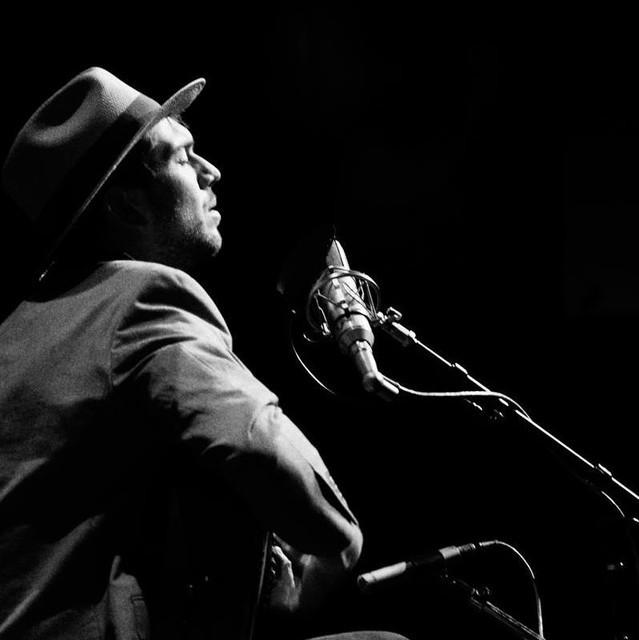
David Jacobs-Strain

Blues
Contemporary Blues
 Viberate Rank: 346124
 Viberate Rank: 346124
 Monthly ListenersFollowers
 Subscribers
 Followers
 Followers
 FansTop Spotify Songs
| Track | 7-Day Streams | |
|---|---|---|
1 | 192 | |
2 | 62 | |
3 | 52 | |
4 | 20 | |
5 | 15 |
Top YouTube VideosMonthly ListenersFeatured in Playlists| Playlist | Followers | |
|---|---|---|
1 | Bluegrass 1258178990 | 7.83K |
2 |  wave of good noise - all songs wave of good noise | 6.81K |
3 |  Hunt: Showdown Playlist Brandon | 6.01K |
4 |  Hillbilly Murder Music Tim Walker | 4.95K |
5 | MOONRYDE Dario Ferracci | 4.80K |
Audience| City | Monthly Listeners | |
|---|---|---|
1 | | 44 |
2 | | 14 |
3 | | 12 |
4 | | 12 |
5 | | 10 |
See full performance history, audience data, playlist activity, rankings, comparisons, and more in Viberate music analytics. Start with a free trial, then continue with a paid plan.
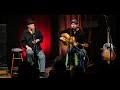
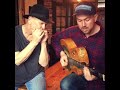
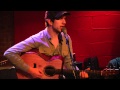
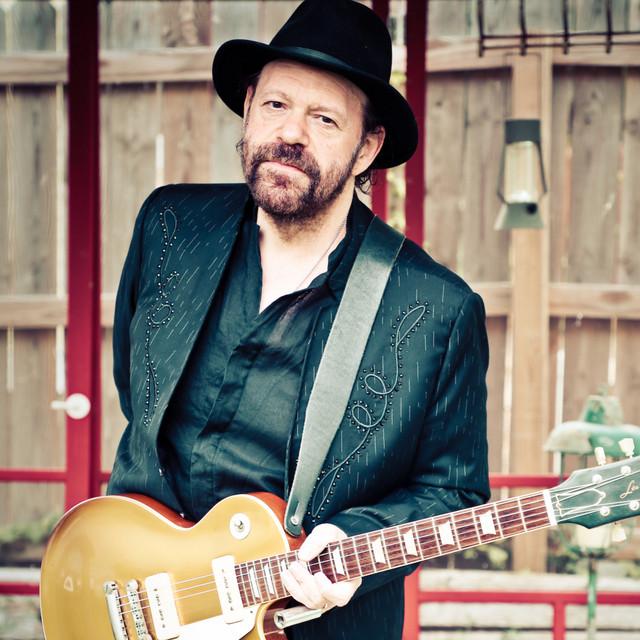
David Jacobs-Strain’s Spotify BioDavid Jacobs-Strain has proven to be a breath of fresh air on both the folk festival and blues festival circuits, as his guitar playing style fuses elements of both traditional and contemporary folk and blues. Born in Connecticut but moving to Eugene, Oregon with his family, Jacobs-Strain graduated from South Eugene High School in 2001 and attended college in Northern California.
He began accompanying himself on guitar while singing as a nine-year-old, with plenty of encouragement from his guitar teacher, Eugene-area folksinger Emily Fox. Among the first tunes he learned was Bessie Smith's "Backwater Blues," and he became more fascinated with blues than he was with traditional folk music. His parents took him to see live shows by Taj Mahal and Walker T. Ryan at the local theater, and he also expanded his knowledge of the blues by listening to old acoustic blues masters like Mississippi Fred McDowell, Lightnin' Hopkins, Robert Johnson, and Skip James. Another regional influence was… Northern California-based guitarist Bob Brozman, who played in Eugene's theater and inspired Jacobs-Strain to learn to play slide guitar. A year later, Jacobs-Strain opened for Brozman at the same theater. By the time he was 12, he had been performing publicly for two years, and by the time he was a junior in high school, he'd played at Biscuits & Blues in San Francisco.
Also at 12, he attended his first Port Townsend Country Blues Workshop, and he was accomplished enough that by 1999 and 2000, he was the workshop's youngest-ever faculty member, teaching alongside people he'd long idolized: John Cephas, Del Rey, John Jackson, Steve James, and Alvin Youngblood Hart. Jacobs-Strain also studied at the IGS Acoustic Guitar Workshop with Brozman, Martin Simpson, John Renbourn, and Woody Mann. These workshops allowed him to further explore his interests beyond blues to include the roots music of India, Africa, the Middle East, and the folk music of Appalachia and the British Isles. In 2001 he was appointed a faculty member at the Augusta Heritage Center in Elkins, West Virginia, and has performed at Merlefest in North Carolina, the prestigious Philadelphia Folk Festival, and New York's Winterhawk..
If you like acoustic blues in the tradition of Americans like Brozman, Dave Van Ronk, or Stefan Grossman, you'll appreciate Jacobs-Strain's eclectic approach. His recordings include an indie release, First Friday Live in 1998; Eugene Blues: An Anthology in 1999; Skin and Bones in 1999 for Burnside Records; Stuck on the Way Back in 2002 and Ocean or a Tear Drop in 2004 for Northern Blues Music; and Liar's Day, a 2008 independently released recording. Jacobs-Strain continues to tour and record, turning new generations on to the complex yet simple beauty of the blues. ~ Richard Skelly, Rovi
Viberate is a music analytics platform built for A&Rs, artist managers, labels, booking agents, marketers, and artists.
It helps music professionals track artist growth, analyze audience data, monitor playlist activity, compare artists, follow song performance, and identify opportunities across the music market.
Public artist pages provide a free preview of selected artist data. Paid plans provide access to deeper analytics, historical data, charts, comparisons, playlist tools, exports, alerts, reports, and additional professional features.
Yes. Public Viberate artist pages provide selected artist analytics and music data for free.
Viberate also offers a 7-day free trial of the full platform. A credit card is required to start the trial. The trial includes access to the complete product so users can test deeper artist analytics, historical views, playlist insights, comparisons, charts, exports, alerts, and reporting features before choosing a paid plan.
Viberate provides artist analytics across streaming, playlists, social media, video, radio airplay, songs, and audience markets.
Users can analyze Spotify performance, Spotify and Apple Music playlists, YouTube activity, TikTok and Instagram growth, radio spins, song performance, audience locations, demographics, rankings, and overall artist momentum.
Artist profiles also connect to music charts, similar artists, and comparison tools, helping users benchmark performance and evaluate artists in context.
Viberate updates key artist and track data daily.
For followed artists and tracks, selected data is refreshed multiple times per day. This helps teams monitor playlist changes, streaming movement, audience growth, releases, and campaign performance with more current data.
Update frequency can vary depending on the metric and data source.
Yes. Viberate lets users compare up to five artists side by side across streaming, social media, audience, and engagement metrics.
Users can compare fanbase growth, audience demographics, locations, Spotify performance, social metrics, and other artist data over selected time periods.
Artist comparison can be used for A&R scouting, benchmarking, booking decisions, campaign planning, and evaluating artists with similar audiences or market positions.