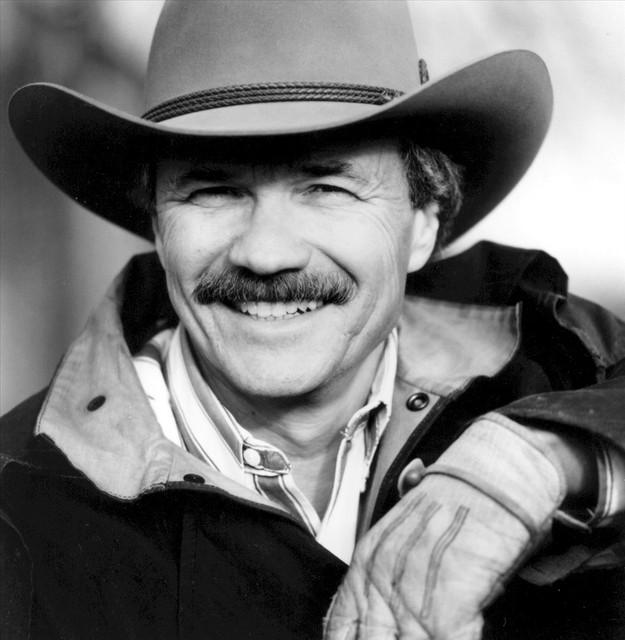
David Gates

Rock
Pop Rock
Americana/Alt Country
 Viberate Rank: 32349
 Viberate Rank: 32349
 Monthly ListenersFollowers
 Subscribers
 Followers
 Followers
 FansTop Spotify Songs
| Track | 7-Day Streams | |
|---|---|---|
1 | 324.10K | |
2 | 115.82K | |
3 | 42.17K | |
4 | 16.38K | |
5 | 13.88K |
Top YouTube VideosMonthly ListenersFeatured in Playlists| Playlist | Followers | |
|---|---|---|
1 |  Soft Rock Spotify | 3.55M |
2 |  UV Express Playlist Jan Carlo Dela Peña | 191.59K |
3 | Carpenters, Kenny Rogers, Air Supply q2jmybc1gdkj063yiwi92rzbu | 174.23K |
4 |  real good shit Tom Misch | 165.62K |
5 | Air Supply , Bee Gees, Bread and The Carpenters Abujing 😍 | 155.47K |
Audience| City | Monthly Listeners | |
|---|---|---|
1 |  | 57.90K |
2 | | 43.74K |
3 | | 39.45K |
4 | | 30.44K |
5 | | 26.78K |
See full performance history, audience data, playlist activity, rankings, comparisons, and more in Viberate music analytics. Start with a free trial, then continue with a paid plan.
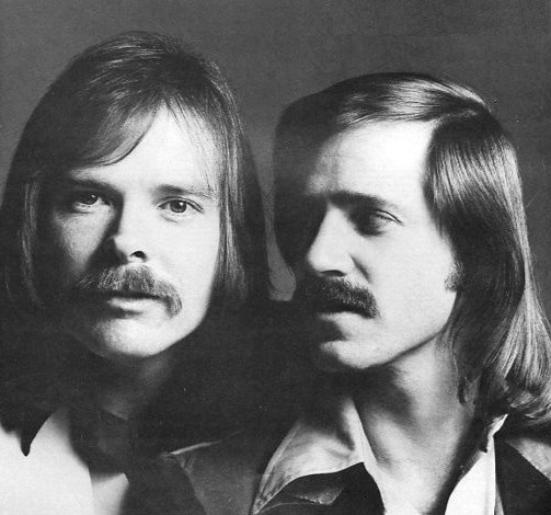
David Gates’ Spotify BioA member of the popular late-'60s/early-'70s soft rock group Bread, David Gates is also a songwriter, keyboardist, vocalist, and producer. His first hit as a songwriter came with the popular Murmaids song "Popsicles and Icicles." Gates was born in Tulsa, OK, to a band director and a piano teacher. Surrounded by music from birth, he was proficient in piano, bass, and guitar by the time he was in high school. In 1957, he received a musical break when Chuck Berry came to Tulsa; Gates had his first hit, "Jo-Baby," with Chuck Berry. The song was written for Gates' high-school sweetheart, Jo Rita, whom he married and had children with while enrolled at the University of Oklahoma. In 1961, the family moved to Los Angeles, and Gates embarked on a career of songwriting and producing. By the end of the '60s, he had worked with Elvis Presley, Bobby Darin, and Merle Haggard, and produced the 1965 Glenn Yarbrough hit "Baby the Rain Must Fall."
Realizing that the only way his songs were sure to be… recorded was to sing them himself, Gates founded Bread in 1968; the group consisted of Gates, James Griffin, Robb Royer, and later, drummer Michael Botts and keyboardist Larry Knechtel. The group's first album, Bread, was released in 1969 and featured the hits "It Don't Matter to Me" and "Dismal Day," while their second album On The Waters featured "Make It with You." Soft rock hits became Bread's trademark and made them legends. Greater success and recognition came with the 1971 album Manna, which included the smash hit "If." Following the popular albums Guitar Man and Baby, I'm-a Want You, the group's success led the bandmembers in different directions, and they pursued their own solo interests and careers after the breakup of Bread in 1973, but the band regrouped in 1977 to issue the album Lost Without Your Love.
David Gates had released albums of his own during the '70s, First in 1973 and Never Let Her Go in 1975, and his songs -- including "The Goodbye Girl" from Neil Simon's play of the same name -- landed him on the contemporary music charts. Several of his songs have also been recorded by other artists ranging from Julio Iglesias to pop/rocker Boy George. "Everything I Own," a tribute to his father as his greatest influence, was recorded by Nashville artists the Kendalls and Joe Stampley and then by Boy George. His consistent songwriting ability demonstrates versatility while crossing over musical genres. With a recording studio on his California ranch, David Gates has continued to write and produce. He issued Love Is Always Seventeen on the Discovery Records label in 1994, and the new millennium saw the release of The David Gates Songbook, an Elektra best-of collection of Bread hits, Gates solo material, and four new songs, in 2002. ~ Kim Summers, Rovi
Viberate is a music analytics platform built for A&Rs, artist managers, labels, booking agents, marketers, and artists.
It helps music professionals track artist growth, analyze audience data, monitor playlist activity, compare artists, follow song performance, and identify opportunities across the music market.
Public artist pages provide a free preview of selected artist data. Paid plans provide access to deeper analytics, historical data, charts, comparisons, playlist tools, exports, alerts, reports, and additional professional features.
Yes. Public Viberate artist pages provide selected artist analytics and music data for free.
Viberate also offers a 7-day free trial of the full platform. A credit card is required to start the trial. The trial includes access to the complete product so users can test deeper artist analytics, historical views, playlist insights, comparisons, charts, exports, alerts, and reporting features before choosing a paid plan.
Viberate provides artist analytics across streaming, playlists, social media, video, radio airplay, songs, and audience markets.
Users can analyze Spotify performance, Spotify and Apple Music playlists, YouTube activity, TikTok and Instagram growth, radio spins, song performance, audience locations, demographics, rankings, and overall artist momentum.
Artist profiles also connect to music charts, similar artists, and comparison tools, helping users benchmark performance and evaluate artists in context.
Viberate updates key artist and track data daily.
For followed artists and tracks, selected data is refreshed multiple times per day. This helps teams monitor playlist changes, streaming movement, audience growth, releases, and campaign performance with more current data.
Update frequency can vary depending on the metric and data source.
Yes. Viberate lets users compare up to five artists side by side across streaming, social media, audience, and engagement metrics.
Users can compare fanbase growth, audience demographics, locations, Spotify performance, social metrics, and other artist data over selected time periods.
Artist comparison can be used for A&R scouting, benchmarking, booking decisions, campaign planning, and evaluating artists with similar audiences or market positions.