David Friedman

Jazz
Free Jazz
Tango
 Viberate Rank: 383281
 Viberate Rank: 383281
 Monthly ListenersFollowers
 Subscribers
 Followers
 Followers
 FansTop Spotify Songs
| Track | 7-Day Streams | |
|---|---|---|
1 | 212 | |
2 | 91 | |
3 | 71 | |
4 | 55 | |
5 | 50 |
Top YouTube VideosMonthly ListenersFeatured in Playlists| Playlist | Followers | |
|---|---|---|
1 | Soft Jazz and Blues... or just melting gita1503 | 19.48K |
2 | Music for Writing Hans-Peter Akkerman | 5.84K |
3 | ECM RECORDS Artists On Spotify [www.laut.fm/gubifm] www.laut.fm/gubifm | 4.08K |
4 | Hearts of Space Music thezel | 4.06K |
5 |  Tango Jazz | When Jazz Meets Tango | Jazz & Tango | Jazztango | Jazzy Milongas The Playlist Factory | 3.73K |
Audience| City | Monthly Listeners | |
|---|---|---|
1 |  | 42 |
2 |  | 39 |
3 |  | 22 |
4 |  | 17 |
5 |  | 15 |
See full performance history, audience data, playlist activity, rankings, comparisons, and more in Viberate music analytics. Start with a free trial, then continue with a paid plan.
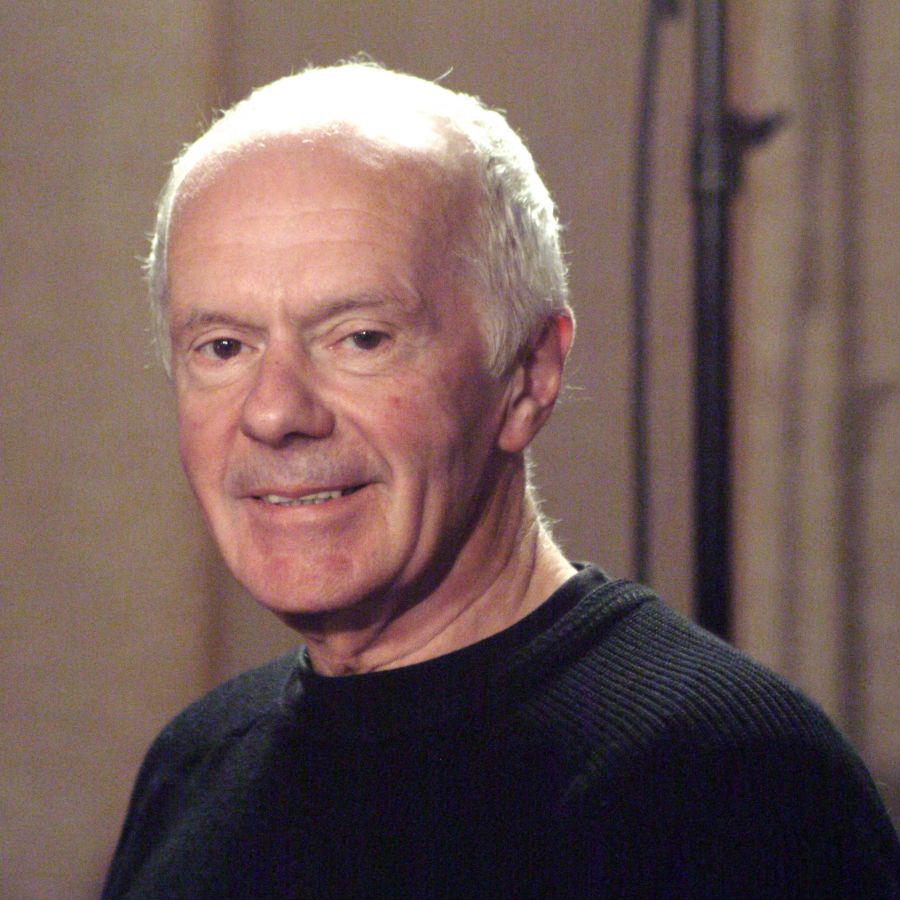
David Friedman’s Spotify BioVibraphonist and marimba player David Friedman has recorded and played extensively since the early '70s. He studied drums in the mid-'50s, and marimba and xylophone in the '60s. Friedman attended Juilliard, with major emphasis on percussion. He was also tutored by Teddy Charles and Hall Overton. Friedman played with the New York Philharmonic and Metropolitan Opera in the '60s, then worked with Wayne Shorter, Horace Silver, Joe Chambers, Hubert Laws, and Horacee Arnold in the '70s. After touring and participating in Ludwig Drum Company workshops with Dave Samuels, Friedman and Samuels formed the Mallet Duo in 1975 and co-led the quartet Double Image from 1977 to 1980. Friedman recorded with Daniel Humair in 1979 and Chet Baker in 1982. He was an instructor at New York's Manhattan School of Music and Montreux's Institute for Advanced Musical Studies in the mid-'70s. Friedman has remained active in education, composing, performing, and recording into the 21st century, and formed his trio… Tambour -- featuring saxophonist Peter Weniger and bassist Pepe Berns -- in 2003. Tambour issued their first CD, Earfood, in January of the following year; accordionist Jean-Louis Matinier was added to the lineup for Rodney's Parallel Universe, released in 2007. ~ Ron Wynn, Rovi
Viberate is a music analytics platform built for A&Rs, artist managers, labels, booking agents, marketers, and artists.
It helps music professionals track artist growth, analyze audience data, monitor playlist activity, compare artists, follow song performance, and identify opportunities across the music market.
Public artist pages provide a free preview of selected artist data. Paid plans provide access to deeper analytics, historical data, charts, comparisons, playlist tools, exports, alerts, reports, and additional professional features.
Yes. Public Viberate artist pages provide selected artist analytics and music data for free.
Viberate also offers a 7-day free trial of the full platform. A credit card is required to start the trial. The trial includes access to the complete product so users can test deeper artist analytics, historical views, playlist insights, comparisons, charts, exports, alerts, and reporting features before choosing a paid plan.
Viberate provides artist analytics across streaming, playlists, social media, video, radio airplay, songs, and audience markets.
Users can analyze Spotify performance, Spotify and Apple Music playlists, YouTube activity, TikTok and Instagram growth, radio spins, song performance, audience locations, demographics, rankings, and overall artist momentum.
Artist profiles also connect to music charts, similar artists, and comparison tools, helping users benchmark performance and evaluate artists in context.
Viberate updates key artist and track data daily.
For followed artists and tracks, selected data is refreshed multiple times per day. This helps teams monitor playlist changes, streaming movement, audience growth, releases, and campaign performance with more current data.
Update frequency can vary depending on the metric and data source.
Yes. Viberate lets users compare up to five artists side by side across streaming, social media, audience, and engagement metrics.
Users can compare fanbase growth, audience demographics, locations, Spotify performance, social metrics, and other artist data over selected time periods.
Artist comparison can be used for A&R scouting, benchmarking, booking decisions, campaign planning, and evaluating artists with similar audiences or market positions.