David Finck

Jazz
Smooth Jazz
Big band Jazz
 Viberate Rank: 233065
 Viberate Rank: 233065
 Monthly ListenersFollowers
 Subscribers
 Followers
 Followers
 FansTop Spotify Songs
| Track | 7-Day Streams | |
|---|---|---|
1 | 7.47K | |
2 | 4.08K | |
3 | 1.91K | |
4 | 1.74K | |
5 | 1.69K |
Top YouTube VideosMonthly ListenersFeatured in Playlists| Playlist | Followers | |
|---|---|---|
1 |  Good Morning Jazz Spotify | 449.09K |
2 |  Jazzy Dinner Spotify | 417.93K |
3 |  This is Gershwin Spotify | 96.72K |
4 |  MY JAZZ ATTEMPT Sound Atlas | 59.76K |
5 |  Caribou - The Longest Mixtape: 1000+ Songs For You Caribou | 53.23K |
Audience| City | Monthly Listeners | |
|---|---|---|
1 |  | 486 |
2 | | 469 |
3 |  | 334 |
4 | | 323 |
5 |  | 311 |
See full performance history, audience data, playlist activity, rankings, comparisons, and more in Viberate music analytics. Start with a free trial, then continue with a paid plan.
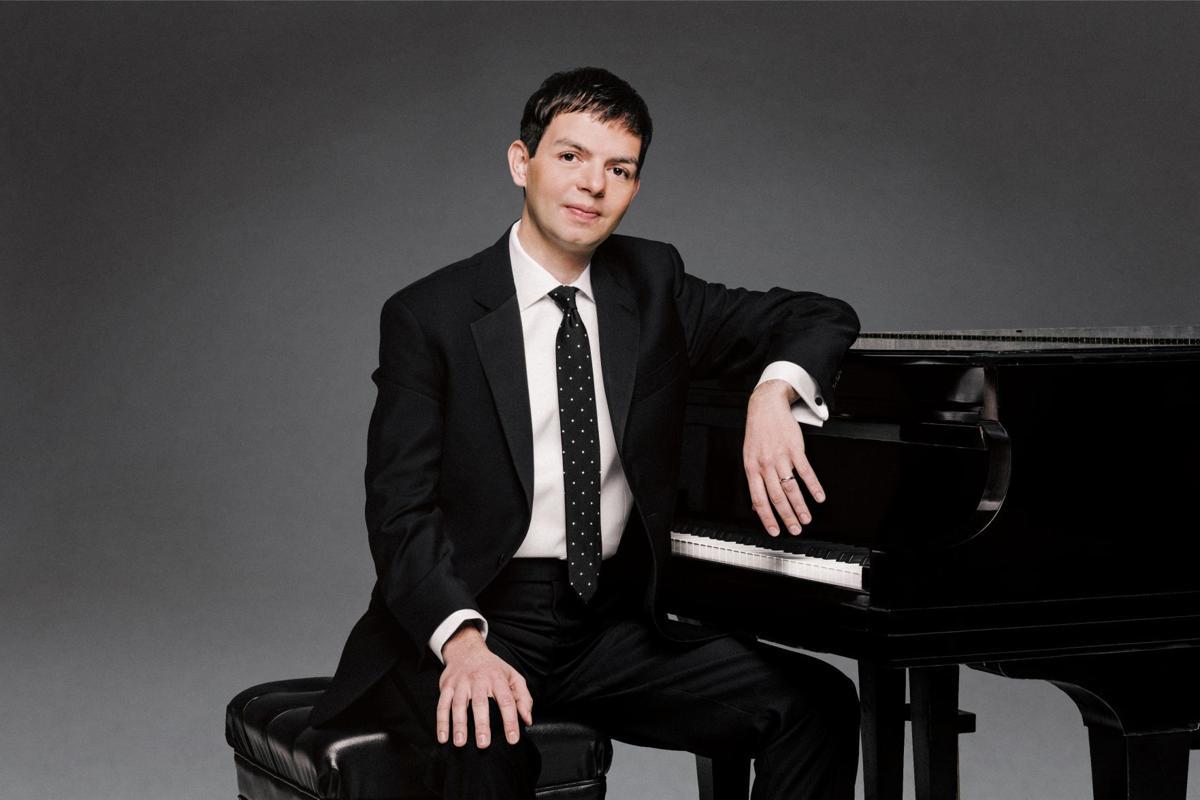
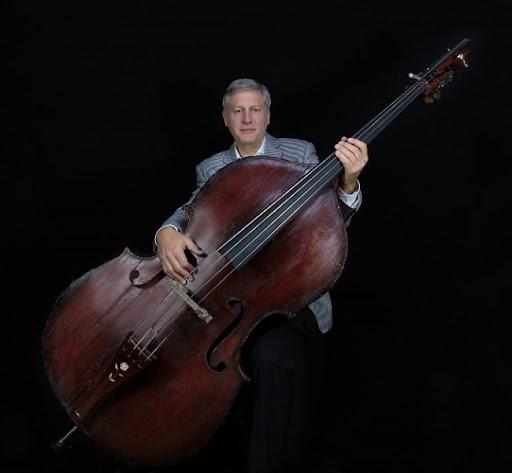
David Finck’s Spotify BioA gifted New York-based bassist and bandleader, David Finck is known for his sophisticated, straight-ahead acoustic jazz albums. Initially emerging as a session and touring performer in the 1980s, Finck has worked with a bevy of Grammy-winning pop and jazz performers including Rod Stewart, Natalie Cole, André Previn, and Elton John, among others. As a solo artist, he leads his own small groups and has garnered praise for albums like 2008's Future Day, 2017's Low Standards, and 2019's Bassically Jazz.
Born in 1958 in Rochester, New York, Finck grew up in a musical family and first began playing bass at age ten. As a teenager, he studied privately with both Michael Shahan and Sam Goradetzer of the Philadelphia Orchestra. After high school, he earned his degree from Eastman School of Music and toured with Woody Herman before moving to New York in 1981. As a sideman, Finck has built an impressive array of credits performing and/or recording with artists from across the musical spectrum,… including Michel Legrand, Tony Bennett, Elton John, Herbie Hancock, Natalie Cole, Dizzy Gillespie, Rod Stewart, Dionne Warwick, Rosemary Clooney, Jon Secada, Paquito D'Rivera, and many more. Along with his own jazz work, since the '90s he has recorded regularly as a member of pianist Steve Kuhn's band. He also paired with pianist André Previn for a series of dates, including 1998's We Got Rhythm: Gershwin Songbook, 1999's We Got It Bad and That Ain't Good: An Ellington Songbook, and 2001's concert album Live at the Jazz Standard.
As a leader, Finck made his debut in 2008 with the quartet album Future Day, featuring vibraphonist Joe Locke, pianist Tom Ranier, and drummer Joe La Barbera. Three years later, he paired with pianist Roger Davidson for the tribute album Umbrellas & Sunshine: The Music of Michel Legrand. He then joined guitarist Tisziji Munoz for a series of recordings before returning in 2017 with two albums: Low Standards, featuring pianist Gary Versace and drummer Carl Allen, and The Deep, a duo effort with pianist Shelly Berg. In 2019, Finck issued Bassically Jazz, which included guest spots from vocalists Linda Eder and Alexis Cole. ~ Matt Collar, Rovi
Viberate is a music analytics platform built for A&Rs, artist managers, labels, booking agents, marketers, and artists.
It helps music professionals track artist growth, analyze audience data, monitor playlist activity, compare artists, follow song performance, and identify opportunities across the music market.
Public artist pages provide a free preview of selected artist data. Paid plans provide access to deeper analytics, historical data, charts, comparisons, playlist tools, exports, alerts, reports, and additional professional features.
Yes. Public Viberate artist pages provide selected artist analytics and music data for free.
Viberate also offers a 7-day free trial of the full platform. A credit card is required to start the trial. The trial includes access to the complete product so users can test deeper artist analytics, historical views, playlist insights, comparisons, charts, exports, alerts, and reporting features before choosing a paid plan.
Viberate provides artist analytics across streaming, playlists, social media, video, radio airplay, songs, and audience markets.
Users can analyze Spotify performance, Spotify and Apple Music playlists, YouTube activity, TikTok and Instagram growth, radio spins, song performance, audience locations, demographics, rankings, and overall artist momentum.
Artist profiles also connect to music charts, similar artists, and comparison tools, helping users benchmark performance and evaluate artists in context.
Viberate updates key artist and track data daily.
For followed artists and tracks, selected data is refreshed multiple times per day. This helps teams monitor playlist changes, streaming movement, audience growth, releases, and campaign performance with more current data.
Update frequency can vary depending on the metric and data source.
Yes. Viberate lets users compare up to five artists side by side across streaming, social media, audience, and engagement metrics.
Users can compare fanbase growth, audience demographics, locations, Spotify performance, social metrics, and other artist data over selected time periods.
Artist comparison can be used for A&R scouting, benchmarking, booking decisions, campaign planning, and evaluating artists with similar audiences or market positions.