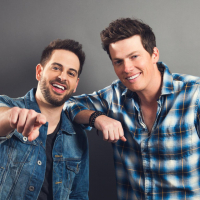
David Fanning

Country
Contemporary Country
Mainstream Pop
 Viberate Rank: 211109
 Viberate Rank: 211109
 Monthly ListenersFollowers
 Subscribers
 Followers
 Followers
 FansTop Spotify Songs
| Track | 7-Day Streams | |
|---|---|---|
1 | 1.78K | |
2 | 1.22K | |
3 | 831 | |
4 | 651 | |
5 | 548 |
Top YouTube VideosMonthly ListenersFeatured in Playlists| Playlist | Followers | |
|---|---|---|
1 |  New Country 2026 Travis James | 82.67K |
2 | Anabel Herrera Hudson | 39.51K |
3 |  Country Remixes 🤠 Party Songs 2026 Pure Country | 36.46K |
4 |  Acoustic Country 2026 Pure Country | 12.15K |
5 |  Stripped & Acoustic Country Brooke | 8.41K |
Audience| City | Monthly Listeners | |
|---|---|---|
1 | | 335 |
2 |  | 256 |
3 |  | 243 |
4 | | 218 |
5 | | 214 |
See full performance history, audience data, playlist activity, rankings, comparisons, and more in Viberate music analytics. Start with a free trial, then continue with a paid plan.
David Fanning’s Spotify BioDavid Fanning doesn’t just push the boundaries of Electronic Country Music with his collection of four EP’s titled Dreamers, Lovers, Liars, Strangers. He redraws the lines and fills in the spaces between country themes and progressive beats with a new sound inspired by his live concerts. Released in four parts over 12 months, the series is a study in relationships – the euphoria of the ones that work as well as the inevitable fallout from the ones that were never meant to last. No stranger to music expression, Fanning first turned heads with his country version of Justin Timberlake’s “Drink You Away,” which was endorsed by the superstar. He has produced three No. 1 hits for Thompson Square and Parmalee. His songwriter credits include cuts by Tyler Farr, Dylan Scott, Parmalee, Thompson Square, Bonnie Tyler, Scotty McCreery, Tracy Lawrence, and Lindsay Ell. His live shows are presented with a state-of-the-art sound and a video wall that Fanning assembled himself. A longtime audiophile,… Fanning has become one of the music industry’s most sought-after and adept musical mavericks.
Viberate is a music analytics platform built for A&Rs, artist managers, labels, booking agents, marketers, and artists.
It helps music professionals track artist growth, analyze audience data, monitor playlist activity, compare artists, follow song performance, and identify opportunities across the music market.
Public artist pages provide a free preview of selected artist data. Paid plans provide access to deeper analytics, historical data, charts, comparisons, playlist tools, exports, alerts, reports, and additional professional features.
Yes. Public Viberate artist pages provide selected artist analytics and music data for free.
Viberate also offers a 7-day free trial of the full platform. A credit card is required to start the trial. The trial includes access to the complete product so users can test deeper artist analytics, historical views, playlist insights, comparisons, charts, exports, alerts, and reporting features before choosing a paid plan.
Viberate provides artist analytics across streaming, playlists, social media, video, radio airplay, songs, and audience markets.
Users can analyze Spotify performance, Spotify and Apple Music playlists, YouTube activity, TikTok and Instagram growth, radio spins, song performance, audience locations, demographics, rankings, and overall artist momentum.
Artist profiles also connect to music charts, similar artists, and comparison tools, helping users benchmark performance and evaluate artists in context.
Viberate updates key artist and track data daily.
For followed artists and tracks, selected data is refreshed multiple times per day. This helps teams monitor playlist changes, streaming movement, audience growth, releases, and campaign performance with more current data.
Update frequency can vary depending on the metric and data source.
Yes. Viberate lets users compare up to five artists side by side across streaming, social media, audience, and engagement metrics.
Users can compare fanbase growth, audience demographics, locations, Spotify performance, social metrics, and other artist data over selected time periods.
Artist comparison can be used for A&R scouting, benchmarking, booking decisions, campaign planning, and evaluating artists with similar audiences or market positions.