David de la Luz

Pop
Indie Pop
Folk Rock
 Viberate Rank: 155250
 Viberate Rank: 155250
 Monthly ListenersFollowers
 Subscribers
 Followers
 Followers
 FansTop Spotify Songs
| Track | 7-Day Streams | |
|---|---|---|
1 | 3.61K | |
2 | 3.34K | |
3 | 3.21K | |
4 | 2.02K | |
5 | 1.90K |
Top YouTube VideosMonthly ListenersFeatured in Playlists| Playlist | Followers | |
|---|---|---|
1 |  Día de Muertos Spotify | 231.37K |
2 |  Navidad en México Spotify | 213.93K |
3 | Gerson Berrio | 51.62K |
4 |  Colapso Emocional 💔😭 Luis Miguel Rutch Quesada | 23.21K |
5 | Canciones tristes para llorar en español Mario Buendía | 21.70K |
Audience| City | Monthly Listeners | |
|---|---|---|
1 | | 6.59K |
2 | | 1.69K |
3 | | 1.63K |
4 |  | 1.18K |
5 |  | 1.10K |
See full performance history, audience data, playlist activity, rankings, comparisons, and more in Viberate music analytics. Start with a free trial, then continue with a paid plan.
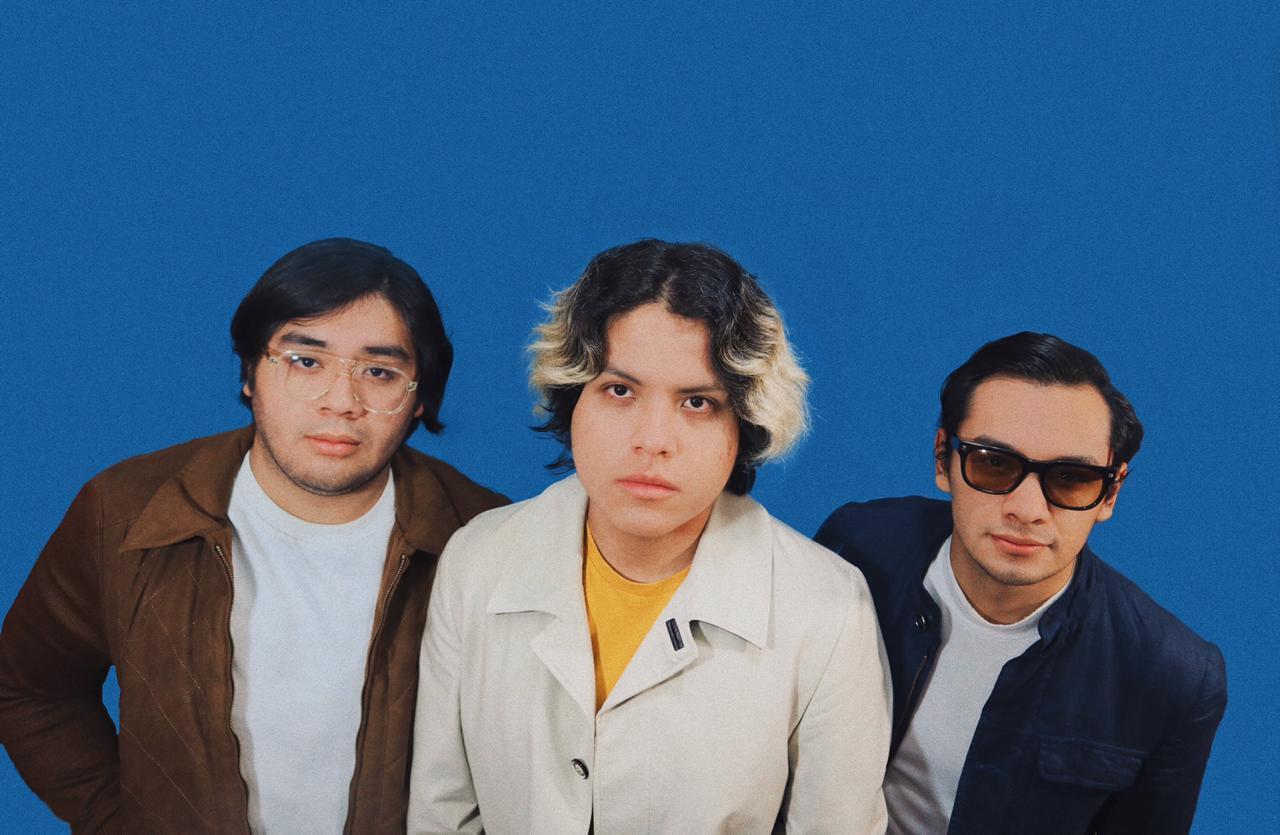
David de la Luz’s Spotify BioDavid Villeda de la Luz mejor conocido cómo David de la Luz es un cantautor de 23 años nacido en Ciudad de México, compositor bohemio y amante de la nostalgia. Su pasión por la música comenzó desde temprana edad cuando en fiestas de cumpleaños en vez de pedir algún tipo de evento infantil prefería escuchar un buen mariachi.
Su Carrera comenzó en 2019 con su primer EP "Agüitado" conformado por 2 canciones: "Tu Pendejo" y "Talvez" con el cual lograría millones de reproducciones cómo debut.
Sus principales influencias musicales son Silvana Estrada, Laura Murcia y Natalia Lafourcade; estos artistas lo han influenciado a experimentar con distintos géneros cómo lo fue el son Jarocho en "Eclipse" o el Mariachi en "Mictlán", canciones que forman parte de su album debut "De Todo un Poco" lanzado en 2021; todo esto como busqueda de su sonido Folk/Regional.
Actualmente se encuentra de gala por el lanzamiento de su más reciente álbum “DESARROLLO DE PERSONAJE” el cual tardó más de 3 años en componer,… producir, grabar y trabajar.
Viberate is a music analytics platform built for A&Rs, artist managers, labels, booking agents, marketers, and artists.
It helps music professionals track artist growth, analyze audience data, monitor playlist activity, compare artists, follow song performance, and identify opportunities across the music market.
Public artist pages provide a free preview of selected artist data. Paid plans provide access to deeper analytics, historical data, charts, comparisons, playlist tools, exports, alerts, reports, and additional professional features.
Yes. Public Viberate artist pages provide selected artist analytics and music data for free.
Viberate also offers a 7-day free trial of the full platform. A credit card is required to start the trial. The trial includes access to the complete product so users can test deeper artist analytics, historical views, playlist insights, comparisons, charts, exports, alerts, and reporting features before choosing a paid plan.
Viberate provides artist analytics across streaming, playlists, social media, video, radio airplay, songs, and audience markets.
Users can analyze Spotify performance, Spotify and Apple Music playlists, YouTube activity, TikTok and Instagram growth, radio spins, song performance, audience locations, demographics, rankings, and overall artist momentum.
Artist profiles also connect to music charts, similar artists, and comparison tools, helping users benchmark performance and evaluate artists in context.
Viberate updates key artist and track data daily.
For followed artists and tracks, selected data is refreshed multiple times per day. This helps teams monitor playlist changes, streaming movement, audience growth, releases, and campaign performance with more current data.
Update frequency can vary depending on the metric and data source.
Yes. Viberate lets users compare up to five artists side by side across streaming, social media, audience, and engagement metrics.
Users can compare fanbase growth, audience demographics, locations, Spotify performance, social metrics, and other artist data over selected time periods.
Artist comparison can be used for A&R scouting, benchmarking, booking decisions, campaign planning, and evaluating artists with similar audiences or market positions.