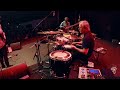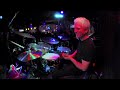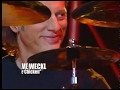
Dave Weckl

Jazz
Jazz Fusion
 Viberate Rank: 30574
 Viberate Rank: 30574
 Monthly ListenersFollowers
 Subscribers
 Followers
 Followers
 FansTop Spotify Songs
| Track | 7-Day Streams | |
|---|---|---|
1 | 8.29K | |
2 | 7.43K | |
3 | 5.58K | |
4 | 5.54K | |
5 | 3.93K |
Top YouTube Videos| Video | 7-Day Views | |
|---|---|---|
1 | 19.13K | |
2 | 10.38K | |
3 | 8.40K | |
4 | 7.95K | |
5 | 6.33K |
Monthly ListenersFeatured in Playlists| Playlist | Followers | |
|---|---|---|
1 |  Fusion Fest Spotify | 220.08K |
2 |  jazz like whiplash Study Mode Classics | 79.96K |
3 |  Prog Jazz Spotify | 63.33K |
4 |  This Is Chick Corea Spotify | 60.98K |
5 |  Sunday Study - Thomas Frank's Study Music Selections Thomas Frank | 43.46K |
Audience| City | Monthly Listeners | |
|---|---|---|
1 |  | 729 |
2 |  | 727 |
3 |  | 495 |
4 |  | 485 |
5 |  | 439 |
See full performance history, audience data, playlist activity, rankings, comparisons, and more in Viberate music analytics. Start with a free trial, then continue with a paid plan.
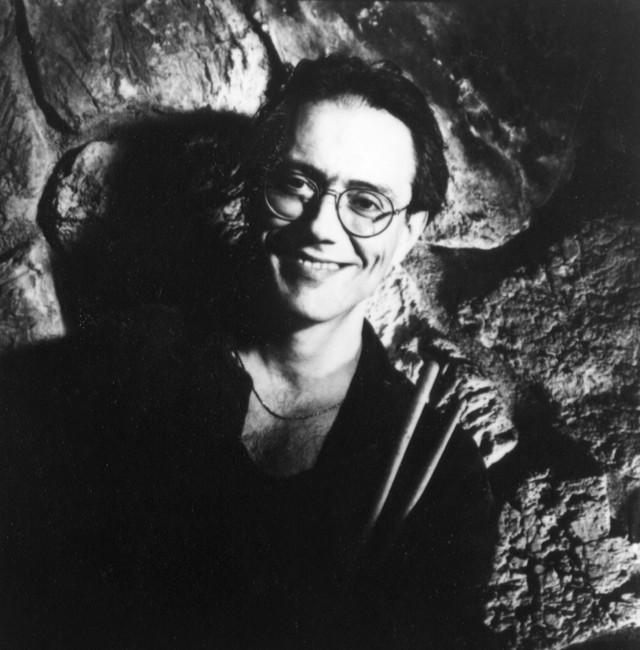
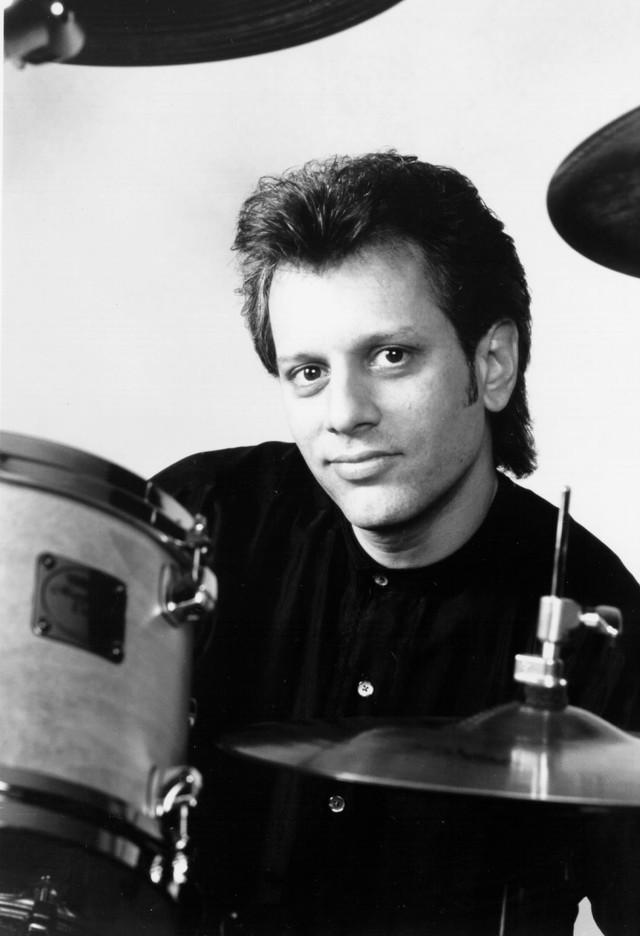
Dave Weckl’s Spotify BioDave Weckl is one of fusion's most acclaimed drummers, making his name during a six-year-stint with Chick Corea. Weckl was born in St. Louis and grew up listening to soul and jazz; he received his first drum set at age eight and developed his playing by listening to drummers like Buddy Rich, as well as R&B grooves. He majored in jazz at the University of Bridgeport, but left after two years to become involved in the New York jazz scene, also touring Europe with various bands. Weckl joined a fusion group called Nitesprite, where he attracted the attention of drummer Peter Erskine; Erskine helped him get a gig with French Toast, a band also featuring pianist Michel Camilo and bassist Anthony Jackson.
From French Toast, Weckl branched out into session work, playing on numerous early-'80s sessions with the likes of Bill Connors (Return to Forever), the Brecker Brothers, Tânia Maria, Paquito D'Rivera, Eliane Elias, and George Benson, as well as pop and soul albums for Diana Ross, Madonna,… and Robert Plant. In 1986, Chick Corea saw Weckl performing in New York with guitarist Connors and invited the drummer to join his new Elektric Band. Weckl spent a total of seven years with Corea, performing on numerous albums and also appearing with Corea's Akoustic Band; his skills received considerable esteem, and he augmented his work with Corea by continuing his session work and appearing often with the GRP All-Star Big Band. Weckl also released a series of instructional videos, and in 1990 he led his first solo date with Master Plan for GRP. Heads Up followed in 1992, as well as Hard-Wired in 1994.
Upon leaving Corea, Weckl's primary focus was recording and touring with guitarist Mike Stern; he also continued his work as a sideman. In 1998, Weckl led the R&B-oriented date Rhythm of the Soul, a return to his other boyhood musical love, and the like-minded Synergy followed in 1999. The Dave Weckl Band had really gelled by the time of Transition's 2000 release, but Weckl didn't leave teaching behind either, and released another instructional recording, The Zone, in 2001.
Weckl then formed his own quartet with saxophonist Brandon Fields, keyboardist Steve Weingart, and bassist Tom Kennedy. He debut the outfit with 2002's improv-heavy Perpetual Motion. The quartet returned in 2005 with Multiplicity, which found saxophonist Gary Meek taking over for Fields. Over the next several years, the drummer stayed busy appearing on albums by Jeff Lorber, Mike Stern, Chuck Loeb, and many others. In 2013, he joined trumpeter Randy Brecker for The Brecker Brothers Band Reunion, and followed up with sessions for Andreas Varady, Lee Ritenour, and Wayne Bergeron. In 2017, he was one of many longtime Chick Corea associates who reunited with the legendary keyboardist for the career-spanning set of live concerts released as The Musician. ~ Steve Huey, Rovi
Viberate is a music analytics platform built for A&Rs, artist managers, labels, booking agents, marketers, and artists.
It helps music professionals track artist growth, analyze audience data, monitor playlist activity, compare artists, follow song performance, and identify opportunities across the music market.
Public artist pages provide a free preview of selected artist data. Paid plans provide access to deeper analytics, historical data, charts, comparisons, playlist tools, exports, alerts, reports, and additional professional features.
Yes. Public Viberate artist pages provide selected artist analytics and music data for free.
Viberate also offers a 7-day free trial of the full platform. A credit card is required to start the trial. The trial includes access to the complete product so users can test deeper artist analytics, historical views, playlist insights, comparisons, charts, exports, alerts, and reporting features before choosing a paid plan.
Viberate provides artist analytics across streaming, playlists, social media, video, radio airplay, songs, and audience markets.
Users can analyze Spotify performance, Spotify and Apple Music playlists, YouTube activity, TikTok and Instagram growth, radio spins, song performance, audience locations, demographics, rankings, and overall artist momentum.
Artist profiles also connect to music charts, similar artists, and comparison tools, helping users benchmark performance and evaluate artists in context.
Viberate updates key artist and track data daily.
For followed artists and tracks, selected data is refreshed multiple times per day. This helps teams monitor playlist changes, streaming movement, audience growth, releases, and campaign performance with more current data.
Update frequency can vary depending on the metric and data source.
Yes. Viberate lets users compare up to five artists side by side across streaming, social media, audience, and engagement metrics.
Users can compare fanbase growth, audience demographics, locations, Spotify performance, social metrics, and other artist data over selected time periods.
Artist comparison can be used for A&R scouting, benchmarking, booking decisions, campaign planning, and evaluating artists with similar audiences or market positions.