Dave Stamey

Country
Americana/Alt Country
 Viberate Rank: 102464
 Viberate Rank: 102464
 Monthly ListenersFollowers
 Subscribers
 Followers
 Followers
 FansTop Spotify Songs
| Track | 7-Day Streams | |
|---|---|---|
1 | 27.55K | |
2 | 7.43K | |
3 | 7.24K | |
4 | 6.14K | |
5 | 5.96K |
Top YouTube VideosMonthly ListenersFeatured in Playlists| Playlist | Followers | |
|---|---|---|
1 |  Out in the Open Ben Kretchman | 64.64K |
2 | The Morning Summer 2022 Playlist nytimes | 46.35K |
3 |  Old Country Classics Glenn Asbjørn B. Ovedal | 34.48K |
4 |  Good’ns Rural Sultan | 17.84K |
5 |  Hiking Playlist 🏔️ Lily | 10.06K |
Audience| City | Monthly Listeners | |
|---|---|---|
1 | | 3.39K |
2 | | 2.94K |
3 | | 2.06K |
4 | | 1.94K |
5 | | 1.88K |
See full performance history, audience data, playlist activity, rankings, comparisons, and more in Viberate music analytics. Start with a free trial, then continue with a paid plan.
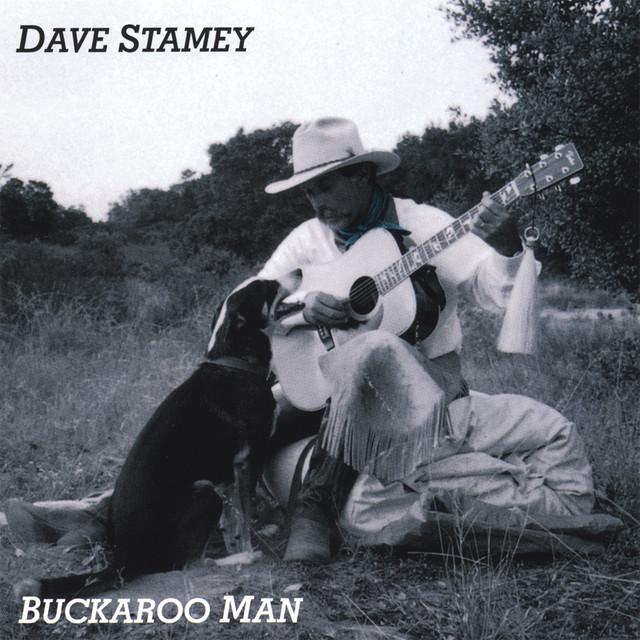
Dave Stamey’s Spotify BioCowboy singer Dave Stamey has been called “the Charley Russell of Western Music,” and it’s an apt description. Charles M. Russell was a gifted period artist who painted over 2,000 canvases of cowboys, Indians, and the landscape of the American West in the late 1800s and early 1900s, each done with emotional resonance and meticulous detail. Stamey does the same thing, only as a musician. His songs capture the life of the modern cowboy in a world of rapid transition, where some things change constantly and some things never change at all. But Stamey is far from a genre facsimile. He has been a working cowboy, rancher, mule packer, and dude wrangler, so he understands the territory well and he also knows his audience, and he just happens to be a natural entertainer and an astute businessman. His recorded work feels naturally authentic, always professionally recorded and played, and carrying a cultural and historical exactness without being overly fussy about it. Among his many… independently released albums are Buckaroo Man (1997), Tonopah (1999), Campfire Waltz (2000), Wheels (2001), If I Had a Horse (2003), the live It’s Just a State of Mind (2007), Old Friends (2007), and Come Ride with Me (2009). ~ Steve Leggett, Rovi
Viberate is a music analytics platform built for A&Rs, artist managers, labels, booking agents, marketers, and artists.
It helps music professionals track artist growth, analyze audience data, monitor playlist activity, compare artists, follow song performance, and identify opportunities across the music market.
Public artist pages provide a free preview of selected artist data. Paid plans provide access to deeper analytics, historical data, charts, comparisons, playlist tools, exports, alerts, reports, and additional professional features.
Yes. Public Viberate artist pages provide selected artist analytics and music data for free.
Viberate also offers a 7-day free trial of the full platform. A credit card is required to start the trial. The trial includes access to the complete product so users can test deeper artist analytics, historical views, playlist insights, comparisons, charts, exports, alerts, and reporting features before choosing a paid plan.
Viberate provides artist analytics across streaming, playlists, social media, video, radio airplay, songs, and audience markets.
Users can analyze Spotify performance, Spotify and Apple Music playlists, YouTube activity, TikTok and Instagram growth, radio spins, song performance, audience locations, demographics, rankings, and overall artist momentum.
Artist profiles also connect to music charts, similar artists, and comparison tools, helping users benchmark performance and evaluate artists in context.
Viberate updates key artist and track data daily.
For followed artists and tracks, selected data is refreshed multiple times per day. This helps teams monitor playlist changes, streaming movement, audience growth, releases, and campaign performance with more current data.
Update frequency can vary depending on the metric and data source.
Yes. Viberate lets users compare up to five artists side by side across streaming, social media, audience, and engagement metrics.
Users can compare fanbase growth, audience demographics, locations, Spotify performance, social metrics, and other artist data over selected time periods.
Artist comparison can be used for A&R scouting, benchmarking, booking decisions, campaign planning, and evaluating artists with similar audiences or market positions.