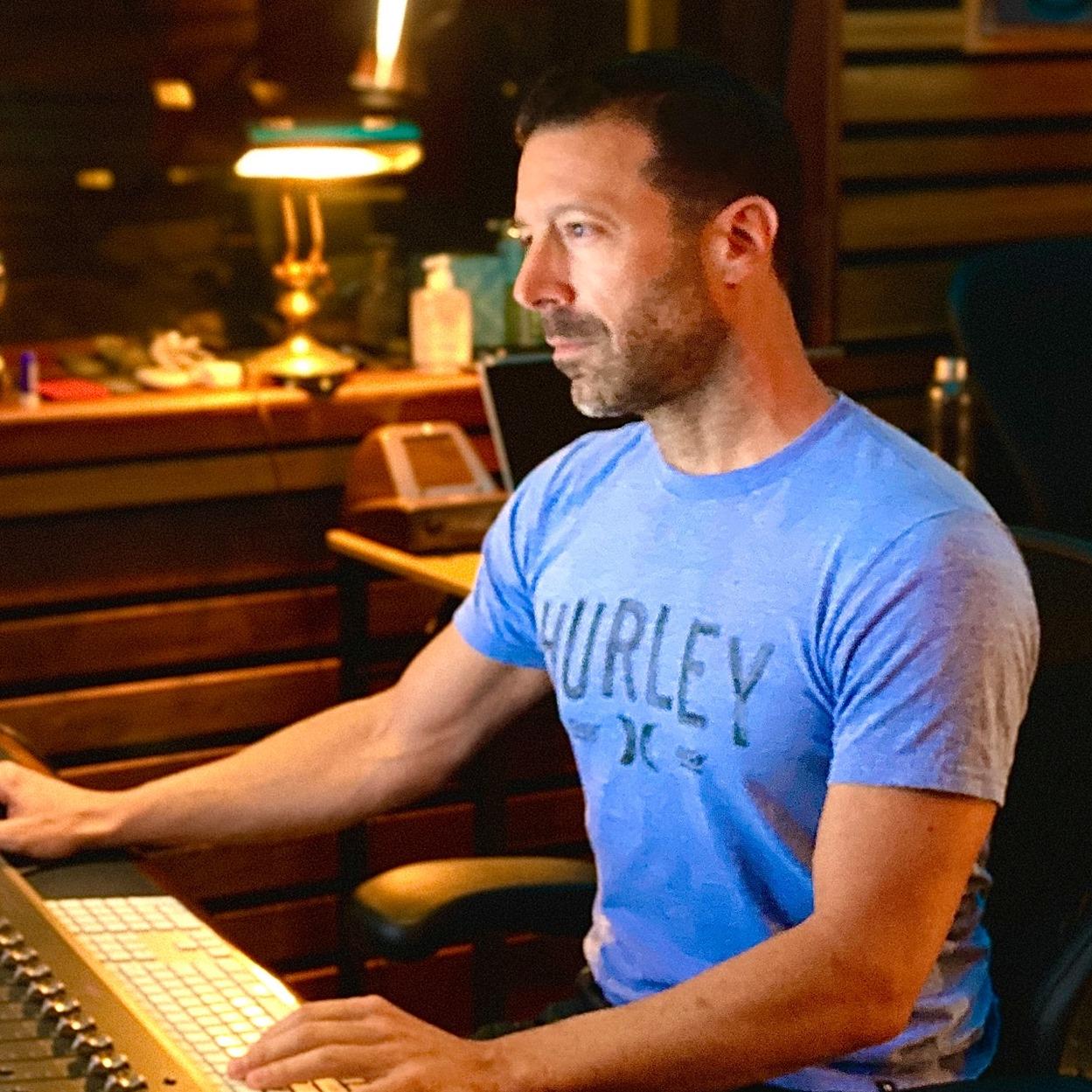
Dave Rice

Electronic
Dance
House
 Viberate Rank: 431496
 Viberate Rank: 431496
 Monthly ListenersFollowers
 Subscribers
 Followers
 Followers
 FansTop Spotify Songs
| Track | 7-Day Streams | |
|---|---|---|
1 | 64 | |
2 | 44 | |
3 | 19 | |
4 | 15 | |
5 | 14 |
Top YouTube Videos| Video | 7-Day Views | |
|---|---|---|
1 | 18 | |
2 | 8 | |
3 | 6 | |
4 | 3 | |
5 | 1 |
Monthly ListenersFeatured in Playlists| Playlist | Followers | |
|---|---|---|
1 |  Lounge Fusion 2023 Peter Nemth | 37.18K |
2 | SpotifyCharts | 24.16K |
3 |  Epic Music 2026 CloudKid | 20.22K |
4 |  Neon Night Selection Alex Vittek | 18.04K |
5 | nicholasdah | 11.13K |
Audience| City | Monthly Listeners | |
|---|---|---|
1 |  | 14 |
2 | | 13 |
3 |  | 11 |
4 |  | 9 |
5 |  | 9 |
See full performance history, audience data, playlist activity, rankings, comparisons, and more in Viberate music analytics. Start with a free trial, then continue with a paid plan.
Dave Rice’s Spotify BioDave's journey in music began at the age of 12, scavenging thrift stores to assemble a DJ system. He quickly made a name for himself, DJing high school backyard parties and events in Long Beach, California, sharing the stage with iconic acts like Sublime and Snoop Dogg. By 19, Dave co-founded the legendary 'Toe Jam Night Spot,' a hotspot frequented by Snoop Dogg, Sublime, The Offspring, No Doubt, Warren G, Green Day, and Inside Out (later Rage Against the Machine). His Technics SL1200 turntables were integral to many Sublime tracks, featuring samples, break-beats, and scratching.
Dave's musical influences are vast, rooted in the 1980s electro, freestyle, punk, and new wave scenes with artists like The Egyptian Lover, Debbie Deb, Nucleus, Fear, Dead Kennedys, Fishbone, and Oingo Boingo. His modern inspirations include Chris Lake, Fisher, Zeds Dead, and Tiësto. Throughout his career, Dave has collaborated with a variety of artists, including 9Theory, Biometrix, Egyptian Lover, Collin… McLoughlin, Will Konitzer, Tamas Halo, and Alex Kogan.
Professionally, Dave excels in the entertainment audio, video, and lighting industry, having led several companies as CEO, including KRK Studio Monitors, Cerwin Vega Speakers, Electrix Pro, and ProSound & Stage Lighting. Outside of work, Dave enjoys unicycling, skateboarding, surfing, working out, traveling, and most importantly, creating music.
Viberate is a music analytics platform built for A&Rs, artist managers, labels, booking agents, marketers, and artists.
It helps music professionals track artist growth, analyze audience data, monitor playlist activity, compare artists, follow song performance, and identify opportunities across the music market.
Public artist pages provide a free preview of selected artist data. Paid plans provide access to deeper analytics, historical data, charts, comparisons, playlist tools, exports, alerts, reports, and additional professional features.
Yes. Public Viberate artist pages provide selected artist analytics and music data for free.
Viberate also offers a 7-day free trial of the full platform. A credit card is required to start the trial. The trial includes access to the complete product so users can test deeper artist analytics, historical views, playlist insights, comparisons, charts, exports, alerts, and reporting features before choosing a paid plan.
Viberate provides artist analytics across streaming, playlists, social media, video, radio airplay, songs, and audience markets.
Users can analyze Spotify performance, Spotify and Apple Music playlists, YouTube activity, TikTok and Instagram growth, radio spins, song performance, audience locations, demographics, rankings, and overall artist momentum.
Artist profiles also connect to music charts, similar artists, and comparison tools, helping users benchmark performance and evaluate artists in context.
Viberate updates key artist and track data daily.
For followed artists and tracks, selected data is refreshed multiple times per day. This helps teams monitor playlist changes, streaming movement, audience growth, releases, and campaign performance with more current data.
Update frequency can vary depending on the metric and data source.
Yes. Viberate lets users compare up to five artists side by side across streaming, social media, audience, and engagement metrics.
Users can compare fanbase growth, audience demographics, locations, Spotify performance, social metrics, and other artist data over selected time periods.
Artist comparison can be used for A&R scouting, benchmarking, booking decisions, campaign planning, and evaluating artists with similar audiences or market positions.