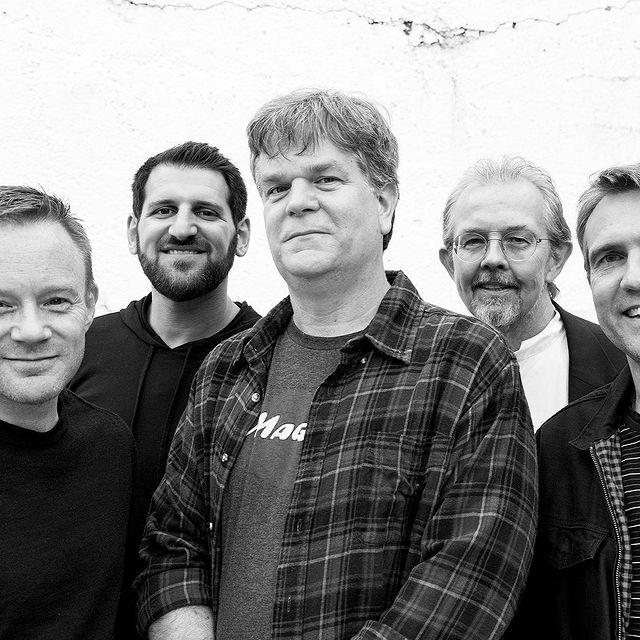
DAVE HERLIHY

Rock
Indie Rock
 Viberate Rank: 762180
 Viberate Rank: 762180
 Monthly ListenersFollowers
 Subscribers
 Followers
 Followers
 FansTop Spotify Songs
| Track | 7-Day Streams | |
|---|---|---|
1 | 25 |
Top YouTube VideosMonthly ListenersFeatured in PlaylistsAudience| City | Monthly Listeners | |
|---|---|---|
1 | | 14 |
2 | | 5 |
3 | | 5 |
4 | | 4 |
5 | | 3 |
See full performance history, audience data, playlist activity, rankings, comparisons, and more in Viberate music analytics. Start with a free trial, then continue with a paid plan.
DAVE HERLIHY’s Spotify BioNature is a force of Dave Herlihy.
His emergence truly began with the 1983 forming of O Positive, a guitar-driven, indie-rocking outfit that riveted club goers in Greater Boston and throughout New England. Their high-energy, mesmerizing live performances featured Dave as lead singer, guitarist and principal songwriter. Charismatic and kinetic, his presence was a key to attaining both college and commercial airplay across the country and ultimately scoring a recording deal with Epic Records.
Disarray and the eventual reorganization of that label proved to be a difficult hurdle for O Positive to overcome, but they nonetheless dominated the Boston music scene for more than a decade, producing a number of acclaimed EP’s and albums (“Only Breathing” Throbbing Lobster, 1985; “Cloud Factory” Link, 1987; “toyboattoyboatTOYBOAT” Epic, 1990; and “Home Sweet Head” Smashing Records, 1993).
The band enjoyed airplay on MTV, rode the Rolling Stone college charts, and headlined extensively throughout… the country, sharing stages with the likes of Sinead O'Connor, Bryan Ferry, The Psychedelic Furs, the Pixies and many others.
Dave himself racked up an embarrassment of rock and roll recognition during that time, including an “Outstanding Songwriter” and three “Outstanding Male Vocalist” acknowledgements from the Boston Music Awards, and as two-time topper of the Boston Phoenix/WFNX Poll’s “Best Local Male Vocalist” category.
O POSITIVE ended in 1993, and Dave now records solo.
Viberate is a music analytics platform built for A&Rs, artist managers, labels, booking agents, marketers, and artists.
It helps music professionals track artist growth, analyze audience data, monitor playlist activity, compare artists, follow song performance, and identify opportunities across the music market.
Public artist pages provide a free preview of selected artist data. Paid plans provide access to deeper analytics, historical data, charts, comparisons, playlist tools, exports, alerts, reports, and additional professional features.
Yes. Public Viberate artist pages provide selected artist analytics and music data for free.
Viberate also offers a 7-day free trial of the full platform. A credit card is required to start the trial. The trial includes access to the complete product so users can test deeper artist analytics, historical views, playlist insights, comparisons, charts, exports, alerts, and reporting features before choosing a paid plan.
Viberate provides artist analytics across streaming, playlists, social media, video, radio airplay, songs, and audience markets.
Users can analyze Spotify performance, Spotify and Apple Music playlists, YouTube activity, TikTok and Instagram growth, radio spins, song performance, audience locations, demographics, rankings, and overall artist momentum.
Artist profiles also connect to music charts, similar artists, and comparison tools, helping users benchmark performance and evaluate artists in context.
Viberate updates key artist and track data daily.
For followed artists and tracks, selected data is refreshed multiple times per day. This helps teams monitor playlist changes, streaming movement, audience growth, releases, and campaign performance with more current data.
Update frequency can vary depending on the metric and data source.
Yes. Viberate lets users compare up to five artists side by side across streaming, social media, audience, and engagement metrics.
Users can compare fanbase growth, audience demographics, locations, Spotify performance, social metrics, and other artist data over selected time periods.
Artist comparison can be used for A&R scouting, benchmarking, booking decisions, campaign planning, and evaluating artists with similar audiences or market positions.