Dave Grohl

Rock
Alternative Rock
Hard Rock
 Viberate Rank: 32635
 Viberate Rank: 32635
 Monthly ListenersFollowers
 Subscribers
 Followers
 Followers
 FansTop Spotify Songs
| Track | 7-Day Streams | |
|---|---|---|
1 | 91.67K | |
2 | 25.34K | |
3 | 16.99K | |
4 | 8.62K | |
5 | 5.87K |
Top YouTube VideosMonthly ListenersFeatured in Playlists| Playlist | Followers | |
|---|---|---|
1 |  Rock Christmas Spotify | 247.71K |
2 |  Metal Christmas Spotify | 157.04K |
3 | Rock - 2000s Rodrigo Varella | 95.58K |
4 | GRUNGE zerubi | 80.90K |
5 | sad metal songs. Sebastian Finta | 78.46K |
Audience| City | Monthly Listeners | |
|---|---|---|
1 |  | 4.94K |
2 |  | 4.70K |
3 |  | 4.58K |
4 | | 4.31K |
5 | | 4.00K |
See full performance history, audience data, playlist activity, rankings, comparisons, and more in Viberate music analytics. Start with a free trial, then continue with a paid plan.
Dave Grohl’s Spotify BioRarely in the history of rock has a musician switched bands and instruments simultaneously with such a high degree of success as Dave Grohl. Born on January 14, 1969, Grohl grew up in Washington, D.C., teaching himself to play drums and guitar while listening to such heavy metal acts as Led Zeppelin, Kiss, Motörhead, and Black Sabbath, plus the punk outfits Black Flag, the Germs, Bad Brains, and the Stooges. While still a teenager, he joined his first real band, independent D.C. punkers Scream, and toured the world as their drummer. After Scream broke up in the late '80s, Grohl relocated to Seattle and tried out for a little-known band that had a drum vacancy, Nirvana. Immediately after Grohl joined the group in late 1990, Nirvana guitarist/singer/songwriter Kurt Cobain presented the band with the songs that would appear on the group's major-label debut, the 1991 classic Nevermind. Grohl also found time to write and record several demos around this time (playing all the instruments and… singing himself), titled Pocketwatch, but more on that later. As everyone knows, Nevermind rocketed Nirvana to superstardom, as Grohl turned heads with his simple yet hard-hitting drumming style. During the sessions for the group's follow-up, 1993's In Utero, Grohl was allowed to contribute some of his own songwriting when he earned a co-writing credit for the heavy riff-rocker "Scentless Apprentice" and also recorded an original song, the quietly melodic "Marigold," which would appear as a B-side on the British "All Apologies" single.
Then Cobain's much-publicized suicide promptly ended Nirvana in April 1994. Instead of sitting around depressed, Grohl began working and playing with others, lending his drumming talents to the Backbeat motion picture soundtrack and Mike Watt's Ball-Hog or Tugboat? release (as well as serving as Watt's touring drummer for a stretch of time), plus backing Tom Petty on a Saturday Night Live appearance. Later in the year, Grohl dusted off some of the songs he recorded for the Pocketwatch demo and began writing and recording some new tracks, again playing all the instruments himself. Not sure initially if these songs would ever see the light of day, he eventually decided to issue them under the name Foo Fighters, and promptly formed an ad hoc band consisting of ex-Germs/Nirvana guitarist Pat Smear and ex-Sunny Day Real Estate members William Goldsmith (drums) and Nate Mendel (bass), while Grohl surprisingly put his drumming days behind him in favor of guitarist/singer duties. The band's self-titled 1995 release became a hit, as their sound was similar to his last full-time band: hard-edged punk rock mixed with melodic, midtempo pop/rockers.
While the band lineup solidified with the arrival of ex-Alanis Morissette drummer Taylor Hawkins, a revolving-door policy still applied to the other Foos playing alongside Grohl. Nevertheless, the group widened its fan base with each successive release. 1997's Colour and the Shape became the first truly collaborative Foo album and a worldwide hit; two years later, There Is Nothing Left to Lose dropped to widespread acclaim, and further distanced Grohl the songwriter, singer, and guitarist from Grohl the ex-drummer of Nirvana. In 2000, he took a quick break from his main gig, contributing drum tracks to metal hero Tony Iommi's self-titled solo record. Early the following year, the Foos threw eager fans a bone, streaming stomper "The One" from their website. But Grohl's past came back to haunt him in late 2001, when infamous Kurt Cobain widow and mouthpiece-about-town Courtney Love sued him, Krist Noveselic, and Universal Music Group for control of Nirvana's master recordings. The lawsuit would drag on for almost two years. Grohl and his band kicked off 2002 with a performance at the Winter Olympics. He then surprised fans and observers again with his emergence as the touring drummer for underground hard rock outfit Queens of the Stone Age. Grohl gigged with the band through the summer, and also played on the breakthrough Queens LP Songs for the Deaf, issued that August. The Foos' One by One appeared in October and almost immediately began spawning hit singles, each accompanied by a typically entertaining, Grohl-directed music video. The Love lawsuit was also settled, and late 2002 saw the arrival of a one-disc Nirvana retrospective. In spring 2003, Grohl, Hawkins, and the rest of the Foos embarked on an extensive tour in support of One by One.
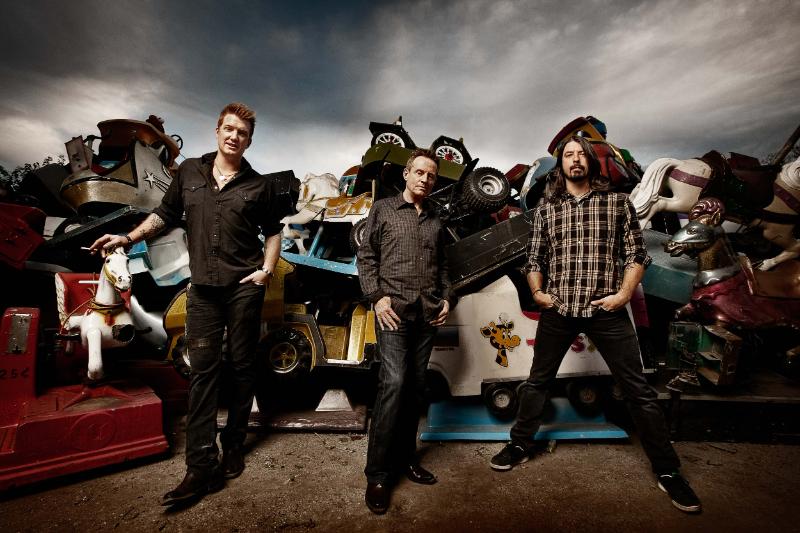
Foo Fighters follow-up album, 2005's In Your Honor, narrowly missed the top of Billboard's album chart. After releasing a live album titled Skin and Bones in 2006, the band constructed a dozen fractured, eclectic rock songs to be released in 2007 under the name Echoes, Silence, Patience & Grace. Two years later, the group released its first compilation, Greatest Hits, as Grohl launched his new supergroup Them Crooked Vultures, which also featured Josh Homme of Queens of the Stone Age and Led Zeppelin's John Paul Jones. Foo Fighters reconvened for 2011's Wasting Light, a Butch Vig production that doubled as the official return of Pat Smear, who hadn't played on any of the band's albums since 1997. Wasting Light wound up as a smash success for the Foos, debuting at number one on the Billboard charts, going gold in the U.S., and garnering the band another four Grammy Awards. In the wake of Wasting Light, several other Foo projects emerged -- a limited-edition compilation of covers called Medium Rare released for Record Store Day 2011 and a documentary of the band called Back and Forth; the group toured the album into 2012.
In 2012, the Foo Fighters announced they were taking a hiatus and Grohl immediately returned to the confines of Queens of the Stone Age, drumming on their 2013 album ...Like Clockwork. He also threw himself into directing a documentary about the legendary Los Angeles recording studio Sound City. The film appeared early in 2013 to positive reviews and it was accompanied by a soundtrack called Sound City: Real to Reel, which featured Grohl-directed jams with a variety of Sound City veterans, plus Paul McCartney. Not long after its release, the Foo Fighters announced their hiatus had ended and they were working on a new album.
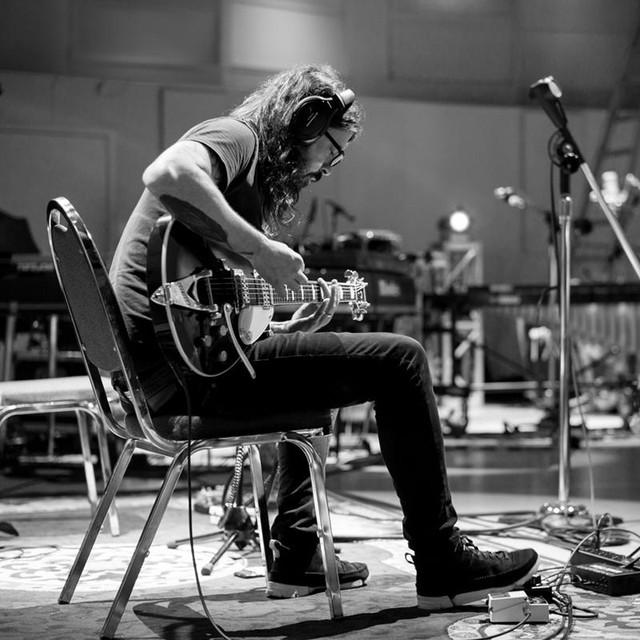
After two Foo Fighters albums -- 2014's Sonic Highways and 2017's Concrete and Gold -- Grohl made a documentary devoted to the pleasures of playing musical instruments. Entitled Play, the doc appeared in 2018, accompanied by a soundtrack containing a 22-minute track featuring Grohl on every instrument. ~ Stephen Thomas Erlewine, Rovi
Viberate is a music analytics platform built for A&Rs, artist managers, labels, booking agents, marketers, and artists.
It helps music professionals track artist growth, analyze audience data, monitor playlist activity, compare artists, follow song performance, and identify opportunities across the music market.
Public artist pages provide a free preview of selected artist data. Paid plans provide access to deeper analytics, historical data, charts, comparisons, playlist tools, exports, alerts, reports, and additional professional features.
Yes. Public Viberate artist pages provide selected artist analytics and music data for free.
Viberate also offers a 7-day free trial of the full platform. A credit card is required to start the trial. The trial includes access to the complete product so users can test deeper artist analytics, historical views, playlist insights, comparisons, charts, exports, alerts, and reporting features before choosing a paid plan.
Viberate provides artist analytics across streaming, playlists, social media, video, radio airplay, songs, and audience markets.
Users can analyze Spotify performance, Spotify and Apple Music playlists, YouTube activity, TikTok and Instagram growth, radio spins, song performance, audience locations, demographics, rankings, and overall artist momentum.
Artist profiles also connect to music charts, similar artists, and comparison tools, helping users benchmark performance and evaluate artists in context.
Viberate updates key artist and track data daily.
For followed artists and tracks, selected data is refreshed multiple times per day. This helps teams monitor playlist changes, streaming movement, audience growth, releases, and campaign performance with more current data.
Update frequency can vary depending on the metric and data source.
Yes. Viberate lets users compare up to five artists side by side across streaming, social media, audience, and engagement metrics.
Users can compare fanbase growth, audience demographics, locations, Spotify performance, social metrics, and other artist data over selected time periods.
Artist comparison can be used for A&R scouting, benchmarking, booking decisions, campaign planning, and evaluating artists with similar audiences or market positions.