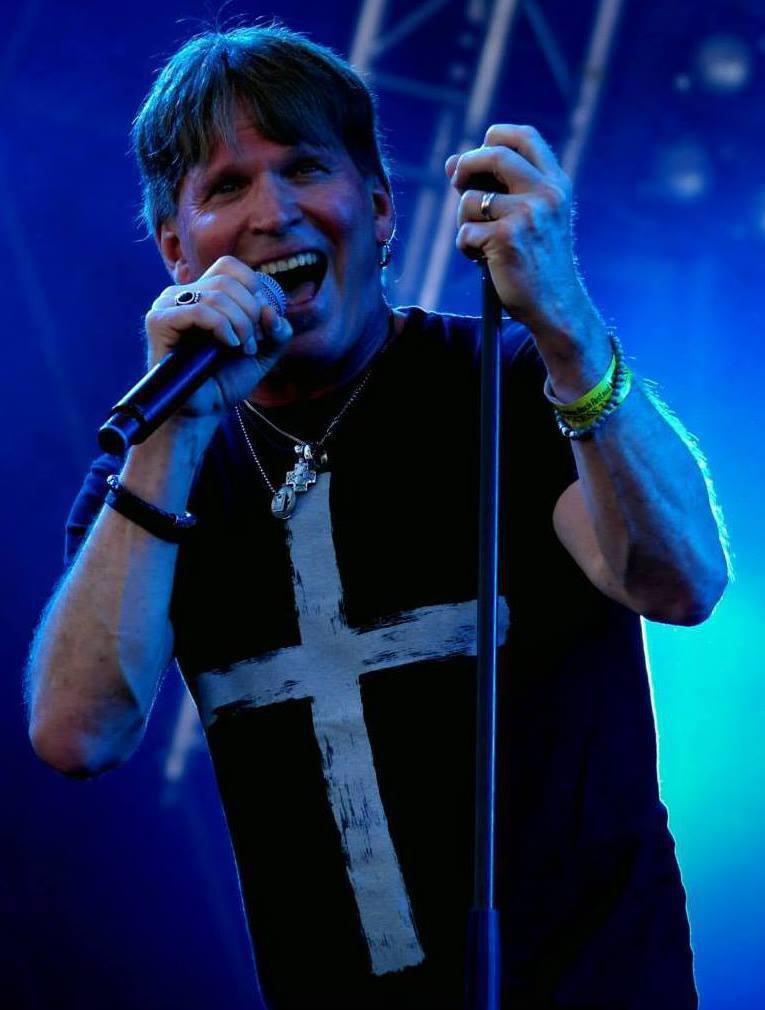
Dave Bickler

Rock
Pop Rock
Alternative Rock
 Viberate Rank: 511351
 Viberate Rank: 511351
 Monthly ListenersFollowers
 Subscribers
 Followers
 Followers
 FansTop Spotify Songs
| Track | 7-Day Streams | |
|---|---|---|
1 | 13 | |
2 | 10 | |
3 | 6 | |
4 | 5 | |
5 | 4 |
Top YouTube VideosMonthly ListenersFeatured in Playlists| Playlist | Followers | |
|---|---|---|
1 |  pop rezaam | 1.58K |
2 |  Spotlight Indie indeflagration | 1.19K |
Audience| City | Monthly Listeners | |
|---|---|---|
1 |  | 3 |
See full performance history, audience data, playlist activity, rankings, comparisons, and more in Viberate music analytics. Start with a free trial, then continue with a paid plan.
Dave Bickler’s Spotify BioDave Bickler Bio 2019
Dave Bickler started his musical career as lead singer of the 1970's rock group Jamestown Massacre (Billboard Top 100 Song "Summer Sun") and doing commercial jingle work in Chicago. He was lead singer of the rock band Survivor from 1978-1984 and 1993-1999 . From 1999-2009 Dave was the singing voice behind the highly successful (most award winning radio campaign in advertising history!) "Real Men of Genius" Bud Light radio and TV commercials, including promotional events where he sang live spots and the National Anthem at major sporting events across the country. Bickler toured in the US and Europe 2013-2014 with Survivor. Today, Bickler lives in New York with his family! His new album, titled "Darklight", is available for digital download and will be available on CD/Vinyl March 22, 2019!
Dave Bickler's biggest hit with Survivor, "Eye of the Tiger", the theme song for the film Rocky III, was #1 on the Billboard charts for six weeks. The song won Dave a Grammy Award… for "Best Rock Performance by a Duo or Group with Vocal". It was voted "Best New Song" by People's Choice Awards, received an Academy Award nomination, came in at #18 on the "Top 100 Singles" chart in Billboard's 100th Anniversary issue, sold over 9 million copies in combined vinyl and digital downloads, is featured on popular electronic games such as Guitar Hero and was ranked #63 on VH1's "100 Greatest Hard Rock Songs" in 2008. The song was certified Platinum in 1982!
Viberate is a music analytics platform built for A&Rs, artist managers, labels, booking agents, marketers, and artists.
It helps music professionals track artist growth, analyze audience data, monitor playlist activity, compare artists, follow song performance, and identify opportunities across the music market.
Public artist pages provide a free preview of selected artist data. Paid plans provide access to deeper analytics, historical data, charts, comparisons, playlist tools, exports, alerts, reports, and additional professional features.
Yes. Public Viberate artist pages provide selected artist analytics and music data for free.
Viberate also offers a 7-day free trial of the full platform. A credit card is required to start the trial. The trial includes access to the complete product so users can test deeper artist analytics, historical views, playlist insights, comparisons, charts, exports, alerts, and reporting features before choosing a paid plan.
Viberate provides artist analytics across streaming, playlists, social media, video, radio airplay, songs, and audience markets.
Users can analyze Spotify performance, Spotify and Apple Music playlists, YouTube activity, TikTok and Instagram growth, radio spins, song performance, audience locations, demographics, rankings, and overall artist momentum.
Artist profiles also connect to music charts, similar artists, and comparison tools, helping users benchmark performance and evaluate artists in context.
Viberate updates key artist and track data daily.
For followed artists and tracks, selected data is refreshed multiple times per day. This helps teams monitor playlist changes, streaming movement, audience growth, releases, and campaign performance with more current data.
Update frequency can vary depending on the metric and data source.
Yes. Viberate lets users compare up to five artists side by side across streaming, social media, audience, and engagement metrics.
Users can compare fanbase growth, audience demographics, locations, Spotify performance, social metrics, and other artist data over selected time periods.
Artist comparison can be used for A&R scouting, benchmarking, booking decisions, campaign planning, and evaluating artists with similar audiences or market positions.