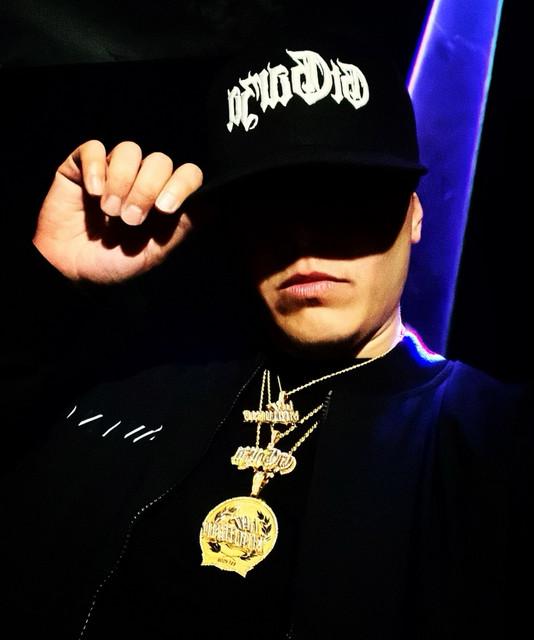
Dat Boi T

Hip Hop
Contemporary Hip Hop
Latin Hip Hop
 Viberate Rank: 67701
 Viberate Rank: 67701
 Monthly ListenersFollowers
 Subscribers
 Followers
 Followers
 FansTop Spotify SongsTop YouTube Videos
| Video | 7-Day Views | |
|---|---|---|
1 | 5.00K | |
2 | 2.71K | |
3 | 1.97K | |
4 | 1.81K | |
5 | 1.70K |
Monthly ListenersFeatured in Playlists| Playlist | Followers | |
|---|---|---|
1 |  This Is DJ Screw Spotify | 21.04K |
2 |  VIBES 💨 Axel Anakin Abela | 19.93K |
3 |  WRMFZY BEATS wrmfzy | 18.79K |
4 | For Adults: 420 weed music thejebba | 12.49K |
5 | SPM Greatest Hits ChéCago | 8.33K |
Audience| City | Monthly Listeners | |
|---|---|---|
1 | | 2.84K |
2 | | 1.84K |
3 | | 1.68K |
4 | | 1.57K |
5 | | 876 |
See full performance history, audience data, playlist activity, rankings, comparisons, and more in Viberate music analytics. Start with a free trial, then continue with a paid plan.
Dat Boi T’s Spotify BioTony Martinez, better known as Dat Boi T, is a Houston-based rapper affiliated with the infamous Screwed Up Click. Heavily influenced by UGK and S.U.C. founder DJ Screw, Martinez's music is often laid-back and relaxed, with funk and R&B influences, but with more aggressive lyrics about city life and hedonism. Martinez is the first Hispanic artist to be associated with S.U.C., but he resists being pegged as a Latin rapper, and his music has more in common with Southern rap in general than most Latin hip-hop. Beginning with 2009's Life in da Slow Lane, Dat Boi T began releasing albums and mixtapes at an astonishing rate, with over a dozen full-lengths arriving on SoSouth, Thizz Latin, and Steak 'N' Shrimp. These include several volumes of the What's Really Good and Thoed Essays series, as well as a few "chopped and screwed" releases. Beginning with 2004's Seven Years Later EP, his releases appeared on Slow Lane Records. The full-length Slow Summer appeared in 2016, followed by Slow Lane… in 2017. ~ Paul Simpson, Rovi
Viberate is a music analytics platform built for A&Rs, artist managers, labels, booking agents, marketers, and artists.
It helps music professionals track artist growth, analyze audience data, monitor playlist activity, compare artists, follow song performance, and identify opportunities across the music market.
Public artist pages provide a free preview of selected artist data. Paid plans provide access to deeper analytics, historical data, charts, comparisons, playlist tools, exports, alerts, reports, and additional professional features.
Yes. Public Viberate artist pages provide selected artist analytics and music data for free.
Viberate also offers a 7-day free trial of the full platform. A credit card is required to start the trial. The trial includes access to the complete product so users can test deeper artist analytics, historical views, playlist insights, comparisons, charts, exports, alerts, and reporting features before choosing a paid plan.
Viberate provides artist analytics across streaming, playlists, social media, video, radio airplay, songs, and audience markets.
Users can analyze Spotify performance, Spotify and Apple Music playlists, YouTube activity, TikTok and Instagram growth, radio spins, song performance, audience locations, demographics, rankings, and overall artist momentum.
Artist profiles also connect to music charts, similar artists, and comparison tools, helping users benchmark performance and evaluate artists in context.
Viberate updates key artist and track data daily.
For followed artists and tracks, selected data is refreshed multiple times per day. This helps teams monitor playlist changes, streaming movement, audience growth, releases, and campaign performance with more current data.
Update frequency can vary depending on the metric and data source.
Yes. Viberate lets users compare up to five artists side by side across streaming, social media, audience, and engagement metrics.
Users can compare fanbase growth, audience demographics, locations, Spotify performance, social metrics, and other artist data over selected time periods.
Artist comparison can be used for A&R scouting, benchmarking, booking decisions, campaign planning, and evaluating artists with similar audiences or market positions.