Das Format

Rock
Indie Rock
Noise Rock
 Viberate Rank: 526705
 Viberate Rank: 526705
 Monthly ListenersFollowers
 Subscribers
 Followers
 Followers
 FansTop Spotify Songs
| Track | 7-Day Streams | |
|---|---|---|
1 | 18 | |
2 | 16 | |
3 | 16 | |
4 | 6 | |
5 | 5 |
Top YouTube VideosMonthly ListenersFeatured in Playlists| Playlist | Followers | |
|---|---|---|
1 |  german chilled vibez. mjksl ♡ | 3.57K |
2 |  Popcast - New sounds from Germany Goethe-Institut | 3.20K |
Audience| City | Monthly Listeners | |
|---|---|---|
1 | | 25 |
2 | | 20 |
3 | | 13 |
4 | | 11 |
5 | | 8 |
See full performance history, audience data, playlist activity, rankings, comparisons, and more in Viberate music analytics. Start with a free trial, then continue with a paid plan.
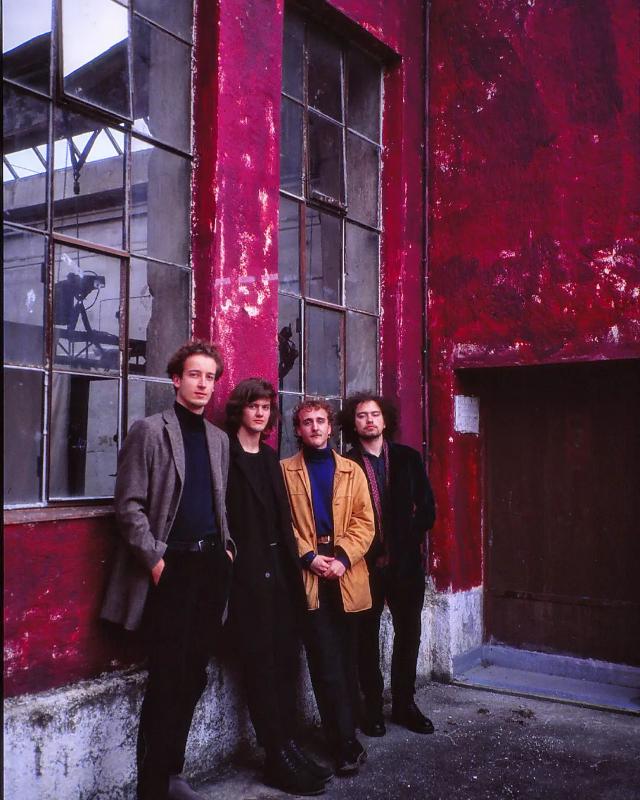
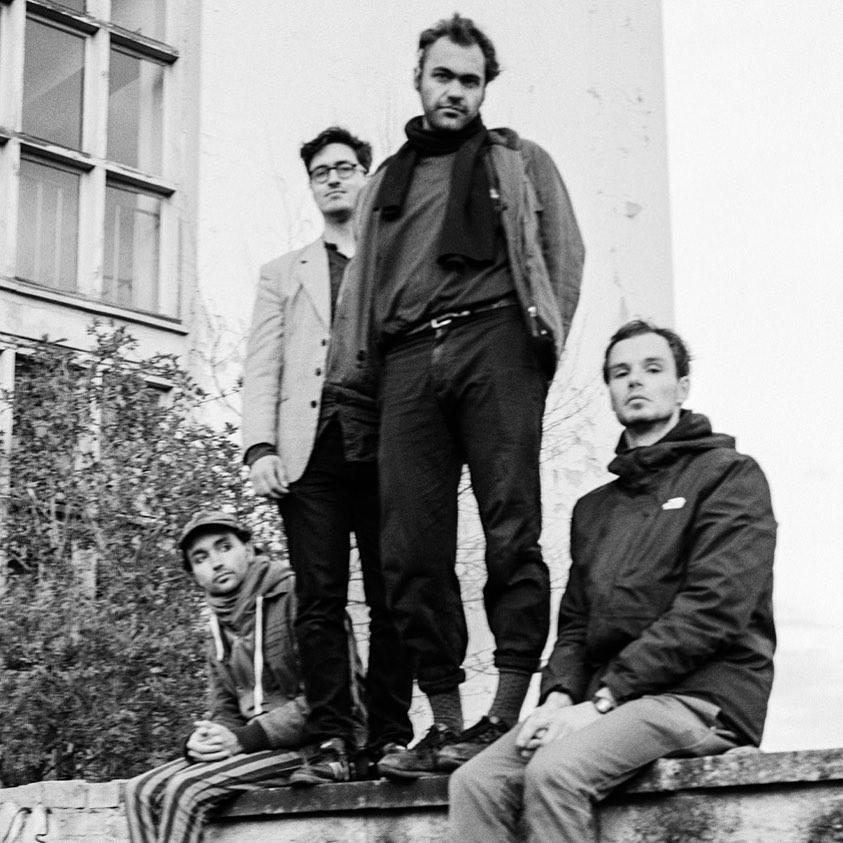
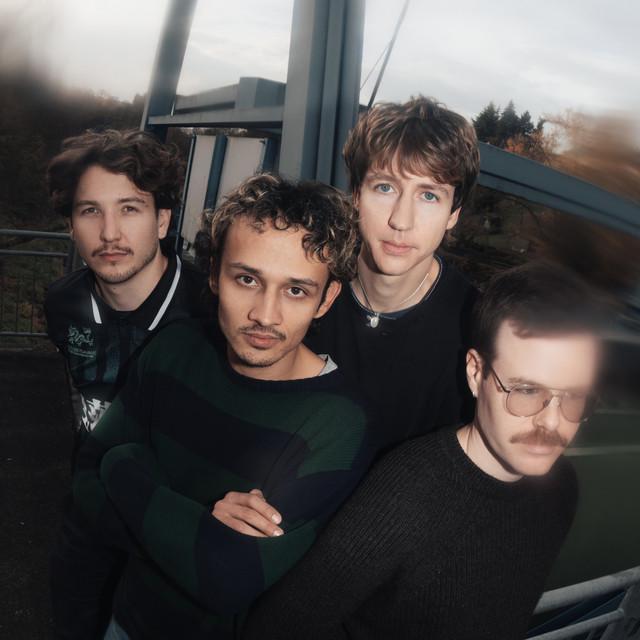
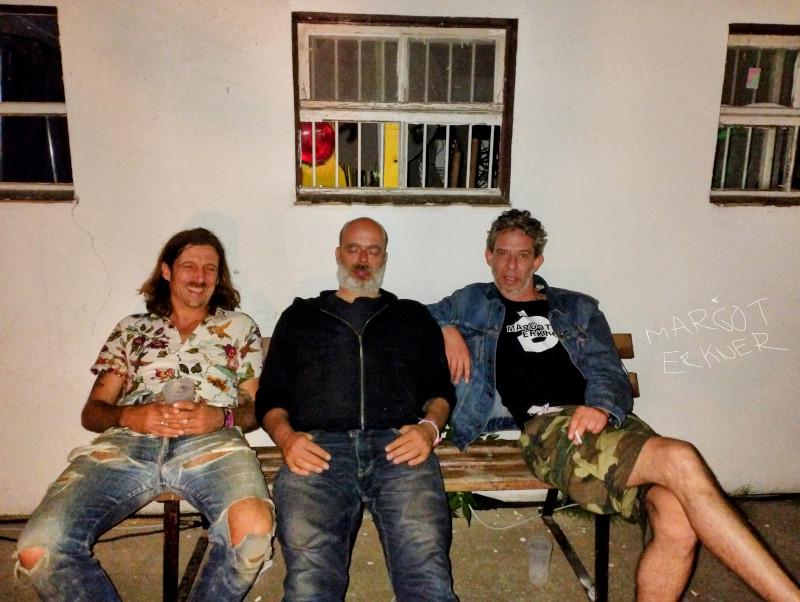
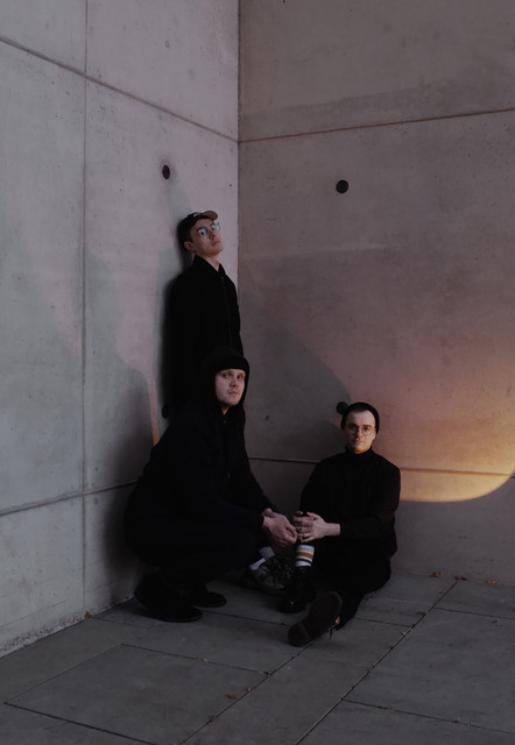
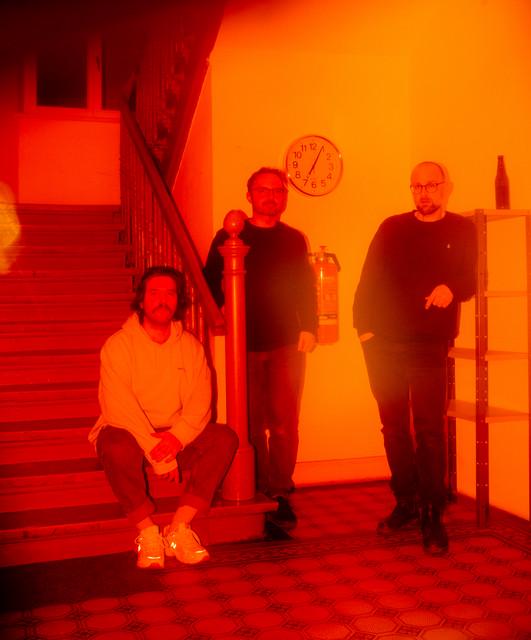
Das Format’s Spotify BioDas Format – Ein Trio:
zwischen Gesellschaftlichem Normalbetrieb & mir tut mein Herz so weh!
Post-Postpunk mit Noisewellen.
Wut gegen Traurigkeit.
Basslauf gegen Big Muff.
Der Rhythmus gleicht uns aus!
Es wird laut und das tut gut:
Denn Maximilian Wörle am Schlagzeug und Maximilian Stephan am Bass,
lassen die Seele spüren, dass das Herz rast. Bruno Tenschert an der Gitarre,
schreit beim Singen. Die Stimme – kurz vor der Rückkopplung – zieht einem die Füße weg. Die geraden Lyrics auf doppeltem Boden machen den Kopf frei.
Es gibt sehr viel zwischen den Zeilen zu entdecken.
Freiraum.
Platz zum Atmen und zum Nachdenken.
Musikalisch zwischen “IDLES” und “Fontaines DC”,
irgendwie No-Future wie McLusky, aber in unsere Zeit gefallen.
Ein Gefühl auf Tape, das man beim Losfahren einlegen kann und aufdrehen muss.
Das Format wurde 2022 von Bruno Tenschert, Maximilian Stephan und Maximilian
Wörle im Tonstudio Albert Matong Atelier für Musik gegründet.
Die Bandmitglieder sind seit vielen Jahren mit… unterschiedlichen Projekten unterwegs. Bruno Tenschert als der Herr Polaris, Maximilian Stephan als Filmkomponist, Sänger und Gitarrist der Progressive-Rockband Carpet und Maximilian Wörle als Sänger und Schlagzeuger der Band Adulescens. Als Das Format suchen sie das große Ganze und eine Rückbesinnung auf das Wesentliche — Energie und Poesie.
Viberate is a music analytics platform built for A&Rs, artist managers, labels, booking agents, marketers, and artists.
It helps music professionals track artist growth, analyze audience data, monitor playlist activity, compare artists, follow song performance, and identify opportunities across the music market.
Public artist pages provide a free preview of selected artist data. Paid plans provide access to deeper analytics, historical data, charts, comparisons, playlist tools, exports, alerts, reports, and additional professional features.
Yes. Public Viberate artist pages provide selected artist analytics and music data for free.
Viberate also offers a 7-day free trial of the full platform. A credit card is required to start the trial. The trial includes access to the complete product so users can test deeper artist analytics, historical views, playlist insights, comparisons, charts, exports, alerts, and reporting features before choosing a paid plan.
Viberate provides artist analytics across streaming, playlists, social media, video, radio airplay, songs, and audience markets.
Users can analyze Spotify performance, Spotify and Apple Music playlists, YouTube activity, TikTok and Instagram growth, radio spins, song performance, audience locations, demographics, rankings, and overall artist momentum.
Artist profiles also connect to music charts, similar artists, and comparison tools, helping users benchmark performance and evaluate artists in context.
Viberate updates key artist and track data daily.
For followed artists and tracks, selected data is refreshed multiple times per day. This helps teams monitor playlist changes, streaming movement, audience growth, releases, and campaign performance with more current data.
Update frequency can vary depending on the metric and data source.
Yes. Viberate lets users compare up to five artists side by side across streaming, social media, audience, and engagement metrics.
Users can compare fanbase growth, audience demographics, locations, Spotify performance, social metrics, and other artist data over selected time periods.
Artist comparison can be used for A&R scouting, benchmarking, booking decisions, campaign planning, and evaluating artists with similar audiences or market positions.