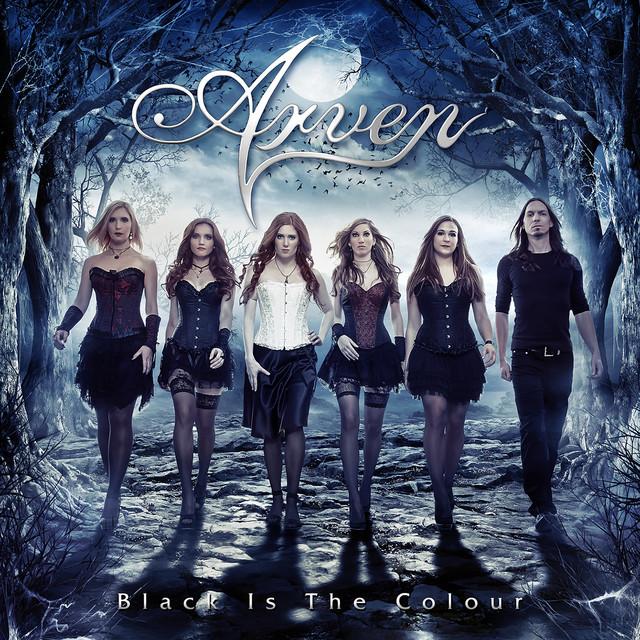
Dark Princess

Metal
Gothic Metal
Hard Rock
 Viberate Rank: 167097
 Viberate Rank: 167097
 Monthly ListenersFollowers
 Subscribers
 Followers
 Followers
 FansTop Spotify Songs
| Track | 7-Day Streams | |
|---|---|---|
1 | 3.09K | |
2 | 1.75K | |
3 | 1.05K | |
4 | 801 | |
5 | 663 |
Top YouTube VideosMonthly ListenersFeatured in Playlists| Playlist | Followers | |
|---|---|---|
1 |  Female Fronted Metal Tennrich | 23.86K |
2 |  GOTHIC METAL & GOTHIC ROCK KiraGaragoru | 19.33K |
3 |  Intro to Gothic Symphonic Metal Particle Detector | 13.10K |
4 |  gothic metal & symphonic metal 🥀 lesfleursdumal | 12.47K |
5 | Female rockers and rock singers Lewis Paul Dowling | 5.80K |
Audience| City | Monthly Listeners | |
|---|---|---|
1 |  | 254 |
2 |  | 223 |
3 |  | 149 |
4 |  | 133 |
5 |  | 126 |
See full performance history, audience data, playlist activity, rankings, comparisons, and more in Viberate music analytics. Start with a free trial, then continue with a paid plan.
Dark Princess’ Spotify BioStarting «Dark Princess» in June 2004 by Olga Romanova, the band quickly released their 1st album «Without You» in 2005. The band performed their first 2 live shows in November 2006 in St. Petersburg & Moscow, after the release of the 2nd album «Stop My Heart»
The 3rd studio album and first Russian-language album «Жестокая Игра» was released in December 2007 and included Russian versions of 10 songs from the previous albums, 2 new English songs and a remix of the song «Жестокая Игра».
After signing to Foreign Repertoire Department of Soyuz-Music in January 2055, Dark Princess signed with Out Of Line Music in 2007, who released the album «Stop My Heart» worldwide in 2008.
In 2008, original member Olga Romanova left the band and Dark Princess kept on making music with another vocalist, but announced the end of Dark Princess in 2013. The album "The World I’ve Lost" was released with a new vocalist on Out of Line in 2012.
In 2020, Olga Trifonova (ex-Romanova) decided to return and bring Dark… Princess back to to life. Only one member was invited to the new band from the previous lineup.
13 songs were recorded for the new album "Phoenix" in less than a year. The 1st new single "Falling To Fly" was unveiled in early 2022 with the new album to be released in 2022 - once again through the label Out Of Line Music.
Viberate is a music analytics platform built for A&Rs, artist managers, labels, booking agents, marketers, and artists.
It helps music professionals track artist growth, analyze audience data, monitor playlist activity, compare artists, follow song performance, and identify opportunities across the music market.
Public artist pages provide a free preview of selected artist data. Paid plans provide access to deeper analytics, historical data, charts, comparisons, playlist tools, exports, alerts, reports, and additional professional features.
Yes. Public Viberate artist pages provide selected artist analytics and music data for free.
Viberate also offers a 7-day free trial of the full platform. A credit card is required to start the trial. The trial includes access to the complete product so users can test deeper artist analytics, historical views, playlist insights, comparisons, charts, exports, alerts, and reporting features before choosing a paid plan.
Viberate provides artist analytics across streaming, playlists, social media, video, radio airplay, songs, and audience markets.
Users can analyze Spotify performance, Spotify and Apple Music playlists, YouTube activity, TikTok and Instagram growth, radio spins, song performance, audience locations, demographics, rankings, and overall artist momentum.
Artist profiles also connect to music charts, similar artists, and comparison tools, helping users benchmark performance and evaluate artists in context.
Viberate updates key artist and track data daily.
For followed artists and tracks, selected data is refreshed multiple times per day. This helps teams monitor playlist changes, streaming movement, audience growth, releases, and campaign performance with more current data.
Update frequency can vary depending on the metric and data source.
Yes. Viberate lets users compare up to five artists side by side across streaming, social media, audience, and engagement metrics.
Users can compare fanbase growth, audience demographics, locations, Spotify performance, social metrics, and other artist data over selected time periods.
Artist comparison can be used for A&R scouting, benchmarking, booking decisions, campaign planning, and evaluating artists with similar audiences or market positions.