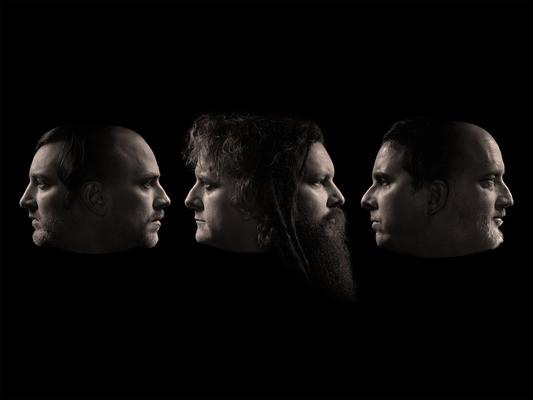
Dark Horses

Rock
Psychedelic Rock
Space Rock
 Viberate Rank: 285544
 Viberate Rank: 285544
 Monthly ListenersFollowers
 Subscribers
 Followers
 Followers
 FansTop Spotify Songs
| Track | 7-Day Streams | |
|---|---|---|
1 | 957 | |
2 | 126 | |
3 | 91 | |
4 | 41 | |
5 | 40 |
Top YouTube VideosMonthly ListenersFeatured in Playlists| Playlist | Followers | |
|---|---|---|
1 |  The Blacklist - All Songs volinarb | 57.28K |
2 |  BLACKLIST The Blacklist | 41.60K |
3 | The Blacklist (NBC) Soundtrack JessTumer | 26.29K |
4 |  The Blacklist soundtrack Claudio Nazzaro | 23.06K |
5 | The Black List Soundtrack Kath Kuebler | 10.17K |
Audience| City | Monthly Listeners | |
|---|---|---|
1 |  | 64 |
2 | | 43 |
3 |  | 38 |
4 | | 32 |
5 | | 31 |
See full performance history, audience data, playlist activity, rankings, comparisons, and more in Viberate music analytics. Start with a free trial, then continue with a paid plan.
Dark Horses’ Spotify BioDark Horses are a darkly psychedelic rock group from Brighton, England, drawing influence from the likes of The Velvet Underground, PJ Harvey, CAN and Gang Of Four.
The band formed in 2010 during a recording session with producer Richard Fearless from Death In Vegas. The current lineup consists of singer Lisa Elle, Bobby Waterson (synth/organ), David Wheeldon (guitar), Anastasia Zio (bass) and Stevie Ingham (drums). They work closely with a range of visual artists, who add a sharp edge to the band's shadowy, atmospheric music.
In August 2012 their first single, Radio, was released, followed soon after by the Fearless-produced album Black Music. Their second single, Alone, was released in April 2013, and has since been featured on HBO's "The Blacklist". The album's release led to support slots with the likes of Beck, Sigur Rós and Black Rebel Motorcycle Club.
The Fugitive Atmospheres EP, also released in 2013, included Radio Offshore, a collaboration with Robert Levon Been from BRMC.
August… 2014 saw the release of their second Fearless-produced album, Hail Lucid State, heralding a rawer sound with hints of post punk and krautrock. The band hit the road in 2015/16 for extensive tours of the UK and Europe, both on their own and supporting The Dandy Warhols.
XIII and Hyper Green gave listeners a taste of their pandemic-delayed third album, While We Were Sleeping, recorded with Bob Earland (Kae Tempest, The BBC Radiophonic Workshop) and released in March 2023.
Viberate is a music analytics platform built for A&Rs, artist managers, labels, booking agents, marketers, and artists.
It helps music professionals track artist growth, analyze audience data, monitor playlist activity, compare artists, follow song performance, and identify opportunities across the music market.
Public artist pages provide a free preview of selected artist data. Paid plans provide access to deeper analytics, historical data, charts, comparisons, playlist tools, exports, alerts, reports, and additional professional features.
Yes. Public Viberate artist pages provide selected artist analytics and music data for free.
Viberate also offers a 7-day free trial of the full platform. A credit card is required to start the trial. The trial includes access to the complete product so users can test deeper artist analytics, historical views, playlist insights, comparisons, charts, exports, alerts, and reporting features before choosing a paid plan.
Viberate provides artist analytics across streaming, playlists, social media, video, radio airplay, songs, and audience markets.
Users can analyze Spotify performance, Spotify and Apple Music playlists, YouTube activity, TikTok and Instagram growth, radio spins, song performance, audience locations, demographics, rankings, and overall artist momentum.
Artist profiles also connect to music charts, similar artists, and comparison tools, helping users benchmark performance and evaluate artists in context.
Viberate updates key artist and track data daily.
For followed artists and tracks, selected data is refreshed multiple times per day. This helps teams monitor playlist changes, streaming movement, audience growth, releases, and campaign performance with more current data.
Update frequency can vary depending on the metric and data source.
Yes. Viberate lets users compare up to five artists side by side across streaming, social media, audience, and engagement metrics.
Users can compare fanbase growth, audience demographics, locations, Spotify performance, social metrics, and other artist data over selected time periods.
Artist comparison can be used for A&R scouting, benchmarking, booking decisions, campaign planning, and evaluating artists with similar audiences or market positions.