Dark Delirium


Metal
Death Metal
 Viberate Rank: 424599
 Viberate Rank: 424599
 Monthly ListenersFollowers
 Subscribers
 Followers
 Followers
 FansTop Spotify Songs
| Track | 7-Day Streams | |
|---|---|---|
1 | 30 | |
2 | 24 | |
3 | 15 | |
4 | 12 | |
5 | 12 |
Top YouTube Videos| Video | 7-Day Views | |
|---|---|---|
1 | 11 | |
2 | 8 | |
3 | 6 | |
4 | 5 | |
5 | 5 |
Monthly ListenersFeatured in Playlists| Playlist | Followers | |
|---|---|---|
1 |  Rock In Rock Out Mempha | 13.00K |
2 |  HEAVY ROTATION - All New Metal & Hard Rock JEITEMILLER | 1.39K |
3 | Middle-Eastern Folk Metal Methaler | 983 |
4 |  PHRYGIAN DOMINANT alperen e. | 521 |
5 |  Nekonomicon - Complete Collection Andri from Pagefire | 469 |
Audience| City | Monthly Listeners | |
|---|---|---|
1 | | 25 |
2 | | 11 |
3 | | 11 |
4 | | 8 |
5 | | 5 |
See full performance history, audience data, playlist activity, rankings, comparisons, and more in Viberate music analytics. Start with a free trial, then continue with a paid plan.
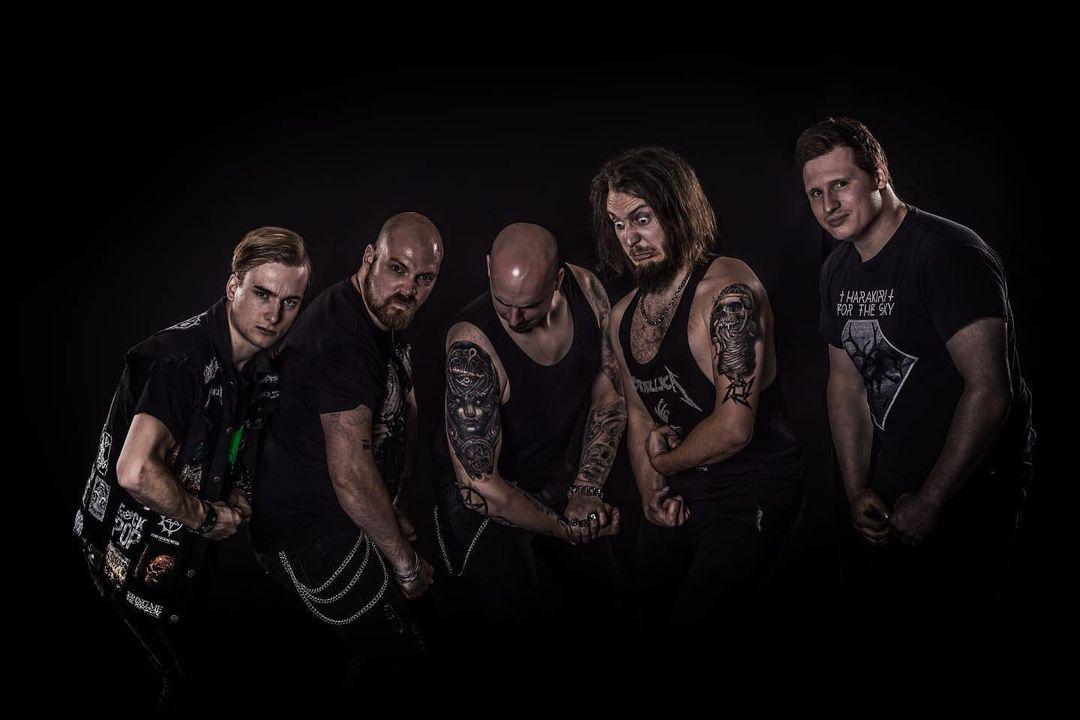
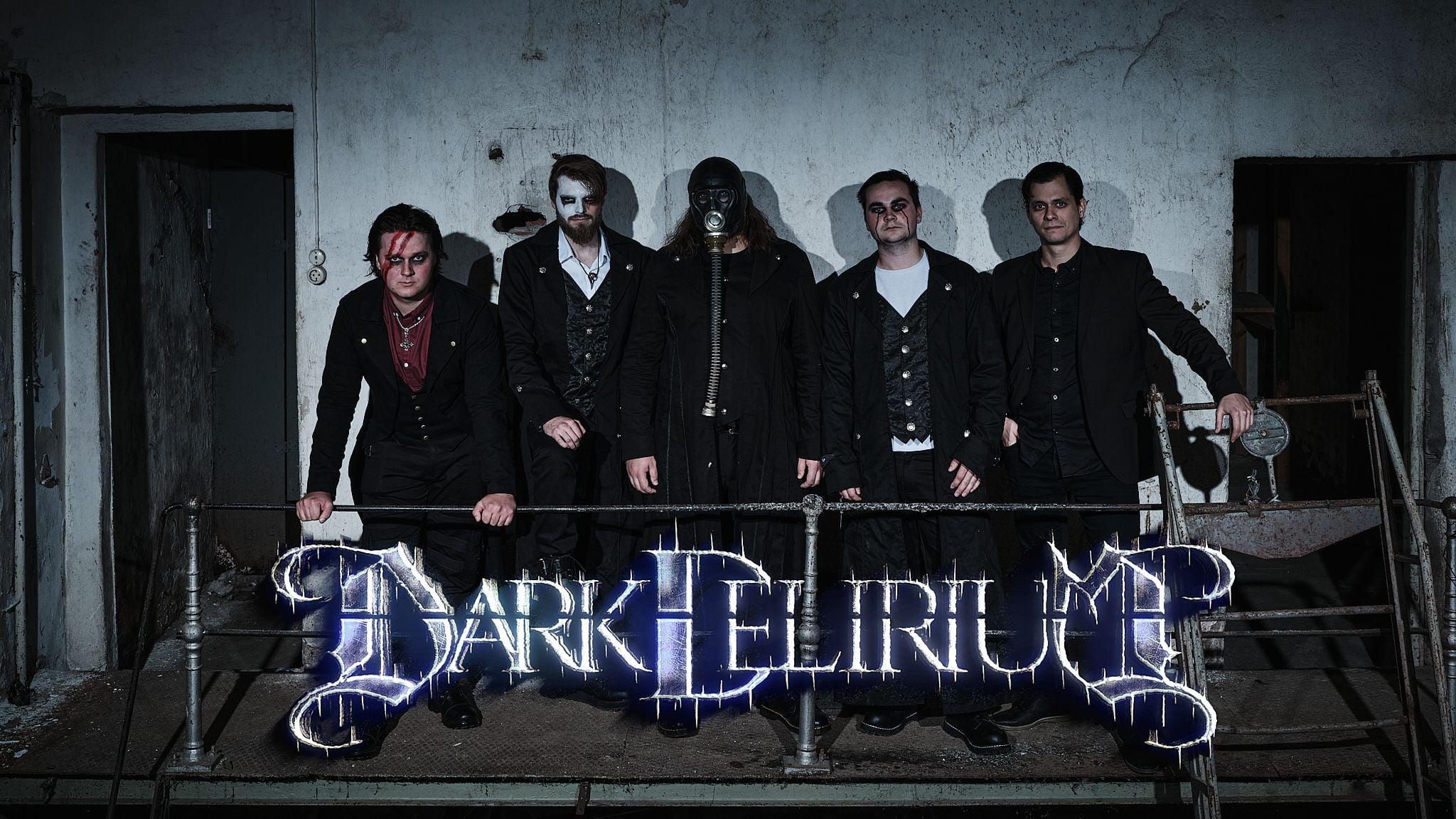
Dark Delirium’s Spotify BioHailing from the grim and stormy west coast of Norway, Dark Delirium started in 2020 as a project during the Covid pandemic by the brothers Simeon Ekse and David Ekse, and their cousin Halvar Moen. The band released two albums, Fallen and Sulphur, in 2021 as a trio, before starting a tour around Norway with Daníel Þorsteinsson on bass and Daniel Bryne on drums, performing intense and heavy shows around the country.
In 2022 they released their third studio, New Era while also changing to their current lineup, which includes Kristoffer Fikstvedt on drums and Trygve Sikveland Røysland on guitar.
The band is known for its interesting story telling and representation of mental illnesses in their music, mixed with melodic and heavy riffs, made to make people mosh and headbang. Dark Delirium continues to expand their reach both live and online, and in 2024 they released their fourth album, Solitude.
Members:
Vocals - Simeon Ekse
Lead guitar - Halvar Moen
Bass - Daniel Logi Thorsteinsson
Drums –… Kristoffer Fikstvedt
Rhythm guitar – Trygve Sikveland Røysland
Viberate is a music analytics platform built for A&Rs, artist managers, labels, booking agents, marketers, and artists.
It helps music professionals track artist growth, analyze audience data, monitor playlist activity, compare artists, follow song performance, and identify opportunities across the music market.
Public artist pages provide a free preview of selected artist data. Paid plans provide access to deeper analytics, historical data, charts, comparisons, playlist tools, exports, alerts, reports, and additional professional features.
Yes. Public Viberate artist pages provide selected artist analytics and music data for free.
Viberate also offers a 7-day free trial of the full platform. A credit card is required to start the trial. The trial includes access to the complete product so users can test deeper artist analytics, historical views, playlist insights, comparisons, charts, exports, alerts, and reporting features before choosing a paid plan.
Viberate provides artist analytics across streaming, playlists, social media, video, radio airplay, songs, and audience markets.
Users can analyze Spotify performance, Spotify and Apple Music playlists, YouTube activity, TikTok and Instagram growth, radio spins, song performance, audience locations, demographics, rankings, and overall artist momentum.
Artist profiles also connect to music charts, similar artists, and comparison tools, helping users benchmark performance and evaluate artists in context.
Viberate updates key artist and track data daily.
For followed artists and tracks, selected data is refreshed multiple times per day. This helps teams monitor playlist changes, streaming movement, audience growth, releases, and campaign performance with more current data.
Update frequency can vary depending on the metric and data source.
Yes. Viberate lets users compare up to five artists side by side across streaming, social media, audience, and engagement metrics.
Users can compare fanbase growth, audience demographics, locations, Spotify performance, social metrics, and other artist data over selected time periods.
Artist comparison can be used for A&R scouting, benchmarking, booking decisions, campaign planning, and evaluating artists with similar audiences or market positions.