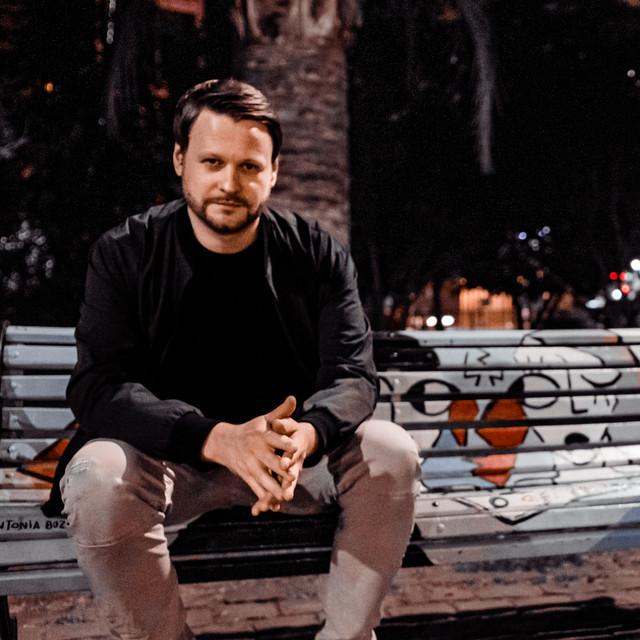
Danny Howells

Electronic
House
Progressive House
 Viberate Rank: 78582
 Viberate Rank: 78582
 Monthly ListenersFollowers
 Subscribers
 Followers
 Followers
 FansTop Spotify Songs
| Track | 7-Day Streams | |
|---|---|---|
1 | 6.36K | |
2 | 1.25K | |
3 | 1.10K | |
4 | 1.10K | |
5 | 880 |
Top YouTube VideosMonthly ListenersFeatured in Playlists| Playlist | Followers | |
|---|---|---|
1 |  Around Midnight Glasgow Underground | 62.69K |
2 |  Living Room House @chrisluno | 47.47K |
3 |  Best Progressive House 2026 Progressive Argentina | 45.29K |
4 | House Classics 2000-2010 axelheiberg | 41.38K |
5 |  Iguana Dance 2005 Milton Sepúlveda | 19.18K |
Audience| City | Monthly Listeners | |
|---|---|---|
1 | | 1.42K |
2 |  | 1.35K |
3 |  | 763 |
4 | | 667 |
5 |  | 643 |
See full performance history, audience data, playlist activity, rankings, comparisons, and more in Viberate music analytics. Start with a free trial, then continue with a paid plan.
Danny Howells’ Spotify BioA phenomenally versatile DJ, Danny Howells is as renowned for his work in the studio as in the clubs. A masterful mixer with seven albums to his name, an equally noted remixer, and an innovative producer in his own right under the monikers Squelch and Science Deptartment, Danny Howells has stamped his own sound across the modern dance scene. Born in the small resort town of Hastings, on England's southern coast, Howells played his first party at the end of the '80s in celebration of his hero Prince's birthday. An avid record collector, after stepping behind the turntables, the DJ never looked back and he was soon spinning regularly around the local clubs.
In late 1991, a friend handed one of Howells' mix tapes to Bedrock founder John Digweed, who immediately enlisted the young DJ for his own parties. Howells accompanied Bedrock first up the road to Brighton, then further north to the pleasant suburb of Seven Oaks, and finally in the late '90s, to the capital, where the Bedrock crew… settled in at Heaven.
Meanwhile, Howells grew interested in producing his own tracks and eventually hooked up with a local Hastings electronics veteran Tim Cross.
Working out of Cross' home studio, in 1995 the pair released the experimental, abstract techno single "Darkhappy," under the name Squelch. They changed gears for the funky, hip-hop-flavored
"Calmdown" and shifted once again for "Schmelch." The songs brought them to the attention of the Jackpot label, who quickly snapped up the DJs. In 1997, Squelch's final single, the driving "Crash," became an instant danceclub hit. Unfortunately, Howells and Cross then had a falling out, and although they quickly patched up their friendship, their working relationship was at an end.
Still, 1997 was a great year for the DJ. Jackpot had bought up the seminal Guerilla label's back catalog and immediately handed the tracks to Howells to mix as the Jackpot Presents Guerilla album. The label also gave the DJ his first crack at remixing; he was paired with Rob Green, and the two set about working on React to Rhythm's "Intoxication." A headlining DJ tour followed. Suddenly Howells found himself with a new audience, and in the case of the Netherlands, a large and loyal fan base as well. The Dutch were quick to recognize the DJ's unique capabilities, and in 1998, he signed with that nation's ID&T label and began work on his debut mix album, Nightlife Report, Vol. 2.
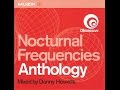
As the new millennium dawned, Howells' music littered the landscape. There were a clutch of remixes done in conjunction with Green and several on his own, including Robbie Williams' "South of the Border," Slide's "Confusional State," Astrax's "Kafka," and his own personal favorite, BT's "Dreaming," amongst many more. The DJ also mixed a collection of the UG label's tracks for the Danny Howells Presents UG album in 1999. As with the Guerilla album, he wasn't able to choose his songs, but for Nocturnal Frequencies, the first in a series of Howells' mix albums of the same title, he could. Howells now began collaborating with Dick Trevor, initially on remixes, and the pair had a sizable hit with Moca/Morales' "Higher." For their own productions, the two took the moniker Science Department and their debut double A-sided single, 1999's "Repercussion"/"Persuasion," was highly lauded by the press and club goers alike.
Howells' adventurous yet subtle style -- trancy but with a funky edge, featuring a playful mixture of retro and recent sounds, fattened with loops and samples -- was receiving ever more acclaim. The DJ was fast becoming an international star, feted by clubs around the world. He took residencies at Renaissance in Nottingham, Ministry of Sound in London, Cream in Liverpool, Lush in Ireland, Bedrock, of course, and continued to spin regularly in the Netherlands. His turntable talents gained him a Top Ten placement in the British magazine DJ Mag's 2000 reader's poll.
Howells' new mix album, Nocturnal Frequencies 2, also arrived that year and he continued working on remixes and Science Department productions. Later in 2000, the DJ made the difficult decision to finally leave Bedrock, feeling he needed both a change of scenery and a chance to become a bit more independent, for in a way, the club had become almost like a security blanket. He also departed from Ministry of Sound, but then took on a residency at New York City's much vaunted Twilo club.
Science Department finished a new track, "Breathe," which found a comfortable niche on Howells next mix album, the acclaimed Danny Howells -- Nu Breed, part of a series of acclaimed offerings by the Global Underground label. ~ Jo-Ann Greene, Rovi
Viberate is a music analytics platform built for A&Rs, artist managers, labels, booking agents, marketers, and artists.
It helps music professionals track artist growth, analyze audience data, monitor playlist activity, compare artists, follow song performance, and identify opportunities across the music market.
Public artist pages provide a free preview of selected artist data. Paid plans provide access to deeper analytics, historical data, charts, comparisons, playlist tools, exports, alerts, reports, and additional professional features.
Yes. Public Viberate artist pages provide selected artist analytics and music data for free.
Viberate also offers a 7-day free trial of the full platform. A credit card is required to start the trial. The trial includes access to the complete product so users can test deeper artist analytics, historical views, playlist insights, comparisons, charts, exports, alerts, and reporting features before choosing a paid plan.
Viberate provides artist analytics across streaming, playlists, social media, video, radio airplay, songs, and audience markets.
Users can analyze Spotify performance, Spotify and Apple Music playlists, YouTube activity, TikTok and Instagram growth, radio spins, song performance, audience locations, demographics, rankings, and overall artist momentum.
Artist profiles also connect to music charts, similar artists, and comparison tools, helping users benchmark performance and evaluate artists in context.
Viberate updates key artist and track data daily.
For followed artists and tracks, selected data is refreshed multiple times per day. This helps teams monitor playlist changes, streaming movement, audience growth, releases, and campaign performance with more current data.
Update frequency can vary depending on the metric and data source.
Yes. Viberate lets users compare up to five artists side by side across streaming, social media, audience, and engagement metrics.
Users can compare fanbase growth, audience demographics, locations, Spotify performance, social metrics, and other artist data over selected time periods.
Artist comparison can be used for A&R scouting, benchmarking, booking decisions, campaign planning, and evaluating artists with similar audiences or market positions.