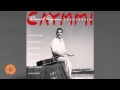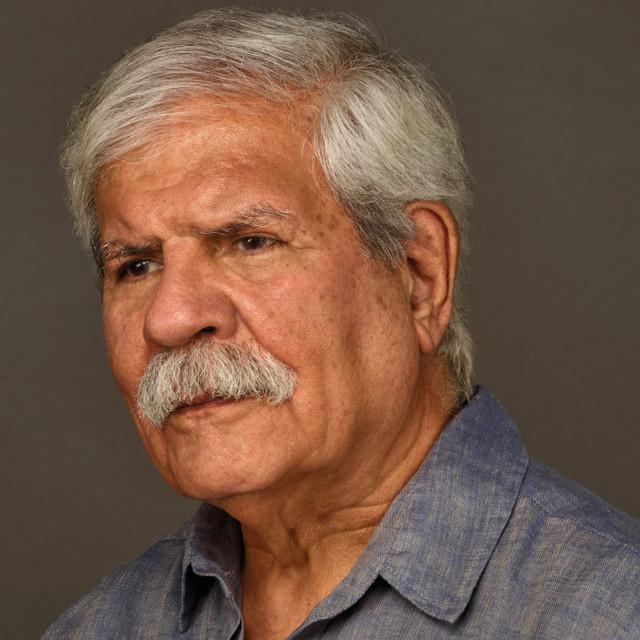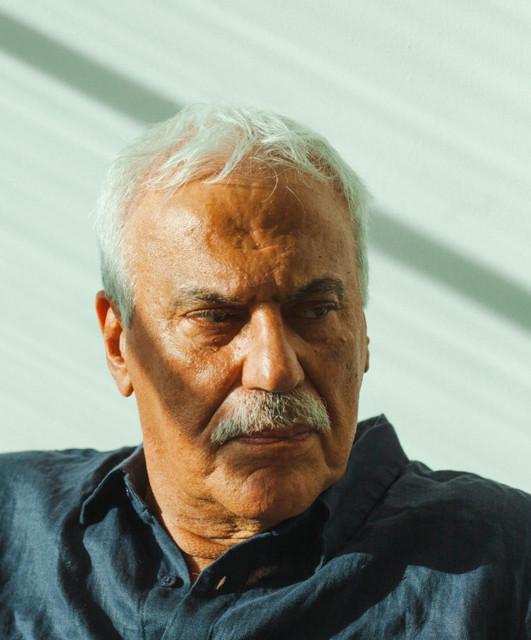
Danilo Caymmi

Jazz
Latin Jazz
Nova MPB
 Viberate Rank: 49499
 Viberate Rank: 49499
 Monthly ListenersFollowers
 Subscribers
 Followers
 Followers
 FansTop Spotify Songs
| Track | 7-Day Streams | |
|---|---|---|
1 | 11.04K | |
2 | 9.85K | |
3 | 8.14K | |
4 | 6.48K | |
5 | 5.68K |
Top YouTube Videos| Video | 7-Day Views | |
|---|---|---|
1 | 4.05K | |
2 | 268 | |
3 | 260 | |
4 | 258 | |
5 | 240 |
Monthly ListenersFeatured in Playlists| Playlist | Followers | |
|---|---|---|
1 |  Acústico MPB Spotify | 1.71M |
2 |  MPB Barzinho - As Melhores topspotlists | 375.89K |
3 |  MPB só as melhores e mais tocadas de todos os tempos As melhores de MPB | 100.58K |
4 |  MPB DAS ANTIGAS - SÓ AS MELHORES Erickplay12 | 69.03K |
5 |  AS 100 MELHORES DA MPB Tainah Ferreira | 61.28K |
Audience| City | Monthly Listeners | |
|---|---|---|
1 | | 18.65K |
2 | | 12.31K |
3 | | 6.61K |
4 | | 5.82K |
5 | | 4.58K |
See full performance history, audience data, playlist activity, rankings, comparisons, and more in Viberate music analytics. Start with a free trial, then continue with a paid plan.
Danilo Caymmi’s Spotify BioAccompanist for Dorival Caymmi and Tom Jobim (as a member of Jobim's Banda Nova), Danilo Caymmi also wrote soundtracks for several TV Globo series and soap operas like Mulheres de Areia, Corpo e Alma, and Riacho Doce. As a solo artist, he has recorded seven albums, interpreting his compositions. Born in a famous musical family, Danilo Caymmi is the son of one of Brazil's most important popular composers, Dorival Caymmi. His mother is former singer Stella Maris (Adelaide Tostes Caymmi) who abandoned the profession after the marriage and gave a rare testimony of her talent in Caymmi Visita Tom, also Caymmi's debut album (recorded in 1963, he was 15 at the time). Caymmi is also the brother of two other famous artists, Nana Caymmi and Dori Caymmi. Caymmi began to learn the flute and the violão (acoustic guitar) around 1962. He studied the flute with Lenir Siqueira and Odette Ernst Dias and the violão with the brother Dori. He also took theory classes. His first composition to be recorded… was "De Brincadeira" (by Mário Castro-Neves, in 1967). He won the third place in TV Globo's III Festival Internacional da Canção (1968) with "Andança" (written with Edmundo Souto/Paulinho Tapajós). The song became a classic, having been recorded many times by different artists. Another of his biggest hits came next year, "Casaco Marrom (Bye Bye, Ceci)," written with Guarabira/Renato Correia (the latter being one of the Golden Boys), with which he won the 1969 festival of Juiz de Fora MG and also had several re-recordings. The first solo album came in 1973, in a period when his main activities were to accompany his father, brother, and sister. In 1983, he became a member of Tom Jobim's Banda Nova. There, Caymmi would have a precious experience as an arranger; also in that period, encouraged by Jobim, he decided to focus in his career as a vocal interpreter. Exploring his good looks, Danilo Caymmi openly writes and interprets for the feminine audience and his style explores a light romantic feel, different from his sister Nana, who goes deeper in the pains of love. With that formula, he recorded five solo albums in the '90s. ~ Alvaro Neder, Rovi
Viberate is a music analytics platform built for A&Rs, artist managers, labels, booking agents, marketers, and artists.
It helps music professionals track artist growth, analyze audience data, monitor playlist activity, compare artists, follow song performance, and identify opportunities across the music market.
Public artist pages provide a free preview of selected artist data. Paid plans provide access to deeper analytics, historical data, charts, comparisons, playlist tools, exports, alerts, reports, and additional professional features.
Yes. Public Viberate artist pages provide selected artist analytics and music data for free.
Viberate also offers a 7-day free trial of the full platform. A credit card is required to start the trial. The trial includes access to the complete product so users can test deeper artist analytics, historical views, playlist insights, comparisons, charts, exports, alerts, and reporting features before choosing a paid plan.
Viberate provides artist analytics across streaming, playlists, social media, video, radio airplay, songs, and audience markets.
Users can analyze Spotify performance, Spotify and Apple Music playlists, YouTube activity, TikTok and Instagram growth, radio spins, song performance, audience locations, demographics, rankings, and overall artist momentum.
Artist profiles also connect to music charts, similar artists, and comparison tools, helping users benchmark performance and evaluate artists in context.
Viberate updates key artist and track data daily.
For followed artists and tracks, selected data is refreshed multiple times per day. This helps teams monitor playlist changes, streaming movement, audience growth, releases, and campaign performance with more current data.
Update frequency can vary depending on the metric and data source.
Yes. Viberate lets users compare up to five artists side by side across streaming, social media, audience, and engagement metrics.
Users can compare fanbase growth, audience demographics, locations, Spotify performance, social metrics, and other artist data over selected time periods.
Artist comparison can be used for A&R scouting, benchmarking, booking decisions, campaign planning, and evaluating artists with similar audiences or market positions.