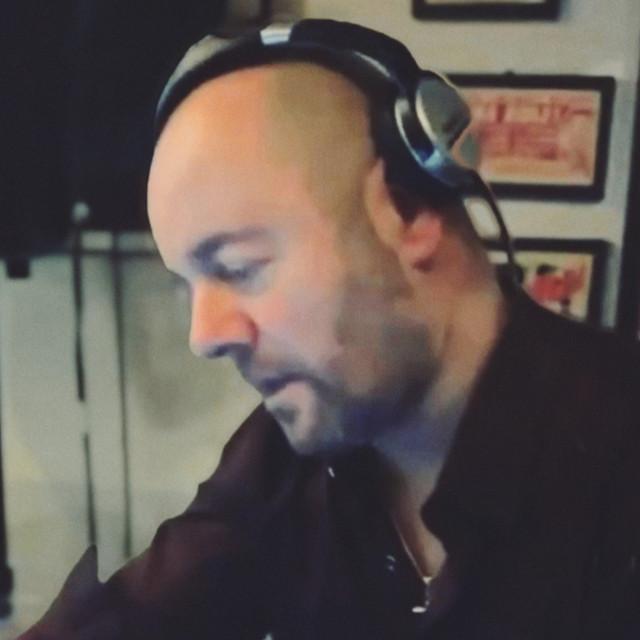
Daniele Baldelli

Electronic
House
Disco
 Viberate Rank: 120910
 Viberate Rank: 120910
 Monthly ListenersFollowers
 Subscribers
 Followers
 Followers
 FansTop Spotify SongsTop YouTube VideosMonthly ListenersFeatured in Playlists
| Playlist | Followers | |
|---|---|---|
1 |  Italo Disco Spotify | 435.89K |
2 |  80s Remix 90s Remix Club & Dance Lazerboyz | 134.51K |
3 |  Disco Funk music 🕺 70 80 90 📻 Enzo Pianzola Mr. Trend | 62.14K |
4 |  Jazz Funk & Groove Guillermo Lanzani Lagomarsino | 36.08K |
5 |  Jazz Italia Spotify | 35.30K |
Audience| City | Monthly Listeners | |
|---|---|---|
1 |  | 942 |
2 |  | 785 |
3 |  | 619 |
4 | | 495 |
5 |  | 490 |
See full performance history, audience data, playlist activity, rankings, comparisons, and more in Viberate music analytics. Start with a free trial, then continue with a paid plan.
Daniele Baldelli’s Spotify BioA founding father of the Cosmic Disco sound, Italian DJ Daniele Baldelli rose to prominence with his mixture of European electronica, synth pop (often played at slower speeds), equalizer effects, and ethnic folk music. Baldelli's use of African and Brazilian material helped distinguish his style from Italo disco, which permeated the clubs of Northern Italy during the 1970s. Taking up residence at the Cosmic, a venue by Lake Garda, he introduced club goers to a worldly, hypnotic sound during the late '70s and early '80s. Although the Cosmic Disco movement slowed down as the '80s progressed, Baldelli's reputation allowed him to extend his career into the following decades.
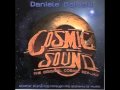
Baldelli was born in 1952 in the tourist town of Cattolica, where he made his DJ debut at the age of 17. After logging several years at the Tabu Club, he was recruited to take his record-spinning expertise to Baia, which in turn led to a multi-year residency at Cosmic. The infamous club opened in April 1979 and was… instrumental in developing Baldelli's signature sound, which took influence from the club's drug culture (namely heroin, which caused its users to dance slowly) and the waning popularity of traditional dance music. Drug problems forced many clubs to close during the 1980s, but Baldelli's influence persevered into the 21st century, aided in part by such compilations as Cosmic Sound and Baia Degli Angeli 1977-1978. ~ Andrew Leahey, Rovi
Viberate is a music analytics platform built for A&Rs, artist managers, labels, booking agents, marketers, and artists.
It helps music professionals track artist growth, analyze audience data, monitor playlist activity, compare artists, follow song performance, and identify opportunities across the music market.
Public artist pages provide a free preview of selected artist data. Paid plans provide access to deeper analytics, historical data, charts, comparisons, playlist tools, exports, alerts, reports, and additional professional features.
Yes. Public Viberate artist pages provide selected artist analytics and music data for free.
Viberate also offers a 7-day free trial of the full platform. A credit card is required to start the trial. The trial includes access to the complete product so users can test deeper artist analytics, historical views, playlist insights, comparisons, charts, exports, alerts, and reporting features before choosing a paid plan.
Viberate provides artist analytics across streaming, playlists, social media, video, radio airplay, songs, and audience markets.
Users can analyze Spotify performance, Spotify and Apple Music playlists, YouTube activity, TikTok and Instagram growth, radio spins, song performance, audience locations, demographics, rankings, and overall artist momentum.
Artist profiles also connect to music charts, similar artists, and comparison tools, helping users benchmark performance and evaluate artists in context.
Viberate updates key artist and track data daily.
For followed artists and tracks, selected data is refreshed multiple times per day. This helps teams monitor playlist changes, streaming movement, audience growth, releases, and campaign performance with more current data.
Update frequency can vary depending on the metric and data source.
Yes. Viberate lets users compare up to five artists side by side across streaming, social media, audience, and engagement metrics.
Users can compare fanbase growth, audience demographics, locations, Spotify performance, social metrics, and other artist data over selected time periods.
Artist comparison can be used for A&R scouting, benchmarking, booking decisions, campaign planning, and evaluating artists with similar audiences or market positions.