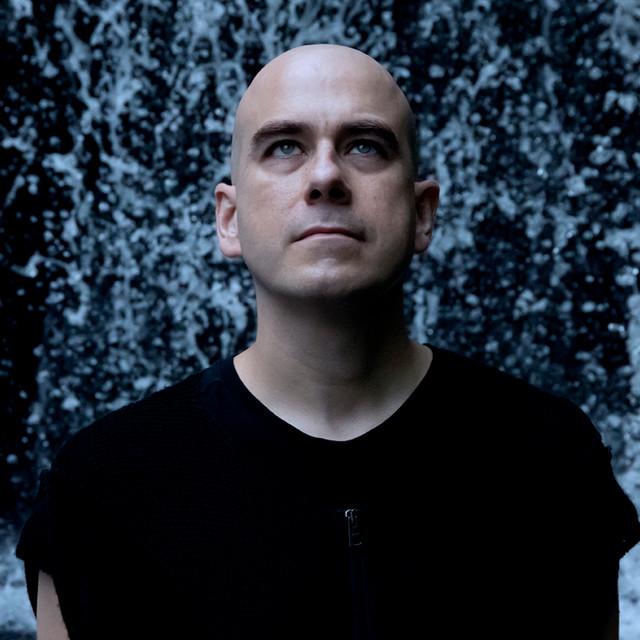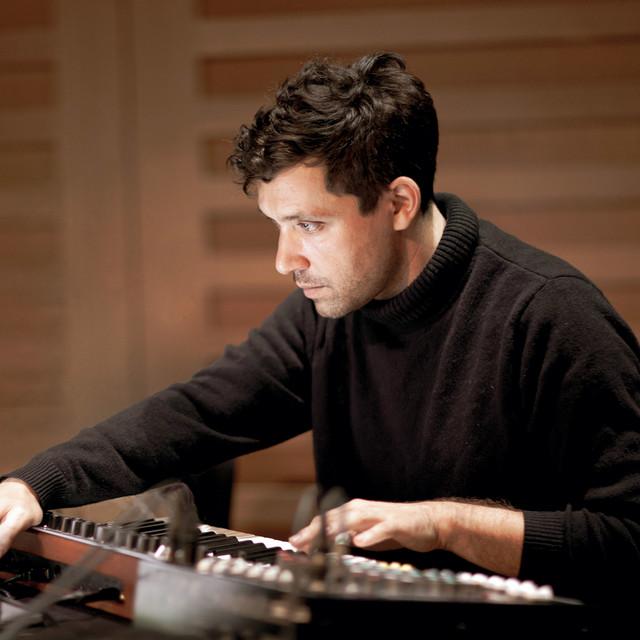
Daniel Wohl

Classical
Classical Crossover
Other Electronic Music
 Viberate Rank: 427654
 Viberate Rank: 427654
 Monthly ListenersFollowers
 Subscribers
 Followers
 Followers
 FansTop Spotify Songs
| Track | 7-Day Streams | |
|---|---|---|
1 | 36 | |
2 | 33 | |
3 | 23 | |
4 | 18 | |
5 | 16 |
Top YouTube Videos| Video | 7-Day Views | |
|---|---|---|
1 | 4 |
Monthly ListenersFeatured in Playlists| Playlist | Followers | |
|---|---|---|
1 |  NPR Music's Songs Of 2016 NPR Music | 10.85K |
2 |  The Top 100 Songs Of 2016 NPR Music | 10.44K |
3 |  plantasia 🌿☻ ëra october ☆彡 | 9.00K |
4 |  Viking's Choice with Lars Gotrich NPR Music | 5.74K |
5 |  DEEP WORK Jeff Beaulieu | 2.67K |
Audience| City | Monthly Listeners | |
|---|---|---|
1 |  | 21 |
2 | | 19 |
3 | | 16 |
4 |  | 14 |
5 |  | 9 |
See full performance history, audience data, playlist activity, rankings, comparisons, and more in Viberate music analytics. Start with a free trial, then continue with a paid plan.
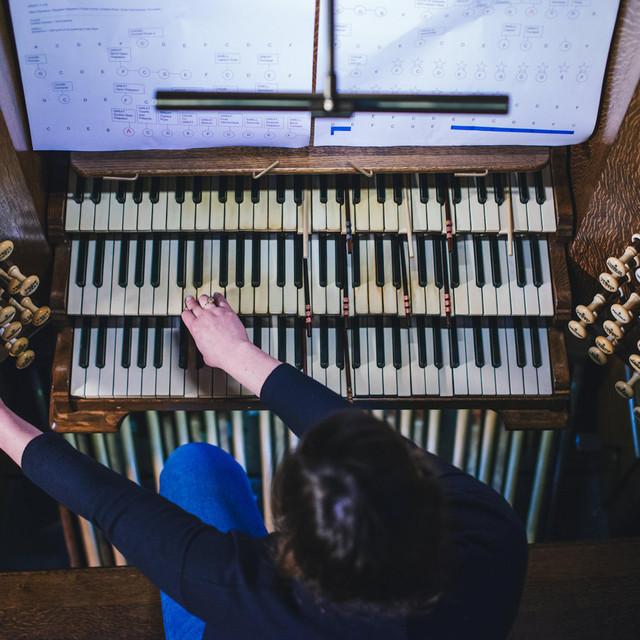
Daniel Wohl’s Spotify BioDaniel Wohl is a composer who blends electronics with acoustic instrumentation to often "surprising and provocative effect" (NPR). HIs multifaceted output ranges from music for soloists to immersive electronic pieces, music for film and television, chamber ensembles, and works for large orchestra.
Performances of his concert music have been held at the Broad Museum, MASS MoCA, the Hollywood Bowl, Carnegie Hall, The Barbican, and MoMA PS1, performed by ensembles such as the Cincinnati Symphony, the Los Angeles Philharmonic, Alarm Will Sound, The London Contemporary Orchestra, among others. The New York Times has described his compositions as "a vivid and boldly surreal aural experience".
Currently residing in Los Angeles, Daniel has been involved in multiple film and television projects, working with directors such as Josephine Decker for "Rise Again", and Morgan Neville for "They'll Love Me When I'm Dead". Along with his film work, he has also collaborated with a diverse range of… musical artists, including Johann Johannson, Son Lux, and Arooj Aftab.
His latest album Etat was recently released on Nonesuch and New Amsterdam Records. A graduate of the Yale School of Music, Daniel studied primarily with composer David Lang.
Viberate is a music analytics platform built for A&Rs, artist managers, labels, booking agents, marketers, and artists.
It helps music professionals track artist growth, analyze audience data, monitor playlist activity, compare artists, follow song performance, and identify opportunities across the music market.
Public artist pages provide a free preview of selected artist data. Paid plans provide access to deeper analytics, historical data, charts, comparisons, playlist tools, exports, alerts, reports, and additional professional features.
Yes. Public Viberate artist pages provide selected artist analytics and music data for free.
Viberate also offers a 7-day free trial of the full platform. A credit card is required to start the trial. The trial includes access to the complete product so users can test deeper artist analytics, historical views, playlist insights, comparisons, charts, exports, alerts, and reporting features before choosing a paid plan.
Viberate provides artist analytics across streaming, playlists, social media, video, radio airplay, songs, and audience markets.
Users can analyze Spotify performance, Spotify and Apple Music playlists, YouTube activity, TikTok and Instagram growth, radio spins, song performance, audience locations, demographics, rankings, and overall artist momentum.
Artist profiles also connect to music charts, similar artists, and comparison tools, helping users benchmark performance and evaluate artists in context.
Viberate updates key artist and track data daily.
For followed artists and tracks, selected data is refreshed multiple times per day. This helps teams monitor playlist changes, streaming movement, audience growth, releases, and campaign performance with more current data.
Update frequency can vary depending on the metric and data source.
Yes. Viberate lets users compare up to five artists side by side across streaming, social media, audience, and engagement metrics.
Users can compare fanbase growth, audience demographics, locations, Spotify performance, social metrics, and other artist data over selected time periods.
Artist comparison can be used for A&R scouting, benchmarking, booking decisions, campaign planning, and evaluating artists with similar audiences or market positions.