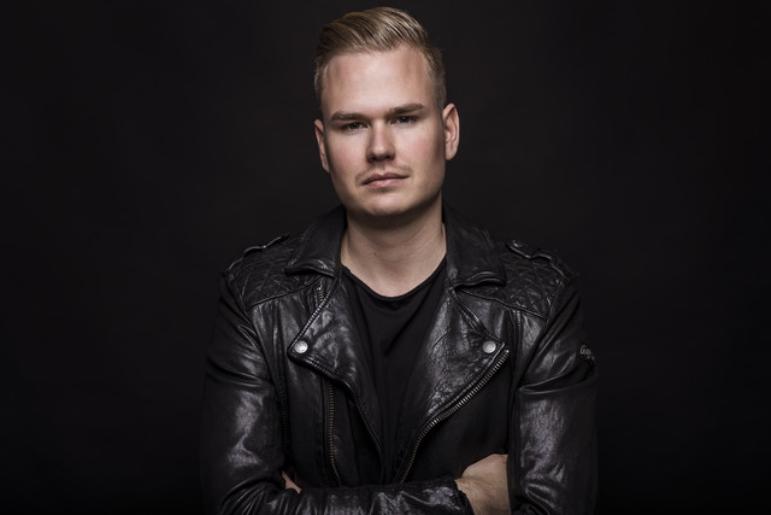
Daniel Levak

Electronic
Techno
 Viberate Rank: 197720
 Viberate Rank: 197720
 Monthly ListenersFollowers
 Subscribers
 Followers
 Followers
 FansTop Spotify Songs
| Track | 7-Day Streams | |
|---|---|---|
1 | 7.82K | |
2 | 2.41K | |
3 | 1.39K | |
4 | 1.33K | |
5 | 911 |
Top YouTube VideosMonthly ListenersFeatured in Playlists| Playlist | Followers | |
|---|---|---|
1 |  Techno Rave ali.dapar | 110.26K |
2 |  Techno House Trips Monroychis (playlist) | 88.08K |
3 |  Techno Rave - James Hype - Fisher - Adam Beyer Geoviomgmt | 58.76K |
4 |  Peak Time Techno dig dis! | 36.07K |
5 |  MAREN BALLERT. marenschiller | 34.21K |
Audience| City | Monthly Listeners | |
|---|---|---|
1 | | 2.27K |
2 | | 1.39K |
3 | | 1.34K |
4 | | 1.24K |
5 | | 1.01K |
See full performance history, audience data, playlist activity, rankings, comparisons, and more in Viberate music analytics. Start with a free trial, then continue with a paid plan.
Daniel Levak’s Spotify BioBorn straight into the heydays of the booming Acid House craze back in near Frankfurt / Germany which was about to become one of the epicenters of the countries dance / electronic music scene it's not surprising that Daniel Levak picked up on his love of music at a young age. Harassing his older sister to sort him out with tapes of recent electronic chart and radio hits of the time from the age of seven onwards he grew up on a widespread diet of 90s club sounds, citing Daft Punk as one of his early inspirations to indulge in the nightlife world which inevitably led to him making venues like Sven Väth's legendary Cocoon Club his second home in the late noughties. Exposed to a fair share of quality Minimal, TechHouse and Techno throughout his formative clubbing years Daniel Levak soon started to dive deeper into the scene, honing his skills as DJ and producer whilst also setting up first events and getting into promoting club nights at the same time, culminating in the 2016 launch of the… Aquaphobie Festival in his hometown of Erlenbach which more than doubled in size over the next two subsequent years and grew into the city’s main electronic event in only a short time. Dabbling with the different aspects of electronic music culture and finally settling in between Tech and Techno as his musical niche, he is now an indispensable part of all big techno playlists on Spotify, with a constant high-quality output.
Viberate is a music analytics platform built for A&Rs, artist managers, labels, booking agents, marketers, and artists.
It helps music professionals track artist growth, analyze audience data, monitor playlist activity, compare artists, follow song performance, and identify opportunities across the music market.
Public artist pages provide a free preview of selected artist data. Paid plans provide access to deeper analytics, historical data, charts, comparisons, playlist tools, exports, alerts, reports, and additional professional features.
Yes. Public Viberate artist pages provide selected artist analytics and music data for free.
Viberate also offers a 7-day free trial of the full platform. A credit card is required to start the trial. The trial includes access to the complete product so users can test deeper artist analytics, historical views, playlist insights, comparisons, charts, exports, alerts, and reporting features before choosing a paid plan.
Viberate provides artist analytics across streaming, playlists, social media, video, radio airplay, songs, and audience markets.
Users can analyze Spotify performance, Spotify and Apple Music playlists, YouTube activity, TikTok and Instagram growth, radio spins, song performance, audience locations, demographics, rankings, and overall artist momentum.
Artist profiles also connect to music charts, similar artists, and comparison tools, helping users benchmark performance and evaluate artists in context.
Viberate updates key artist and track data daily.
For followed artists and tracks, selected data is refreshed multiple times per day. This helps teams monitor playlist changes, streaming movement, audience growth, releases, and campaign performance with more current data.
Update frequency can vary depending on the metric and data source.
Yes. Viberate lets users compare up to five artists side by side across streaming, social media, audience, and engagement metrics.
Users can compare fanbase growth, audience demographics, locations, Spotify performance, social metrics, and other artist data over selected time periods.
Artist comparison can be used for A&R scouting, benchmarking, booking decisions, campaign planning, and evaluating artists with similar audiences or market positions.