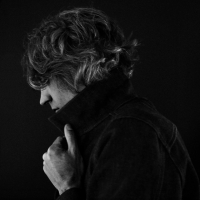
Daniel Davies

Electronic
Ambient
Synthwave
 Viberate Rank: 47546
 Viberate Rank: 47546
 Monthly ListenersFollowers
 Subscribers
 Followers
 Followers
 FansTop Spotify Songs
| Track | 7-Day Streams | |
|---|---|---|
1 | 75.98K | |
2 | 12.71K | |
3 | 11.88K | |
4 | 11.06K | |
5 | 10.97K |
Top YouTube Videos| Video | 7-Day Views | |
|---|---|---|
1 | 22.78K | |
2 | 2.03K | |
3 | 1.24K | |
4 | 448 | |
5 | 18 |
Monthly ListenersFeatured in Playlists| Playlist | Followers | |
|---|---|---|
1 |  Halloween Playlist 2026🎃 Holiday Vibes | 983.12K |
2 |  Cyberpunk 2077 LiquiCorn | 115.05K |
3 |  BEST HALLOWEEN SONGS❗️🎃 Luna!!!☆ | 90.82K |
4 |  Cyberpunk 2077 Plissken | 84.77K |
5 |  Cyberpunk Vibes Noah | 70.72K |
Audience| City | Monthly Listeners | |
|---|---|---|
1 |  | 30.73K |
2 |  | 29.35K |
3 | | 25.39K |
4 | | 23.31K |
5 | | 23.13K |
See full performance history, audience data, playlist activity, rankings, comparisons, and more in Viberate music analytics. Start with a free trial, then continue with a paid plan.
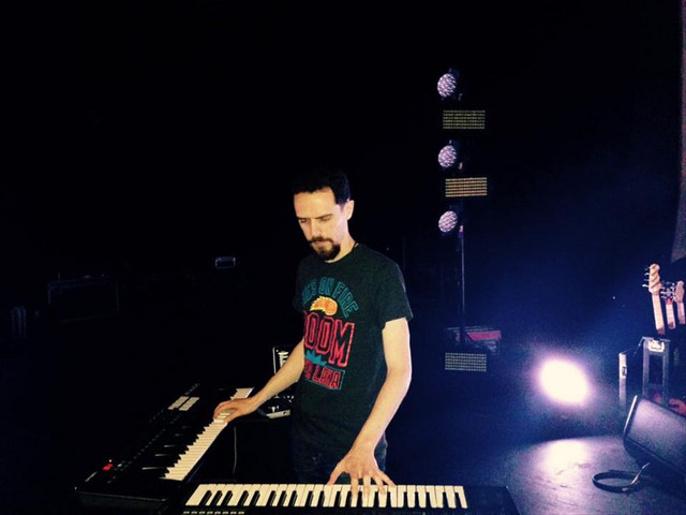
Daniel Davies’ Spotify BioDaniel Davies is a Los Angeles-based guitarist, composer, and singer whose music ranges from hard rock to horror soundtracks. The son of Kinks guitarist Dave Davies and godson of director/composer John Carpenter, Davies has music and cinema in his blood. He spent much of the 2000s as the singer and guitarist of Year Long Disaster, a band influenced by '70s blues-rock and Southern rock, before briefly joining stoner rock heroes Karma to Burn during the early 2010s. He then kept busy composing music for various films and TV series throughout the decade, in addition to recording and performing with Carpenter, who started releasing non-soundtrack albums and touring in 2015. Davies' debut solo album, the imaginary soundtrack Events Score, appeared in 2018. In addition to releasing solo recordings such as 2021's Spies EP, he continued working with Carpenter on projects like the score to that year's Halloween Kills. He returned to rock music with the 2024 solo album Ghost of the Heart.
Daniel… Davies was born in London and spent much of his childhood on the road with his father's band as it toured the globe. His family moved to Los Angeles when he was 11, and after his parents split up, Davies lived with Carpenter during part of his adolescence. He learned to play guitar and drums as a high school student, and appeared on the soundtrack to Carpenter's 1998 film, Vampires. In 2003, Davies befriended Rich Mullins, bassist of the desert rock band Karma to Burn. Following a jam session with Third Eye Blind drummer Brad Hargreaves, the trio formed Year Long Disaster in 2004. With influences ranging from ZZ Top to Iron Maiden, the group built up a local following and signed to Volcom Entertainment in 2007, releasing their self-titled debut that year. They soon toured with Clutch, Turbonegro, and Motörhead, and released their second album, Black Magic; All Mysteries Revealed, in 2010. Also that year, Karma to Burn reunited and toured with Year Long Disaster before the two bands ultimately merged. While Karma to Burn were normally known as an instrumental band, Davies sang on the few vocal-based songs on the band's albums Appalachian Incantation (2010) and V (2011).
Hidden Faces, Davies' self-released solo EP of moody, slightly proggy alternative rock songs, also appeared in 2011. Following its release, Davies briefly joined CKY, replacing former frontman Deron Miller. Davies toured with the group in 2012 and returned for a 2015 performance, and had begun to record new material with them but was unable to continue participating in CKY due to other commitments. Along with Geno Lenardo, he recorded much of the soundtrack for the 2014 film I, Frankenstein, and co-composed the score for 2015 horror-comedy Condemned with Sebastian Robertson. He also recorded music for several TV series and films, including a cover of Pixies' "Wave of Mutilation" for Sharknado 3: Oh Hell No!
Most notably, Davies worked with John Carpenter and his son Cody. The trio recorded Lost Themes, the director's first album of non-soundtrack material, which was released by Sacred Bones in 2015. The effort received critical acclaim and was followed by Lost Themes II in 2016. The trio toured behind the releases, marking Carpenter's first-ever live performances, and they revisited some of the director's signature tunes on 2017's Anthology (Movie Themes 1974-1998). In 2018, Davies released his first solo full-length, Events Score. As with the Lost Themes releases, the album isn't a soundtrack to an actual film, but it evokes the synth-driven scores of the '70s and '80s. His second solo album, Signals, was inspired by visual artist Jesse Draxler, who provided artwork for the release's cover and booklet. Sacred Bones issued Signals in 2020.
Davies' Spies EP, recorded entirely solo during COVID-19 lockdown, appeared in 2021. That year, he also worked with John and Cody Carpenter on the score for Halloween Kills, which updated the legendary horror franchise's iconic music with an expanded sonic palette. The trio also recorded the soundtrack for the 2022 Firestarter remake and Halloween Ends. Davies and Robertson also scored Let There Be Drums!, a documentary about rock drummers. With John and Cody Carpenter, Anthology II (Movie Themes 1976-1988) and Lost Themes IV: Noir both appeared in 2023. Ghost of the Heart, Davies' first solo full-length of rock songs for Sacred Bones, was issued in 2024, marrying alternative rock and cinematic influences. ~ Paul Simpson, Rovi
Viberate is a music analytics platform built for A&Rs, artist managers, labels, booking agents, marketers, and artists.
It helps music professionals track artist growth, analyze audience data, monitor playlist activity, compare artists, follow song performance, and identify opportunities across the music market.
Public artist pages provide a free preview of selected artist data. Paid plans provide access to deeper analytics, historical data, charts, comparisons, playlist tools, exports, alerts, reports, and additional professional features.
Yes. Public Viberate artist pages provide selected artist analytics and music data for free.
Viberate also offers a 7-day free trial of the full platform. A credit card is required to start the trial. The trial includes access to the complete product so users can test deeper artist analytics, historical views, playlist insights, comparisons, charts, exports, alerts, and reporting features before choosing a paid plan.
Viberate provides artist analytics across streaming, playlists, social media, video, radio airplay, songs, and audience markets.
Users can analyze Spotify performance, Spotify and Apple Music playlists, YouTube activity, TikTok and Instagram growth, radio spins, song performance, audience locations, demographics, rankings, and overall artist momentum.
Artist profiles also connect to music charts, similar artists, and comparison tools, helping users benchmark performance and evaluate artists in context.
Viberate updates key artist and track data daily.
For followed artists and tracks, selected data is refreshed multiple times per day. This helps teams monitor playlist changes, streaming movement, audience growth, releases, and campaign performance with more current data.
Update frequency can vary depending on the metric and data source.
Yes. Viberate lets users compare up to five artists side by side across streaming, social media, audience, and engagement metrics.
Users can compare fanbase growth, audience demographics, locations, Spotify performance, social metrics, and other artist data over selected time periods.
Artist comparison can be used for A&R scouting, benchmarking, booking decisions, campaign planning, and evaluating artists with similar audiences or market positions.