Dananananaykroyd

Punk
Hardcore Punk
Math Rock
 Viberate Rank: 254682
 Viberate Rank: 254682
 Monthly ListenersFollowers
 Subscribers
 Followers
 Followers
 FansTop Spotify Songs
| Track | 7-Day Streams | |
|---|---|---|
1 | 888 | |
2 | 250 | |
3 | 138 | |
4 | 99 | |
5 | 86 |
Top YouTube VideosMonthly ListenersFeatured in Playlists| Playlist | Followers | |
|---|---|---|
1 | Jillian Nichols | 87.21K |
2 | EAFC & FIFA Soundtracks 94-27 Ross Hyland | 81.30K |
3 |  Girls | Official HBO | 48.74K |
4 |  The Ultimate FUT Playlist EA SPORTS FC | 36.56K |
5 |  Music from Girls (HBO) Soundtrack Yann Kerjan | 22.73K |
Audience| City | Monthly Listeners | |
|---|---|---|
1 | | 177 |
2 | | 80 |
3 | | 76 |
4 |  | 64 |
5 | | 63 |
See full performance history, audience data, playlist activity, rankings, comparisons, and more in Viberate music analytics. Start with a free trial, then continue with a paid plan.
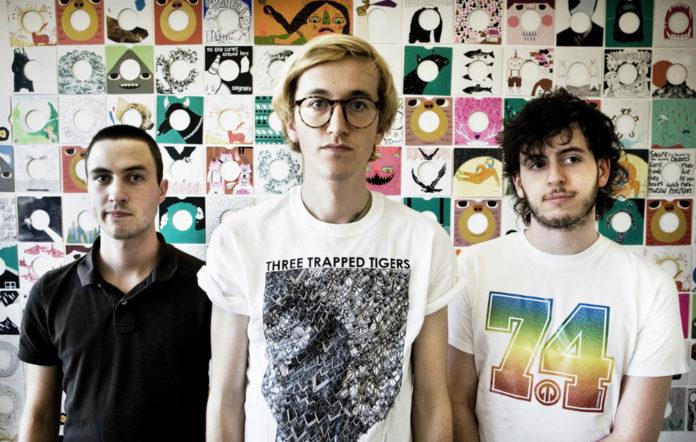
Dananananaykroyd’s Spotify BioFormed in Glasgow, Scotland in 2006, six-piece fight-pop hardcore outfit Dananananaykroyd rapidly got a reputation for their fierce and brutal live performances. From the first concerts the band's surefire, energetic shows drew comparisons to the likes of At the Drive-In at their peak. No less than two drummers deliver stunningly fast and tight rhythms while the guitar riffs are no slower, but cutting and distorted blasts of fury beyond recognition.
Dananananaykroyd started life in January of 2006 when members James Hamilton (drums) and David Roy (guitar)'s former band Multiplies disbanded. From their friends they culled together the six-piece Dananananaykroyd lineup to alter the archetypical Glaswegian band image of art school types like Belle & Sebastian or Franz Ferdinand. Drawing inspiration from the Fall, Black Flag, Pavement, and Sonic Youth, these young contenders soon found themselves drawing massive interest with their very peculiar and heavy brand of fight-pop -- an antidote… to everything posed, packaged, and poised in the current world of indie rock.
In late 2006, Giles Bailey quit as Dananananaykroyd's vocalist. Calum Gunn moved from drums to vocals, and John Baillie Junior took over the drum stool. Debut single "Totally Bone" was released through Moshi Moshi in 2006, to be followed by "Some Dresses" on Jealous Records later the same year. Due to problems at their record company the first proper EP Sissy Hits was pushed back and was released by Dananananaykroyd's new label Holy Roar in April 2008. ~ Sven Schlijper, Rovi
Viberate is a music analytics platform built for A&Rs, artist managers, labels, booking agents, marketers, and artists.
It helps music professionals track artist growth, analyze audience data, monitor playlist activity, compare artists, follow song performance, and identify opportunities across the music market.
Public artist pages provide a free preview of selected artist data. Paid plans provide access to deeper analytics, historical data, charts, comparisons, playlist tools, exports, alerts, reports, and additional professional features.
Yes. Public Viberate artist pages provide selected artist analytics and music data for free.
Viberate also offers a 7-day free trial of the full platform. A credit card is required to start the trial. The trial includes access to the complete product so users can test deeper artist analytics, historical views, playlist insights, comparisons, charts, exports, alerts, and reporting features before choosing a paid plan.
Viberate provides artist analytics across streaming, playlists, social media, video, radio airplay, songs, and audience markets.
Users can analyze Spotify performance, Spotify and Apple Music playlists, YouTube activity, TikTok and Instagram growth, radio spins, song performance, audience locations, demographics, rankings, and overall artist momentum.
Artist profiles also connect to music charts, similar artists, and comparison tools, helping users benchmark performance and evaluate artists in context.
Viberate updates key artist and track data daily.
For followed artists and tracks, selected data is refreshed multiple times per day. This helps teams monitor playlist changes, streaming movement, audience growth, releases, and campaign performance with more current data.
Update frequency can vary depending on the metric and data source.
Yes. Viberate lets users compare up to five artists side by side across streaming, social media, audience, and engagement metrics.
Users can compare fanbase growth, audience demographics, locations, Spotify performance, social metrics, and other artist data over selected time periods.
Artist comparison can be used for A&R scouting, benchmarking, booking decisions, campaign planning, and evaluating artists with similar audiences or market positions.