Damned to Downfall

Metal
Death Metal
Black Metal
 Viberate Rank: 534313
 Viberate Rank: 534313
 Monthly ListenersFollowers
 Subscribers
 Followers
 Followers
 FansTop Spotify Songs
| Track | 7-Day Streams | |
|---|---|---|
1 | 32 | |
2 | 11 | |
3 | 8 | |
4 | 7 | |
5 | 5 |
Top YouTube VideosMonthly ListenersFeatured in Playlists| Playlist | Followers | |
|---|---|---|
1 |  Synth Metal Mayhem: Industrial, Alt. Metal and Dark Wave Stefano S. Amelio | 16.81K |
2 |  Best of BLACK METAL 💀 🔱 THEOCIDE STUDIOS 🔱 | 7.10K |
3 |  EBM | Synthpop | industrial | Darkwave | future Pop | electro-pop | dark-electro Ubervot | 1.33K |
4 | Black Metal James Fligor | 1.29K |
Audience| City | Monthly Listeners | |
|---|---|---|
1 |  | 6 |
2 |  | 3 |
3 |  | 3 |
4 |  | 3 |
5 | | 3 |
See full performance history, audience data, playlist activity, rankings, comparisons, and more in Viberate music analytics. Start with a free trial, then continue with a paid plan.
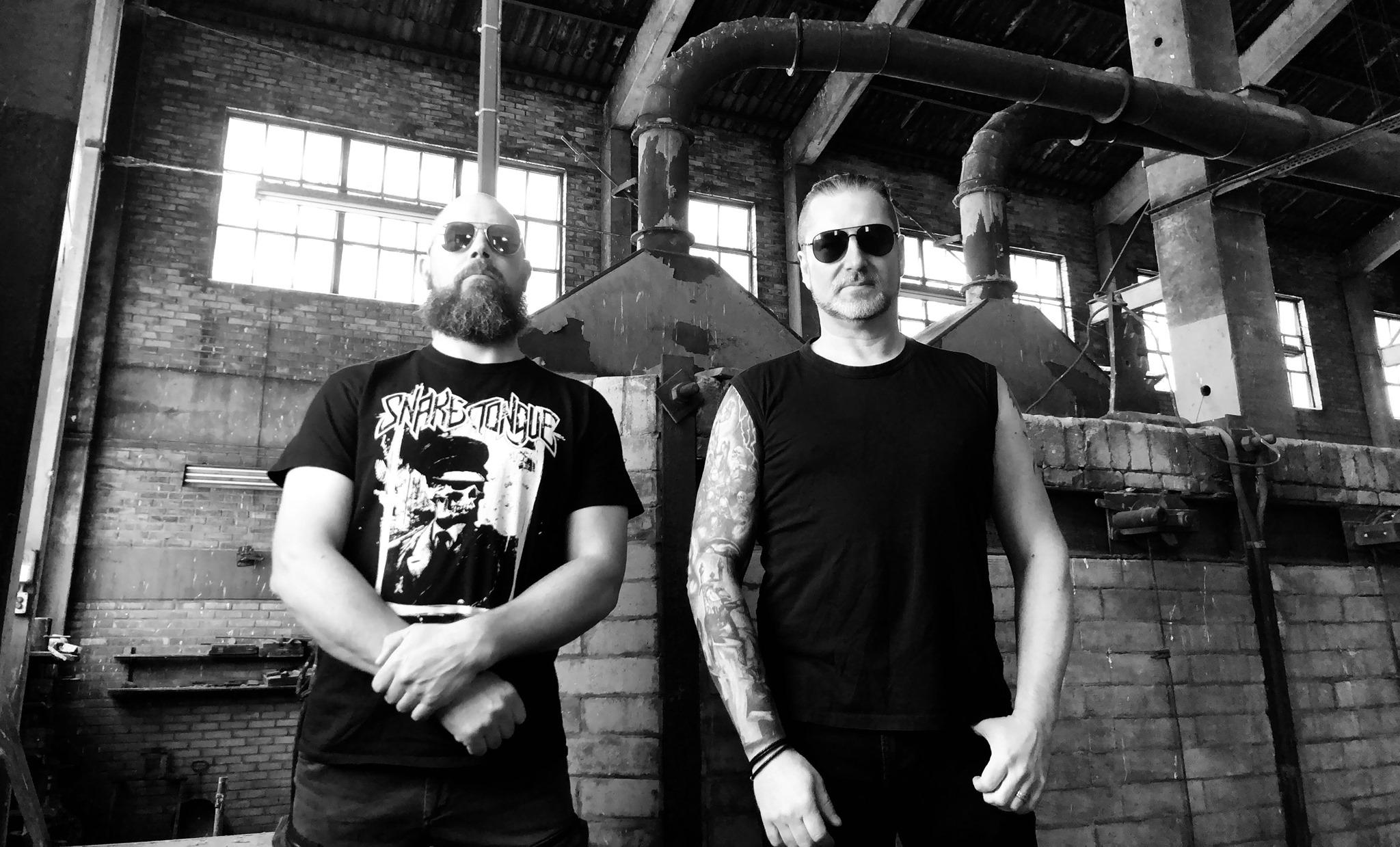
Damned to Downfall’s Spotify BioDamned to Downfall combines Aggrotech and Industrial with Black and Death Metal into a unique form of Industrial Metal.
Damned to Downfall started in 2019 where a foundation of old-school Death Metal was revitalized with Industrial and EBM together with the ferocity of 21st century Black Metal which resulted in the 2020 EP "Born to Breed” and 2021 album ”Embrace Your Extinction”.
Their 2023 EP "Slavery for You", where they moved further towards Industrial and Black Metal, landed them features in diverse medias such as Bravewords, Regen Magazine, Metal Hammer and Cyberage Radio.
With recent years singles "Last Man Falling, "Nothing will Save Us" and "Swallow Your Soul" further pushing the borders between metal and electro into their own Industrial Metal/Aggrotech hybrid, they now return with their latest release, “I Need Out" out April 10 2026.
Viberate is a music analytics platform built for A&Rs, artist managers, labels, booking agents, marketers, and artists.
It helps music professionals track artist growth, analyze audience data, monitor playlist activity, compare artists, follow song performance, and identify opportunities across the music market.
Public artist pages provide a free preview of selected artist data. Paid plans provide access to deeper analytics, historical data, charts, comparisons, playlist tools, exports, alerts, reports, and additional professional features.
Yes. Public Viberate artist pages provide selected artist analytics and music data for free.
Viberate also offers a 7-day free trial of the full platform. A credit card is required to start the trial. The trial includes access to the complete product so users can test deeper artist analytics, historical views, playlist insights, comparisons, charts, exports, alerts, and reporting features before choosing a paid plan.
Viberate provides artist analytics across streaming, playlists, social media, video, radio airplay, songs, and audience markets.
Users can analyze Spotify performance, Spotify and Apple Music playlists, YouTube activity, TikTok and Instagram growth, radio spins, song performance, audience locations, demographics, rankings, and overall artist momentum.
Artist profiles also connect to music charts, similar artists, and comparison tools, helping users benchmark performance and evaluate artists in context.
Viberate updates key artist and track data daily.
For followed artists and tracks, selected data is refreshed multiple times per day. This helps teams monitor playlist changes, streaming movement, audience growth, releases, and campaign performance with more current data.
Update frequency can vary depending on the metric and data source.
Yes. Viberate lets users compare up to five artists side by side across streaming, social media, audience, and engagement metrics.
Users can compare fanbase growth, audience demographics, locations, Spotify performance, social metrics, and other artist data over selected time periods.
Artist comparison can be used for A&R scouting, benchmarking, booking decisions, campaign planning, and evaluating artists with similar audiences or market positions.