dalot

Pop
Indie Pop
Ambient
 Viberate Rank: 479505
 Viberate Rank: 479505
 Monthly ListenersFollowers
 Subscribers
 Followers
 Followers
 FansTop Spotify Songs
| Track | 7-Day Streams | |
|---|---|---|
1 | 63 | |
2 | 46 | |
3 | 21 | |
4 | 15 | |
5 | 9 |
Top YouTube VideosMonthly ListenersFeatured in Playlists| Playlist | Followers | |
|---|---|---|
1 |  INSTRUMENTAL MUSIC TO WORK TO: Chill, Ambient, Electronic Instrumental Mix Keats Handwriting | 51.84K |
2 |  Di.FM Space Dreams Channel (Sleep & Relax) 🥀 drunk_zonkey🥃 | 13.18K |
3 |  Soma FM | Groove Salad Luuk Kielen | 5.34K |
4 | KEXP ~ PACIFIC NOTIONS Hush Hush Records | 4.16K |
5 | No Lyrics | Work Music -navis- | 4.00K |
Audience| City | Monthly Listeners | |
|---|---|---|
1 |  | 25 |
2 | | 5 |
3 | | 5 |
4 | | 5 |
5 | | 5 |
See full performance history, audience data, playlist activity, rankings, comparisons, and more in Viberate music analytics. Start with a free trial, then continue with a paid plan.
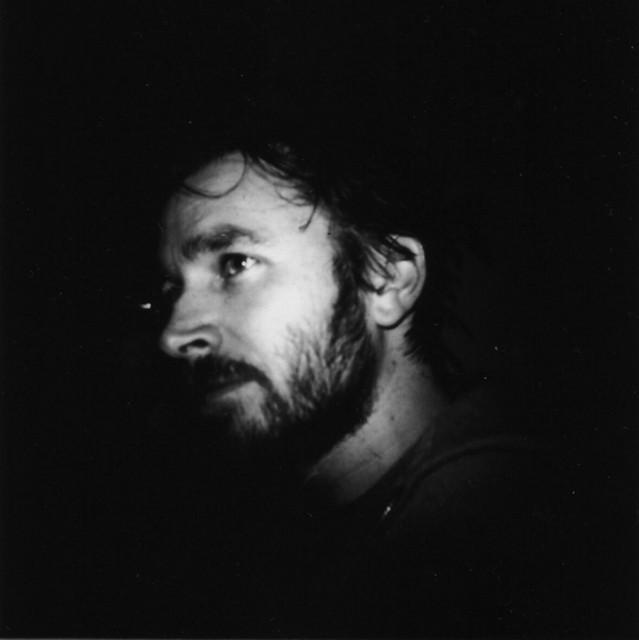
dalot’s Spotify BioGreek sound artist Maria Papadomanolaki originally conceived Dalot in 2004 as an informal outlet to share her music experiments via myspace. Named after a random pick of a word off a French dictionary, Dalot grew to be a longstanding project drawing influences from early post-rock, noise rock, abstract quitar-based music, drone, ambient, shoegaze, minimal electronica, experimental and electro-acoustic music.
Papadomanolaki has been releasing music for her Dalot project internationally both on labels like n5md, fluid-audio, Time Released Sound, Sound in Silence, Hibernate, Dronarivm, and by hand-crafting her own self-released albums. Her music has also been featured in films, dance performances and audiovisual installations.
Viberate is a music analytics platform built for A&Rs, artist managers, labels, booking agents, marketers, and artists.
It helps music professionals track artist growth, analyze audience data, monitor playlist activity, compare artists, follow song performance, and identify opportunities across the music market.
Public artist pages provide a free preview of selected artist data. Paid plans provide access to deeper analytics, historical data, charts, comparisons, playlist tools, exports, alerts, reports, and additional professional features.
Yes. Public Viberate artist pages provide selected artist analytics and music data for free.
Viberate also offers a 7-day free trial of the full platform. A credit card is required to start the trial. The trial includes access to the complete product so users can test deeper artist analytics, historical views, playlist insights, comparisons, charts, exports, alerts, and reporting features before choosing a paid plan.
Viberate provides artist analytics across streaming, playlists, social media, video, radio airplay, songs, and audience markets.
Users can analyze Spotify performance, Spotify and Apple Music playlists, YouTube activity, TikTok and Instagram growth, radio spins, song performance, audience locations, demographics, rankings, and overall artist momentum.
Artist profiles also connect to music charts, similar artists, and comparison tools, helping users benchmark performance and evaluate artists in context.
Viberate updates key artist and track data daily.
For followed artists and tracks, selected data is refreshed multiple times per day. This helps teams monitor playlist changes, streaming movement, audience growth, releases, and campaign performance with more current data.
Update frequency can vary depending on the metric and data source.
Yes. Viberate lets users compare up to five artists side by side across streaming, social media, audience, and engagement metrics.
Users can compare fanbase growth, audience demographics, locations, Spotify performance, social metrics, and other artist data over selected time periods.
Artist comparison can be used for A&R scouting, benchmarking, booking decisions, campaign planning, and evaluating artists with similar audiences or market positions.