Dain Norman

Rock
Psychedelic Rock
 Viberate Rank: 553328
 Viberate Rank: 553328
 Monthly ListenersFollowers
 Subscribers
 Followers
 Followers
 FansTop Spotify Songs
| Track | 7-Day Streams | |
|---|---|---|
1 | 10 | |
2 | 4 | |
3 | 1 | |
4 | 1 |
Top YouTube VideosMonthly ListenersFeatured in PlaylistsAudience| City | Monthly Listeners | |
|---|---|---|
1 | | 5 |
2 | | 4 |
See full performance history, audience data, playlist activity, rankings, comparisons, and more in Viberate music analytics. Start with a free trial, then continue with a paid plan.
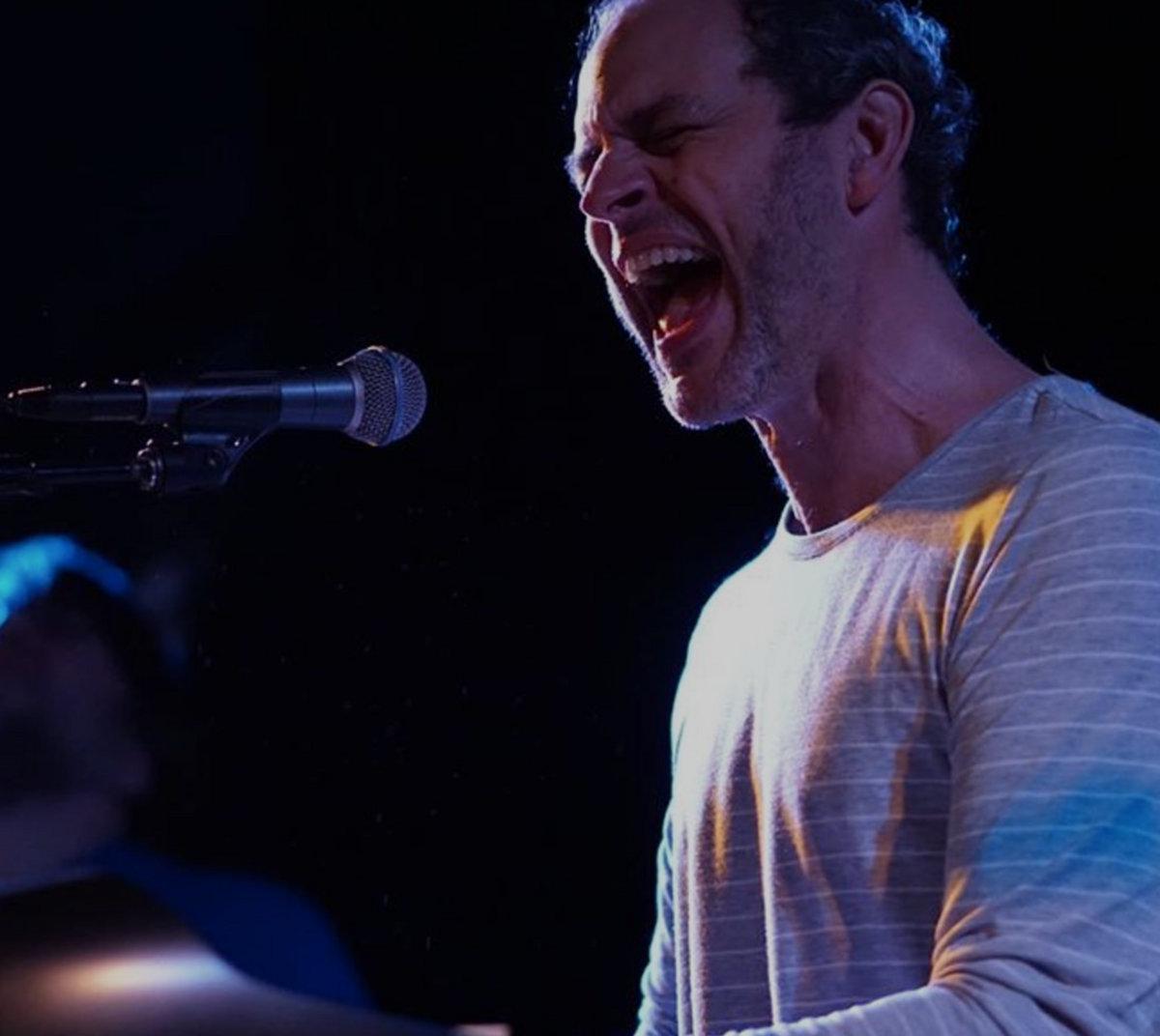
Dain Norman’s Spotify Bio"Dain Norman is a singer/songwriter, multi-instrumentalist, and audio producer, based out Tacoma, WA, he fronts his live band collective The Chrysalis Effect.
Since Jr. High, Norman has been performing in bands. Norman briefly played with a reggae band called "Reggae Rockus", who shared a bill with "Ziggy Marley & The Wailers", in 2013 in Gainesville, FL at The JAM festival. Norman relocated to the PNW in late 2013 for the PNW music scene. Norman made the trip across the country into a DIY tour, playing at open mics, blues jams, street corners, and little beatnik coffee shops, arriving in November with only $15, living in his car, and sidewalk busking to get by.
"HelloJudeProductions" EP was self-produced on minimal equipment and released in 2016, named after Norman's first child, "Jude" born in 2015. Norman released the full-length "Lantern" in late 2019, a concept album in tribute to Norman's fiance' Aili, about letting Love be your Lantern, to guide you through the darkness of life… sometimes. Norman put out the experimental EP titled "Back Down To Earth", in June 2021 through Aldora Britain Records.
Norman self-produced most of the new double album"Shades of Blue", with co-production on a handful of tracks done at London Bridge studios by Jonathan Plum.
"The record is a reflection of the psychology of people at large internally in reaction to the COVID-19 pandemic, living in shades of blue, with themes of 1960s peace and love in a single breath." -Dain Norman
Viberate is a music analytics platform built for A&Rs, artist managers, labels, booking agents, marketers, and artists.
It helps music professionals track artist growth, analyze audience data, monitor playlist activity, compare artists, follow song performance, and identify opportunities across the music market.
Public artist pages provide a free preview of selected artist data. Paid plans provide access to deeper analytics, historical data, charts, comparisons, playlist tools, exports, alerts, reports, and additional professional features.
Yes. Public Viberate artist pages provide selected artist analytics and music data for free.
Viberate also offers a 7-day free trial of the full platform. A credit card is required to start the trial. The trial includes access to the complete product so users can test deeper artist analytics, historical views, playlist insights, comparisons, charts, exports, alerts, and reporting features before choosing a paid plan.
Viberate provides artist analytics across streaming, playlists, social media, video, radio airplay, songs, and audience markets.
Users can analyze Spotify performance, Spotify and Apple Music playlists, YouTube activity, TikTok and Instagram growth, radio spins, song performance, audience locations, demographics, rankings, and overall artist momentum.
Artist profiles also connect to music charts, similar artists, and comparison tools, helping users benchmark performance and evaluate artists in context.
Viberate updates key artist and track data daily.
For followed artists and tracks, selected data is refreshed multiple times per day. This helps teams monitor playlist changes, streaming movement, audience growth, releases, and campaign performance with more current data.
Update frequency can vary depending on the metric and data source.
Yes. Viberate lets users compare up to five artists side by side across streaming, social media, audience, and engagement metrics.
Users can compare fanbase growth, audience demographics, locations, Spotify performance, social metrics, and other artist data over selected time periods.
Artist comparison can be used for A&R scouting, benchmarking, booking decisions, campaign planning, and evaluating artists with similar audiences or market positions.