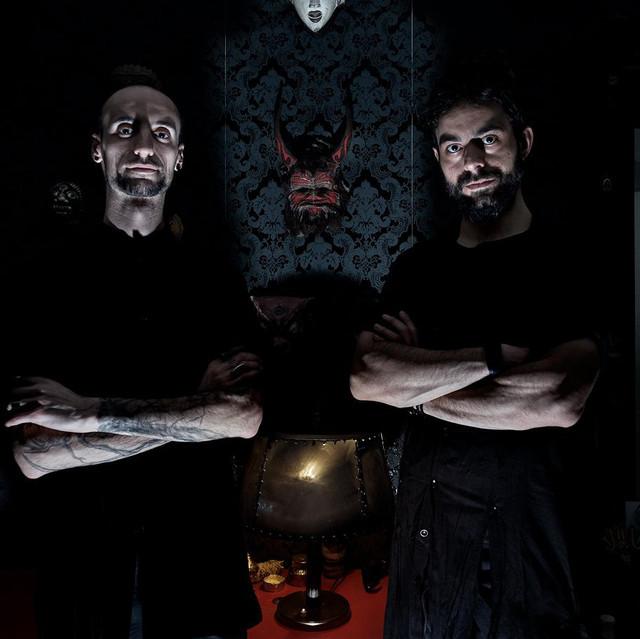
Dadub

Electronic
Techno
Dub Techno
 Viberate Rank: 293950
 Viberate Rank: 293950
 Monthly ListenersFollowers
 Subscribers
 Followers
 Followers
 FansTop Spotify SongsTop YouTube VideosMonthly ListenersFeatured in Playlists
| Playlist | Followers | |
|---|---|---|
1 | Berlin Dark & Industrial Techno Raphel Jmh | 9.48K |
2 |  Boiler Room Robert Brown | 6.66K |
3 |  HATE - New Techno Tracks Alexander | 3.85K |
4 |  Dark Minimal, Techno & Dub julianburford | 3.71K |
5 |  Atmospheric / Dub Techno Adrian Lopez | 2.98K |
Audience| City | Monthly Listeners | |
|---|---|---|
1 | | 11 |
2 |  | 10 |
3 |  | 9 |
4 |  | 6 |
5 |  | 6 |
See full performance history, audience data, playlist activity, rankings, comparisons, and more in Viberate music analytics. Start with a free trial, then continue with a paid plan.
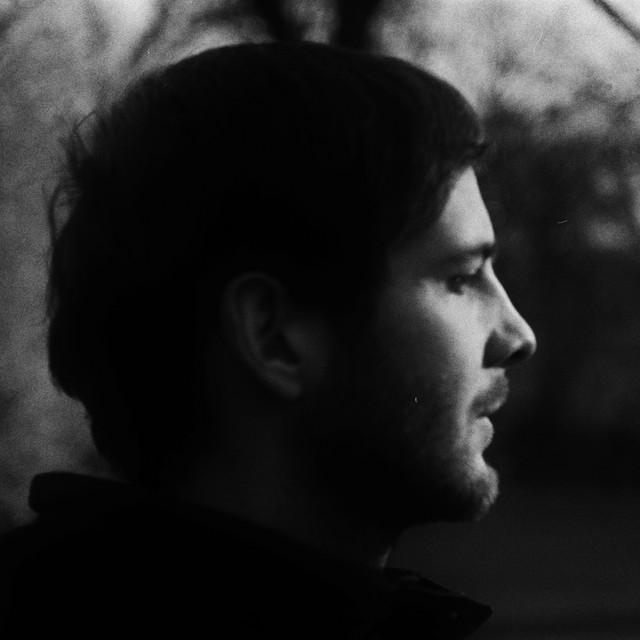
Dadub’s Spotify BioDadub is a Berlin-based "post apocalyptic dub" project founded by Italian producer and DJ Daniele Antezza. Initially, the project created a swirling, spacious mixture of dub, ambient, and techno, marked by broken rhythms and cavernous echo. Following several EPs and the 2013 debut full-length You Are Eternity, Dadub went on hiatus, then returned with a different lineup and a much heavier, more dislocated sound, as heard on 2020's brutal Hypersynchron.
Originally a solo project created by Italian producer Daniele Antezza in 2008, Dadub soon became a duo when Antezza moved to Berlin to study sound design. A chance meeting with fellow Italian Giovanni Conti cemented the foundations of Dadub as a duo, as the pair bonded over their interest in sound manipulation and in particular a love of Lee "Scratch" Perry's unique dub experiments. Joining fellow ex-pat Luca Mortellaro (Lucy) as in-house mastering and production technicians for his Stroboscopic Artefacts label, the duo released their… first work on Mortellaro's label in 2011. A split single with Argentinian artist Pfirter, the 11-minute excursion through dubbed-out techno would hint at the future of their sound. Contributing to Stroboscopic Artefacts' experimental Monad series the same year, the pair returned in 2012 with the four-track EP Way to Moksha. At the beginning of 2013, the EP Preternity was released. Featuring remixes by Rrose, Kangding Ray, Lakker, and label boss Lucy, the EP would be a precursor to their debut album, You Are Eternity, released just a few weeks later.
Both artists shifted their focus to their individual projects, and Antezza eventually left Artefacts Mastering in 2017, founding his own Dadub Studio. Producer and sound artist Marco Donnarumma joined Dadub in 2018, and the rebooted project released two singles, "Nusuth" and "Tuluu," on Antezza's Holotone imprint in 2019. An EP titled A Sun Called Moon appeared on New York-based Ohm Resistance in March 2020, and the full-length Hypersynchron, featuring a remix by labelmate Scorn, followed in October. ~ Richard Wilson & Paul Simpson, Rovi
Viberate is a music analytics platform built for A&Rs, artist managers, labels, booking agents, marketers, and artists.
It helps music professionals track artist growth, analyze audience data, monitor playlist activity, compare artists, follow song performance, and identify opportunities across the music market.
Public artist pages provide a free preview of selected artist data. Paid plans provide access to deeper analytics, historical data, charts, comparisons, playlist tools, exports, alerts, reports, and additional professional features.
Yes. Public Viberate artist pages provide selected artist analytics and music data for free.
Viberate also offers a 7-day free trial of the full platform. A credit card is required to start the trial. The trial includes access to the complete product so users can test deeper artist analytics, historical views, playlist insights, comparisons, charts, exports, alerts, and reporting features before choosing a paid plan.
Viberate provides artist analytics across streaming, playlists, social media, video, radio airplay, songs, and audience markets.
Users can analyze Spotify performance, Spotify and Apple Music playlists, YouTube activity, TikTok and Instagram growth, radio spins, song performance, audience locations, demographics, rankings, and overall artist momentum.
Artist profiles also connect to music charts, similar artists, and comparison tools, helping users benchmark performance and evaluate artists in context.
Viberate updates key artist and track data daily.
For followed artists and tracks, selected data is refreshed multiple times per day. This helps teams monitor playlist changes, streaming movement, audience growth, releases, and campaign performance with more current data.
Update frequency can vary depending on the metric and data source.
Yes. Viberate lets users compare up to five artists side by side across streaming, social media, audience, and engagement metrics.
Users can compare fanbase growth, audience demographics, locations, Spotify performance, social metrics, and other artist data over selected time periods.
Artist comparison can be used for A&R scouting, benchmarking, booking decisions, campaign planning, and evaluating artists with similar audiences or market positions.