Daddy Squad

Electronic
Dance
Disco
Other Electronic Music
 Viberate Rank: 193525
 Viberate Rank: 193525
 Monthly ListenersFollowers
 Subscribers
 Followers
 Followers
 FansTop Spotify Songs
| Track | 7-Day Streams | |
|---|---|---|
1 | 6.67K | |
2 | 1.86K | |
3 | 1.75K | |
4 | 1.39K | |
5 | 850 |
Top YouTube Videos| Video | 7-Day Views | |
|---|---|---|
1 | 24 | |
2 | 16 | |
3 | 8 | |
4 | 8 | |
5 | 6 |
Monthly ListenersFeatured in Playlists| Playlist | Followers | |
|---|---|---|
1 |  Nu Disco Satin Jackets | 44.24K |
2 |  Zara Store Playlist Nir | 31.63K |
3 |  TUDO Felps | 16.14K |
4 |  Tech House Culture Amir Ramezani | 11.99K |
5 |  World of Dance World of Dance | 11.57K |
Audience| City | Monthly Listeners | |
|---|---|---|
1 |  | 772 |
2 | | 616 |
3 |  | 500 |
4 |  | 471 |
5 |  | 458 |
See full performance history, audience data, playlist activity, rankings, comparisons, and more in Viberate music analytics. Start with a free trial, then continue with a paid plan.
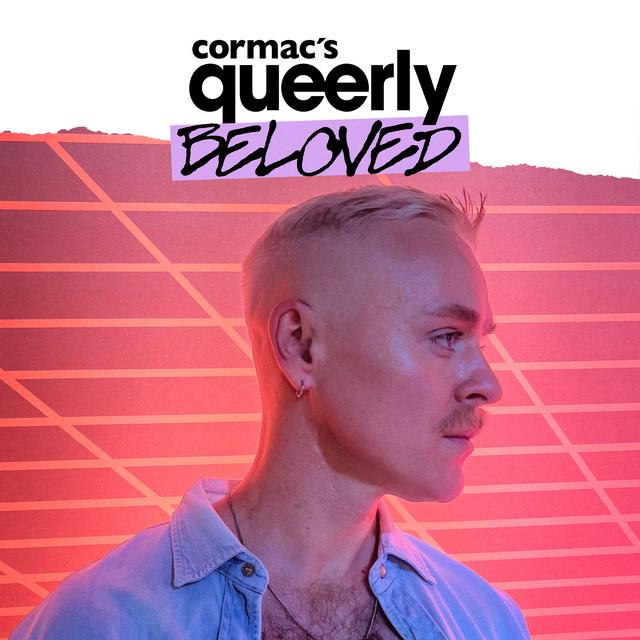
Daddy Squad’s Spotify BioThe solo project by Andrew Armstrong. Andrew is one half of the electro pop group Monarchy, as well as producing, remixing, writing and collaborating with a host of artists including Dita Von Teese numerous times, Blondie, Charli XCX, Kelis, Kylie, OMD, Lady Gaga, Jamiroquai, SIA and more.
With Monarchy he has performed around the world: Coachella, Lovebox, Low Festival, BBK, Sonorama, endless festivals and shows across Europe, South Korea, US and Mexico. He's also written extensively for TV and film.
Now he comes with a new project, bringing together his long history in music, spanning from disco, synthpop, early rave, breakbeat, through house, electro pop, French touch, all in the mix for Daddy Squad, where nothing is sacred, everything is borrowed, and nothing is safe.
Andrew launched the Daddy Squad project with a collaboration with burlesque superstar Dita Von Teese, and continued with collaborations with synth pop legends Zoot Woman, house pioneer S'Express, Polish dark wave singer… Baasch, Brazil's Renato Cohen, and France's finest songstress Corine. He has produced a number of singles for Kunixi including one Dady Squad co-wrote with Charli xcx many years ago. Remixes have been by the likes of Lauer, Club Domani, Hifi Sean, Boys' Shorts, Chinaski, Reznik, Digitalism and many more.
Labelling himself as a mix of wonky pop and analogue club bangers, Daddy Squad promises to always keep it interesting, and keep pushing the corners of his creativity to new spaces.
Viberate is a music analytics platform built for A&Rs, artist managers, labels, booking agents, marketers, and artists.
It helps music professionals track artist growth, analyze audience data, monitor playlist activity, compare artists, follow song performance, and identify opportunities across the music market.
Public artist pages provide a free preview of selected artist data. Paid plans provide access to deeper analytics, historical data, charts, comparisons, playlist tools, exports, alerts, reports, and additional professional features.
Yes. Public Viberate artist pages provide selected artist analytics and music data for free.
Viberate also offers a 7-day free trial of the full platform. A credit card is required to start the trial. The trial includes access to the complete product so users can test deeper artist analytics, historical views, playlist insights, comparisons, charts, exports, alerts, and reporting features before choosing a paid plan.
Viberate provides artist analytics across streaming, playlists, social media, video, radio airplay, songs, and audience markets.
Users can analyze Spotify performance, Spotify and Apple Music playlists, YouTube activity, TikTok and Instagram growth, radio spins, song performance, audience locations, demographics, rankings, and overall artist momentum.
Artist profiles also connect to music charts, similar artists, and comparison tools, helping users benchmark performance and evaluate artists in context.
Viberate updates key artist and track data daily.
For followed artists and tracks, selected data is refreshed multiple times per day. This helps teams monitor playlist changes, streaming movement, audience growth, releases, and campaign performance with more current data.
Update frequency can vary depending on the metric and data source.
Yes. Viberate lets users compare up to five artists side by side across streaming, social media, audience, and engagement metrics.
Users can compare fanbase growth, audience demographics, locations, Spotify performance, social metrics, and other artist data over selected time periods.
Artist comparison can be used for A&R scouting, benchmarking, booking decisions, campaign planning, and evaluating artists with similar audiences or market positions.