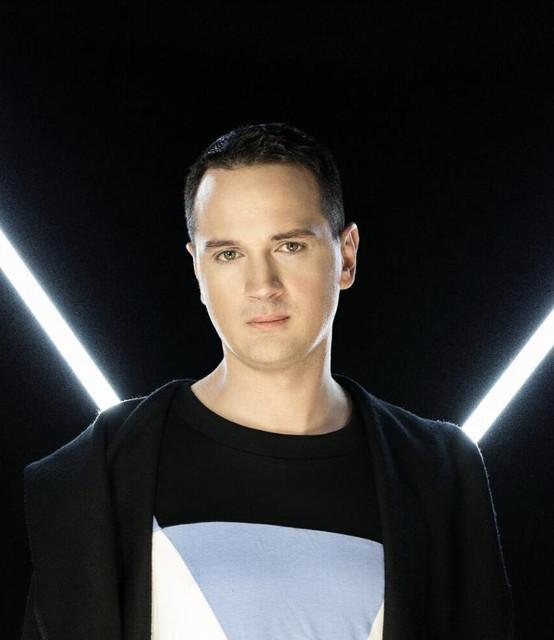
Da Fresh

Electronic
Tech House
House
 Viberate Rank: 80151
 Viberate Rank: 80151
 Monthly ListenersFollowers
 Subscribers
 Followers
 Followers
 FansTop Spotify Songs
| Track | 7-Day Streams | |
|---|---|---|
1 | 2.15K | |
2 | 1.04K | |
3 | 958 | |
4 | 897 | |
5 | 772 |
Top YouTube VideosMonthly ListenersFeatured in Playlists| Playlist | Followers | |
|---|---|---|
1 |  Minimal Techno alekzanther | 127.23K |
2 |  Techno House Trips Monroychis (playlist) | 88.08K |
3 | Old School Chicago House Music Sin Estrada | 39.54K |
4 |  Human Traffic (Movie Soundtrack) Dano | 25.66K |
5 |  oriental deep house Cedric Käslin | 17.49K |
Audience| City | Monthly Listeners | |
|---|---|---|
1 |  | 731 |
2 | | 335 |
3 |  | 324 |
4 |  | 224 |
5 |  | 224 |
See full performance history, audience data, playlist activity, rankings, comparisons, and more in Viberate music analytics. Start with a free trial, then continue with a paid plan.
Da Fresh’s Spotify BioTraditional course of a young man who grew up in the eighties. Born in a small french provincial town, middle class music lovers family, Arnaud (his real surname) will quickly combine a passion for music and a taste for computers and machines. First influenced by bands such as The Cure, Depeche Mode, Kraftwerk, Anne Clark... In the nineties, while he was studying in an art school, he will succumb to the french touch success. Fascinated by the "Homework" of Daft Punk or the "Pansoul" of Motorbass, it's under the name of Da Fresh that he will begin the first tentatives of solo composition. Determined and hard worker, he released the album "Supa Feeling" in 2002 on the Lyon based label Weaked Records, including the hit "Fuckin Track" which will become a classic and launch him on the international electronic music scene. Then he will be divided between a full-time job of DJ while keeping a real knowledge as a producer and remixer. Signed on many labels such as Toolroom, Steyoyoke, Armada,… 1605, Suara, CR2, Spinnin, Deeperfect, Bitten, Happy Techno, 303Lovers, Bodhi Collective, Unity… In 2005 he created his own label Freshin Records.
Booking (worldwide) : freshinbooking@gmail.com
Viberate is a music analytics platform built for A&Rs, artist managers, labels, booking agents, marketers, and artists.
It helps music professionals track artist growth, analyze audience data, monitor playlist activity, compare artists, follow song performance, and identify opportunities across the music market.
Public artist pages provide a free preview of selected artist data. Paid plans provide access to deeper analytics, historical data, charts, comparisons, playlist tools, exports, alerts, reports, and additional professional features.
Yes. Public Viberate artist pages provide selected artist analytics and music data for free.
Viberate also offers a 7-day free trial of the full platform. A credit card is required to start the trial. The trial includes access to the complete product so users can test deeper artist analytics, historical views, playlist insights, comparisons, charts, exports, alerts, and reporting features before choosing a paid plan.
Viberate provides artist analytics across streaming, playlists, social media, video, radio airplay, songs, and audience markets.
Users can analyze Spotify performance, Spotify and Apple Music playlists, YouTube activity, TikTok and Instagram growth, radio spins, song performance, audience locations, demographics, rankings, and overall artist momentum.
Artist profiles also connect to music charts, similar artists, and comparison tools, helping users benchmark performance and evaluate artists in context.
Viberate updates key artist and track data daily.
For followed artists and tracks, selected data is refreshed multiple times per day. This helps teams monitor playlist changes, streaming movement, audience growth, releases, and campaign performance with more current data.
Update frequency can vary depending on the metric and data source.
Yes. Viberate lets users compare up to five artists side by side across streaming, social media, audience, and engagement metrics.
Users can compare fanbase growth, audience demographics, locations, Spotify performance, social metrics, and other artist data over selected time periods.
Artist comparison can be used for A&R scouting, benchmarking, booking decisions, campaign planning, and evaluating artists with similar audiences or market positions.