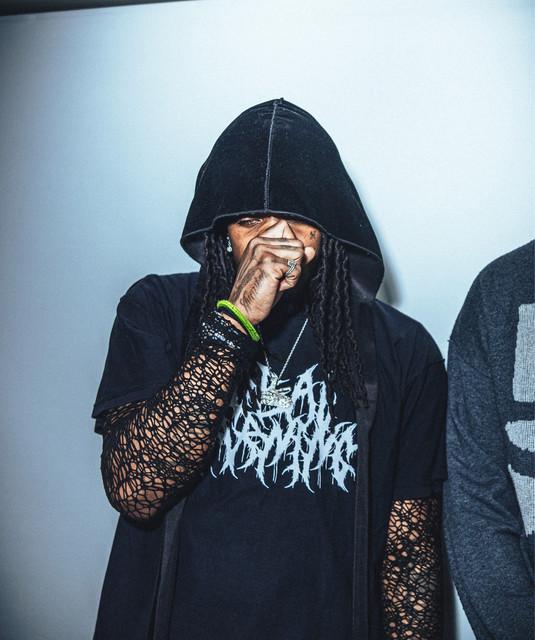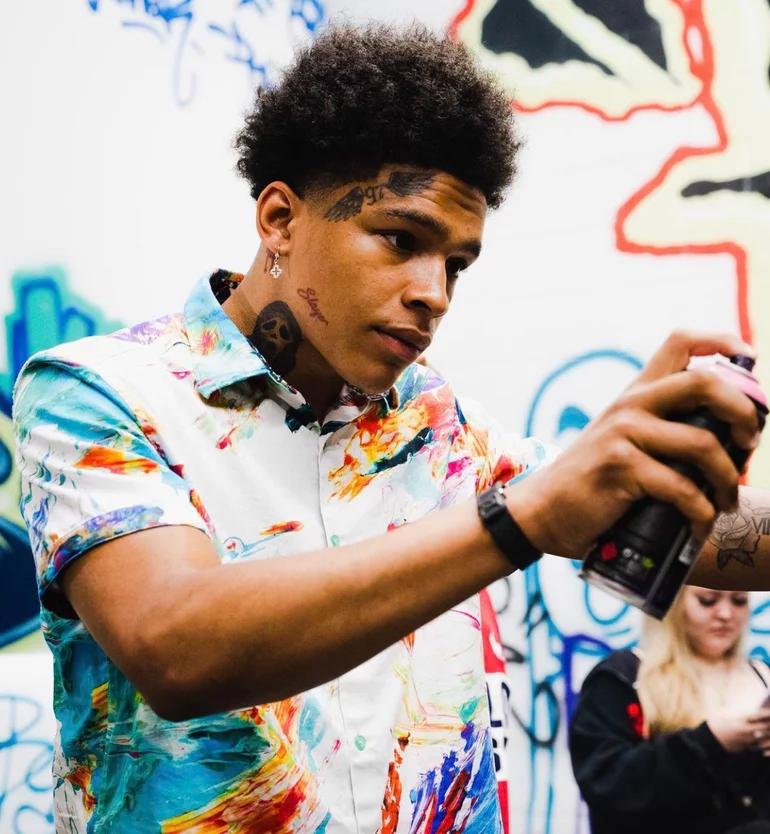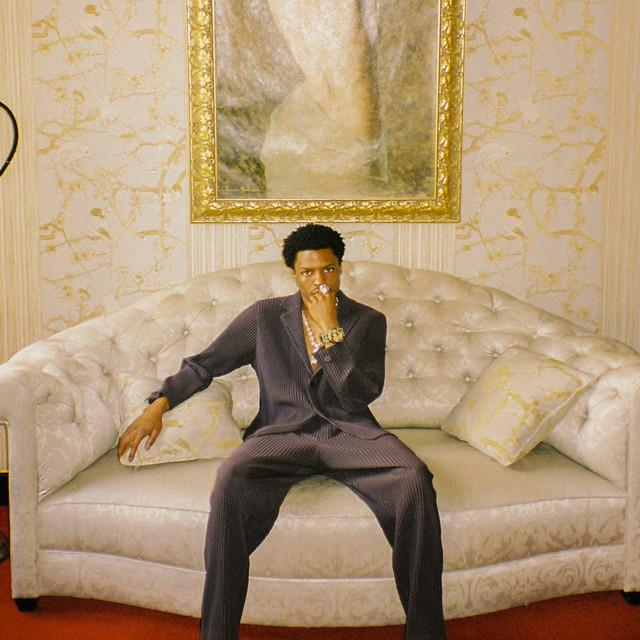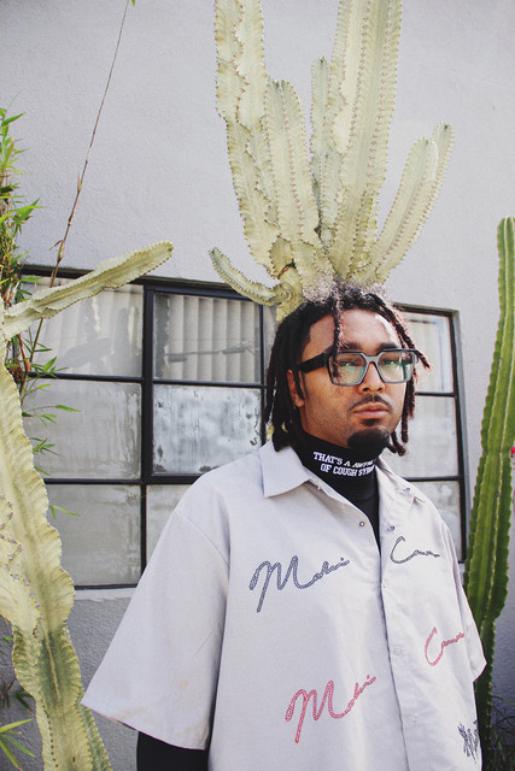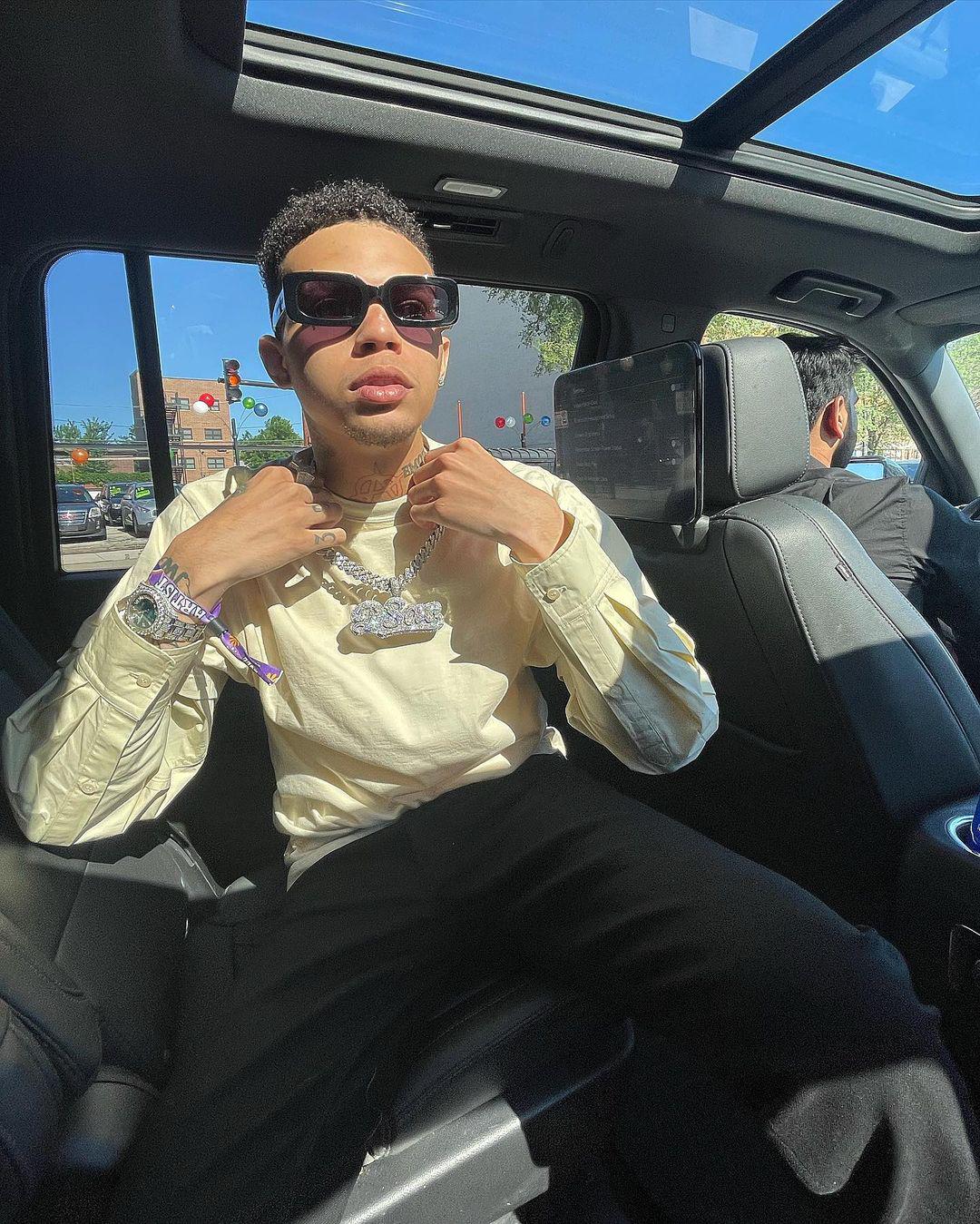
D. Savage

Hip Hop
Contemporary Hip Hop
Alternative Hip Hop
 Viberate Rank: 15332
 Viberate Rank: 15332
 Monthly ListenersFollowers
 Subscribers
 Followers
 Followers
 FansTop Spotify Songs
| Track | 7-Day Streams | |
|---|---|---|
1 | 136.76K | |
2 | 130.83K | |
3 | 114.24K | |
4 | 81.69K | |
5 | 67.19K |
Top YouTube Videos| Video | 7-Day Views | |
|---|---|---|
1 | 8.85K | |
2 | 7.75K | |
3 | 7.42K | |
4 | 6.69K | |
5 | 6.29K |
Monthly ListenersFeatured in Playlists| Playlist | Followers | |
|---|---|---|
1 |  CLEAN TRANSITIONS 😤 Rog | 136.91K |
2 |  Dangerously In Love (772 Love Pt. 2) - YNW Melly 𝖓𝖎𝖖 | 105.63K |
3 |  Featuring Ty Dolla $ign Ty Dolla $ign | 86.45K |
4 |  TRASH 新 ドラゴン TRASH | 81.27K |
5 | BEST YEAT PLAYLIST money | 65.76K |
Audience| City | Monthly Listeners | |
|---|---|---|
1 | | 34.38K |
2 | | 23.23K |
3 | | 18.40K |
4 | | 17.91K |
5 | | 16.68K |
See full performance history, audience data, playlist activity, rankings, comparisons, and more in Viberate music analytics. Start with a free trial, then continue with a paid plan.
D. Savage’s Spotify BioLos Angeles rapper D. Savage has a style that is melodic and airy but far from soft. He broke out directly after high school with his very first song, which became a viral hit in 2016. After cutting his teeth in the SoundCloud rap scene, he continued to evolve on mixtapes like 2018's D Phoenix and more fully realized studio albums like 2023's Mafia Musik.
D. Savage was born Dylan McCord in Queens, New York, in 1998 but soon relocated with his family to Los Angeles. When he was 17, he found himself in a friend's recording studio with time to kill, and on a lark laid down a track called "30 Round Clip." The song was the young rapper's first attempt at recording music, but when he posted it online under the name D Savage 3900, it quickly accumulated millions of streams. He continued posting singles this way throughout 2016 and 2017, striking gold with 2017's "I Know," a song that showed significant artistic growth from his scrappy first experiments with recording. He soon signed a… major-label deal with a subsidiary of Capitol and in 2018 and released the D Phoenix mixtape (known at this point as D. Savage). The project featured guest spots from Lil Yachty, Yung Bans, and Ty Dolla $ign, and generated more viral material for the rapper with tracks like "Opera." In July of 2019, D. Savage delivered his first studio album, Trust No One. After releasing the "How Does It Feel" single in 2020, the rapper returned with new album BPL in 2021. BPL featured a handful of guest features, including cameos from Lil Gnar and Matt Ox, as well as a collaborative single with Trippie Redd entitled "IDC." His next album was 2023's Mafia Musik, which was preceded by several singles. The album had no featured guests and included songs like "Kome On" and "Dirty Dan" which quickly had multimillions of streaming numbers. The album hit the number 16 spot on Billboard's Heatseekers chart. In 2024, the rapper released the new songs "Mob" and "Empire." ~ TiVo Staff
Viberate is a music analytics platform built for A&Rs, artist managers, labels, booking agents, marketers, and artists.
It helps music professionals track artist growth, analyze audience data, monitor playlist activity, compare artists, follow song performance, and identify opportunities across the music market.
Public artist pages provide a free preview of selected artist data. Paid plans provide access to deeper analytics, historical data, charts, comparisons, playlist tools, exports, alerts, reports, and additional professional features.
Yes. Public Viberate artist pages provide selected artist analytics and music data for free.
Viberate also offers a 7-day free trial of the full platform. A credit card is required to start the trial. The trial includes access to the complete product so users can test deeper artist analytics, historical views, playlist insights, comparisons, charts, exports, alerts, and reporting features before choosing a paid plan.
Viberate provides artist analytics across streaming, playlists, social media, video, radio airplay, songs, and audience markets.
Users can analyze Spotify performance, Spotify and Apple Music playlists, YouTube activity, TikTok and Instagram growth, radio spins, song performance, audience locations, demographics, rankings, and overall artist momentum.
Artist profiles also connect to music charts, similar artists, and comparison tools, helping users benchmark performance and evaluate artists in context.
Viberate updates key artist and track data daily.
For followed artists and tracks, selected data is refreshed multiple times per day. This helps teams monitor playlist changes, streaming movement, audience growth, releases, and campaign performance with more current data.
Update frequency can vary depending on the metric and data source.
Yes. Viberate lets users compare up to five artists side by side across streaming, social media, audience, and engagement metrics.
Users can compare fanbase growth, audience demographics, locations, Spotify performance, social metrics, and other artist data over selected time periods.
Artist comparison can be used for A&R scouting, benchmarking, booking decisions, campaign planning, and evaluating artists with similar audiences or market positions.