D-Influence

Blues
Classic Blues
Acid Jazz
 Viberate Rank: 130737
 Viberate Rank: 130737
 Monthly ListenersFollowers
 Subscribers
 Followers
 Followers
 FansTop Spotify Songs
| Track | 7-Day Streams | |
|---|---|---|
1 | 19.17K | |
2 | 8.47K | |
3 | 7.72K | |
4 | 5.90K | |
5 | 4.08K |
Top YouTube VideosMonthly ListenersFeatured in Playlists| Playlist | Followers | |
|---|---|---|
1 |  BEST OF ACID JAZZ Lorenna Jsa | 62.82K |
2 |  Jazz Funk & Groove Guillermo Lanzani Lagomarsino | 36.07K |
3 | JACKSON FIVE LIST Daniel Patterson | 26.93K |
4 |  Living In My Headphones James Lavelle (UNKLE) | 16.04K |
5 |  90's NEW JACK SWING Jason T | 14.32K |
Audience| City | Monthly Listeners | |
|---|---|---|
1 | | 2.69K |
2 |  | 2.11K |
3 |  | 1.21K |
4 | | 1.01K |
5 | | 985 |
See full performance history, audience data, playlist activity, rankings, comparisons, and more in Viberate music analytics. Start with a free trial, then continue with a paid plan.
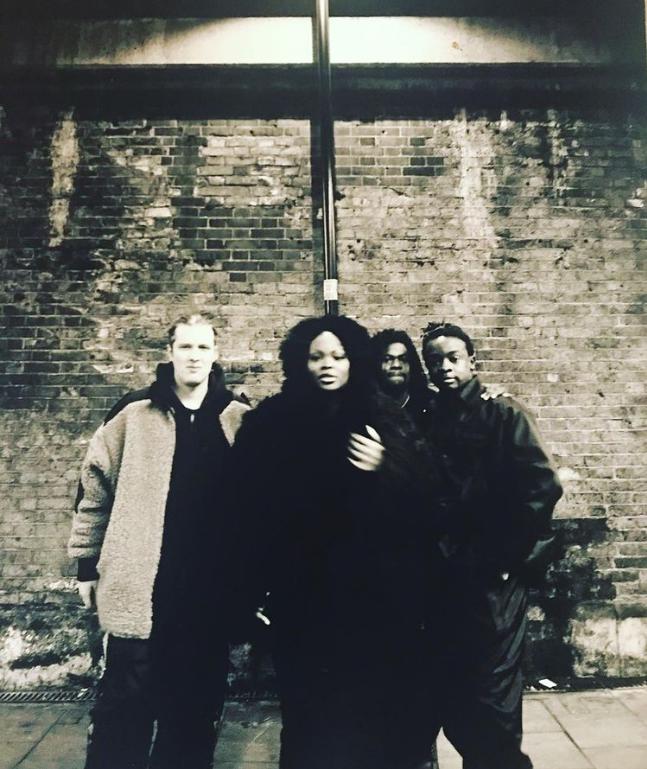
D-Influence’s Spotify BioD-Influence is Vocalist Sarah Anne Webb, guitarist, drum programmer & keyboardist Ed Baden- Powell, Keyboardist / MC Kwame Kwaten and saxophonist percussion flute and keys man Steve Marston
The first solo release was "I'm the One" This led to a deal with Acid Jazz records then to a major deal with Atlantic Records. Their 1st album "Good 4 We", released the single "Good Lover" to rave reviews in 1992. They opened for Prince, Naughty by Nature, James Brown and Michael Jackson. They released 2 more albums "Prayer for Unity" 1995, and "London" 1997.
The band signed & produced on Shola Ama's hit "You Might Need Somebody" Other production credits include Mick Jagger of The Rolling Stones, Seal, Jay-Z, Tom Jones (Reload), Mark Morrisson, Beverley Knight, Changing Faces, Daryl Hall of Hall & Oates, Diana Ross and Eric Benet to name a few.
Ed Baden Powell became a lawyer at Simpsons taking care of the London Olympics and huge music clients across the world. Steve went on to live in South… America, but tragically lost a battle with cancer in 2010. Sarah Webb continued recording and writing and has released studio tracks on Giles Peterson's Brownswood label. Kwame went on to found the Urban Music Seminar & co-found Ultimate Seminar with Nicky Charles and Andrea Euell. He then became an artist manager at Ferocious Talent management winning Artiste Manager of the Year in 2014 and becoming Vice-Chair of the MMF in 2018.
D-influence reformed in 2016 for Live shows and festivals!
Viberate is a music analytics platform built for A&Rs, artist managers, labels, booking agents, marketers, and artists.
It helps music professionals track artist growth, analyze audience data, monitor playlist activity, compare artists, follow song performance, and identify opportunities across the music market.
Public artist pages provide a free preview of selected artist data. Paid plans provide access to deeper analytics, historical data, charts, comparisons, playlist tools, exports, alerts, reports, and additional professional features.
Yes. Public Viberate artist pages provide selected artist analytics and music data for free.
Viberate also offers a 7-day free trial of the full platform. A credit card is required to start the trial. The trial includes access to the complete product so users can test deeper artist analytics, historical views, playlist insights, comparisons, charts, exports, alerts, and reporting features before choosing a paid plan.
Viberate provides artist analytics across streaming, playlists, social media, video, radio airplay, songs, and audience markets.
Users can analyze Spotify performance, Spotify and Apple Music playlists, YouTube activity, TikTok and Instagram growth, radio spins, song performance, audience locations, demographics, rankings, and overall artist momentum.
Artist profiles also connect to music charts, similar artists, and comparison tools, helping users benchmark performance and evaluate artists in context.
Viberate updates key artist and track data daily.
For followed artists and tracks, selected data is refreshed multiple times per day. This helps teams monitor playlist changes, streaming movement, audience growth, releases, and campaign performance with more current data.
Update frequency can vary depending on the metric and data source.
Yes. Viberate lets users compare up to five artists side by side across streaming, social media, audience, and engagement metrics.
Users can compare fanbase growth, audience demographics, locations, Spotify performance, social metrics, and other artist data over selected time periods.
Artist comparison can be used for A&R scouting, benchmarking, booking decisions, campaign planning, and evaluating artists with similar audiences or market positions.