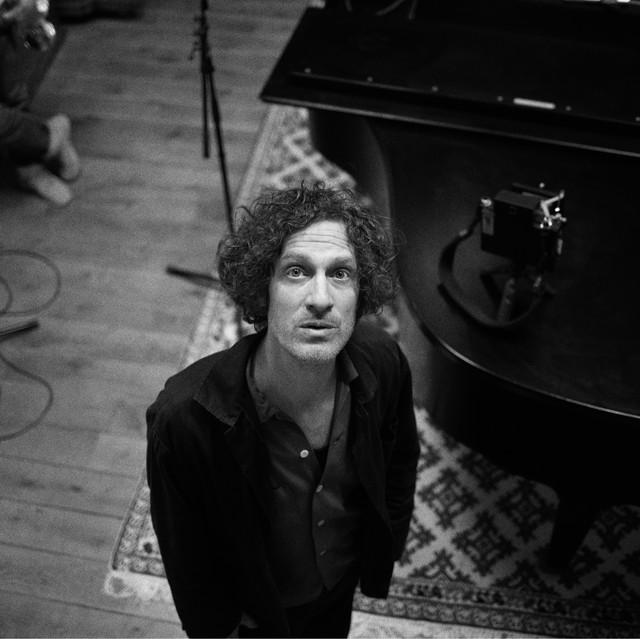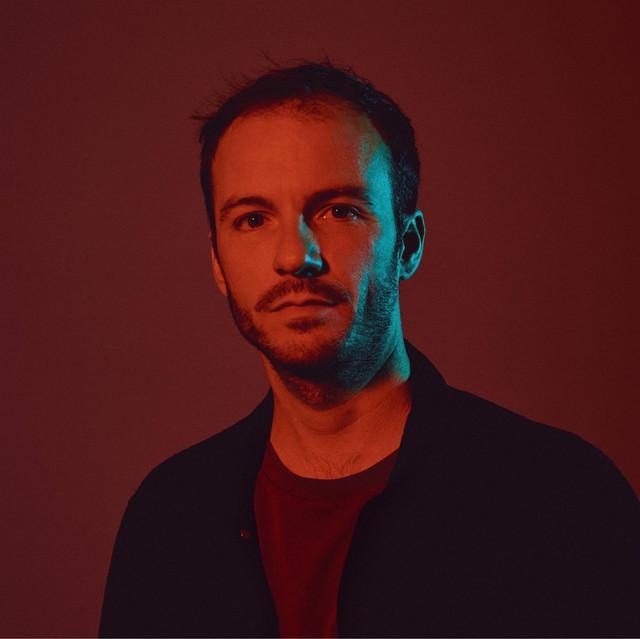
Cyril Mokaiesh

Rock
Alternative Rock
French Folk
 Viberate Rank: 157976
 Viberate Rank: 157976
 Monthly ListenersFollowers
 Subscribers
 Followers
 Followers
 FansTop Spotify Songs
| Track | 7-Day Streams | |
|---|---|---|
1 | 1.07K | |
2 | 749 | |
3 | 381 | |
4 | 298 | |
5 | 210 |
Top YouTube VideosMonthly ListenersFeatured in Playlists| Playlist | Followers | |
|---|---|---|
1 | Chansons françaises - By Talk In French Frederic Bibard | 7.03K |
2 |  french music Christian Marty | 6.63K |
3 | nova tunes 1 jars_ki | 5.01K |
4 |  France Inter - L'intégrale de la playlist de grève 2015 remiplr | 3.87K |
5 |  French alternative sound Sylvain Bring's | 3.27K |
Audience| City | Monthly Listeners | |
|---|---|---|
1 | | 488 |
2 | | 170 |
3 | | 143 |
4 |  | 76 |
5 | | 75 |
See full performance history, audience data, playlist activity, rankings, comparisons, and more in Viberate music analytics. Start with a free trial, then continue with a paid plan.
Cyril Mokaiesh’s Spotify BioCyril Mokaiesh est né à Paris, d’un père libanais et d’une mère française.
A 22 ans, il forme son premier groupe de rock et publie un album éponyme en 2008. Puis il choisit de poursuivre l’aventure en solo. En 2010, il change de registre musical pour son single Communiste, et s’inspire de chanteurs français tels que Léo Ferré.
En 2014, son deuxième album, De l’amour qui s’invente, reçoit le coup de coeur de l’Académie Charles-Cros. Après l’album Naufragés (2015), il revient dans les bacs en janvier 2017, avec l’album Clôture qui comporte un duo avec Bernard Lavilliers, La loi du marché.
Pour son 4ème album il revient avec "Paris-Beyrouth". Ecrit, composé et produit entre la France et le Liban, dont il est originaire, ce nouvel album est une rencontre entre l’Orient et l’Occident, l’électro et les instruments traditionnels.
Son 5ème album "Dyade" sorti en 2021 est un album de duos. Écrit et composé en grande partie pendant le 1er confinement - période qui a été pour lui plutôt propice à la… création ; "Dyade" fait suite à "Paris-Beyrouth". Après ce voyage introspectif et solitaire, Cyril Mokaiesh décide cette fois-ci de s’entourer d’artistes qu’il admire, d’alliés pour l’épauler, le soutenir dans un nouveau combat. Celui du jour d’après. "Dyade" mêle générations et influences, avec des invités aussi prestigieux que singuliers. On saura nommer Calogero, Alma Forrer, Élodie Frégé, ou encore Florent Marchet, Dominique A et L (Raphaële Lannadère).
Viberate is a music analytics platform built for A&Rs, artist managers, labels, booking agents, marketers, and artists.
It helps music professionals track artist growth, analyze audience data, monitor playlist activity, compare artists, follow song performance, and identify opportunities across the music market.
Public artist pages provide a free preview of selected artist data. Paid plans provide access to deeper analytics, historical data, charts, comparisons, playlist tools, exports, alerts, reports, and additional professional features.
Yes. Public Viberate artist pages provide selected artist analytics and music data for free.
Viberate also offers a 7-day free trial of the full platform. A credit card is required to start the trial. The trial includes access to the complete product so users can test deeper artist analytics, historical views, playlist insights, comparisons, charts, exports, alerts, and reporting features before choosing a paid plan.
Viberate provides artist analytics across streaming, playlists, social media, video, radio airplay, songs, and audience markets.
Users can analyze Spotify performance, Spotify and Apple Music playlists, YouTube activity, TikTok and Instagram growth, radio spins, song performance, audience locations, demographics, rankings, and overall artist momentum.
Artist profiles also connect to music charts, similar artists, and comparison tools, helping users benchmark performance and evaluate artists in context.
Viberate updates key artist and track data daily.
For followed artists and tracks, selected data is refreshed multiple times per day. This helps teams monitor playlist changes, streaming movement, audience growth, releases, and campaign performance with more current data.
Update frequency can vary depending on the metric and data source.
Yes. Viberate lets users compare up to five artists side by side across streaming, social media, audience, and engagement metrics.
Users can compare fanbase growth, audience demographics, locations, Spotify performance, social metrics, and other artist data over selected time periods.
Artist comparison can be used for A&R scouting, benchmarking, booking decisions, campaign planning, and evaluating artists with similar audiences or market positions.