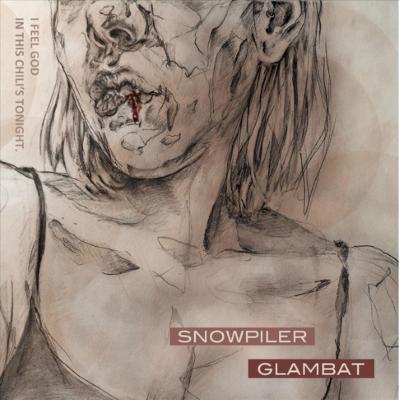
Curse League

Punk
Punk Rock
Math Rock
 Viberate Rank: 657191
 Viberate Rank: 657191
 Monthly ListenersFollowers
 Subscribers
 Followers
 Followers
 FansTop Spotify Songs
| Track | 7-Day Streams | |
|---|---|---|
1 | 33 | |
2 | 10 | |
3 | 8 | |
4 | 6 | |
5 | 5 |
Top YouTube VideosMonthly ListenersFeatured in Playlists| Playlist | Followers | |
|---|---|---|
1 |  The Sound of 5th Wave Emo The Sounds of Spotify | 9.01K |
2 |  The Anthology of 5th Wave Emo bea | 4.80K |
3 | Fifth Wave Emo JesseXGomez | 4.25K |
4 | Acoustic midwest emo Daniel dain | 2.37K |
5 |  evolution of emo courtney | 1.25K |
Audience| City | Monthly Listeners | |
|---|---|---|
1 | | 9 |
2 | | 5 |
3 | | 4 |
4 | | 3 |
See full performance history, audience data, playlist activity, rankings, comparisons, and more in Viberate music analytics. Start with a free trial, then continue with a paid plan.
Curse League’s Spotify BioCurse League has powered through a decade of DIY music. Ten tours. Three vans. Three records. Three practice spaces. Two bassists. A pandemic lockdown.
Kai Brunson, Jake Campbell, and Blake Ross grew up just outside Seattle, bonding over skateboarding, soccer, and going to punk shows. Today, they balance their musical passions with careers in education, working and teaching in high schools.
The band’s journey began in 2014 in the garage of Kai’s childhood home. After the disbandment of their high school band, Sibling Rivalry, Kai and Jake were eager to play music again. Kai recruited Chester Cun from their previous indie surf pop band, Wild Wants, and their initial lineup was complete. With only a few hours of practice and no finished songs, the 3 piece booked their first gig at a house show in the U-District. Their debut record, Bodega Disco, was recorded overnight at UW Odegaard Library and released in 2016.
Alexandria Hickel joined on bass, and after a couple of years of touring and… writing, they released Laying by the Fire in Good Company in 2018. As Alex and Blake switched roles on bass, Curse League continued to perform locally and tour. Following a pandemic hiatus, they reunited with Dylan Wall to record their latest album (“Nothing Left but Scraps”) which is set to release this year.
Viberate is a music analytics platform built for A&Rs, artist managers, labels, booking agents, marketers, and artists.
It helps music professionals track artist growth, analyze audience data, monitor playlist activity, compare artists, follow song performance, and identify opportunities across the music market.
Public artist pages provide a free preview of selected artist data. Paid plans provide access to deeper analytics, historical data, charts, comparisons, playlist tools, exports, alerts, reports, and additional professional features.
Yes. Public Viberate artist pages provide selected artist analytics and music data for free.
Viberate also offers a 7-day free trial of the full platform. A credit card is required to start the trial. The trial includes access to the complete product so users can test deeper artist analytics, historical views, playlist insights, comparisons, charts, exports, alerts, and reporting features before choosing a paid plan.
Viberate provides artist analytics across streaming, playlists, social media, video, radio airplay, songs, and audience markets.
Users can analyze Spotify performance, Spotify and Apple Music playlists, YouTube activity, TikTok and Instagram growth, radio spins, song performance, audience locations, demographics, rankings, and overall artist momentum.
Artist profiles also connect to music charts, similar artists, and comparison tools, helping users benchmark performance and evaluate artists in context.
Viberate updates key artist and track data daily.
For followed artists and tracks, selected data is refreshed multiple times per day. This helps teams monitor playlist changes, streaming movement, audience growth, releases, and campaign performance with more current data.
Update frequency can vary depending on the metric and data source.
Yes. Viberate lets users compare up to five artists side by side across streaming, social media, audience, and engagement metrics.
Users can compare fanbase growth, audience demographics, locations, Spotify performance, social metrics, and other artist data over selected time periods.
Artist comparison can be used for A&R scouting, benchmarking, booking decisions, campaign planning, and evaluating artists with similar audiences or market positions.